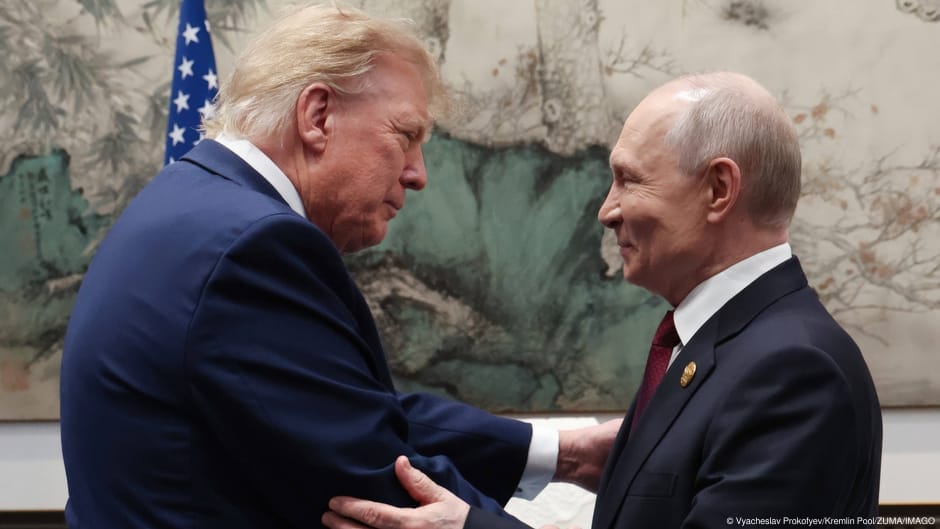
Trump’s Ukraine Deadline Collides With a Looming Shift in Congress
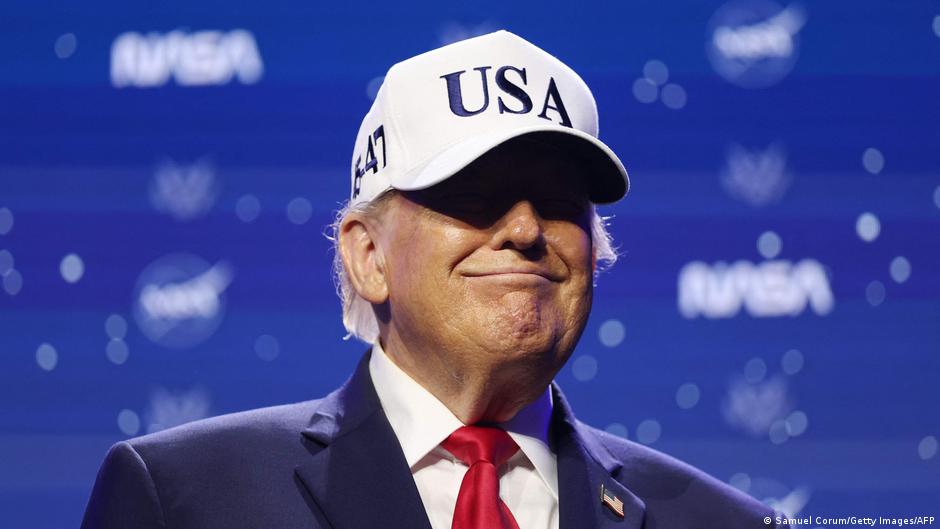
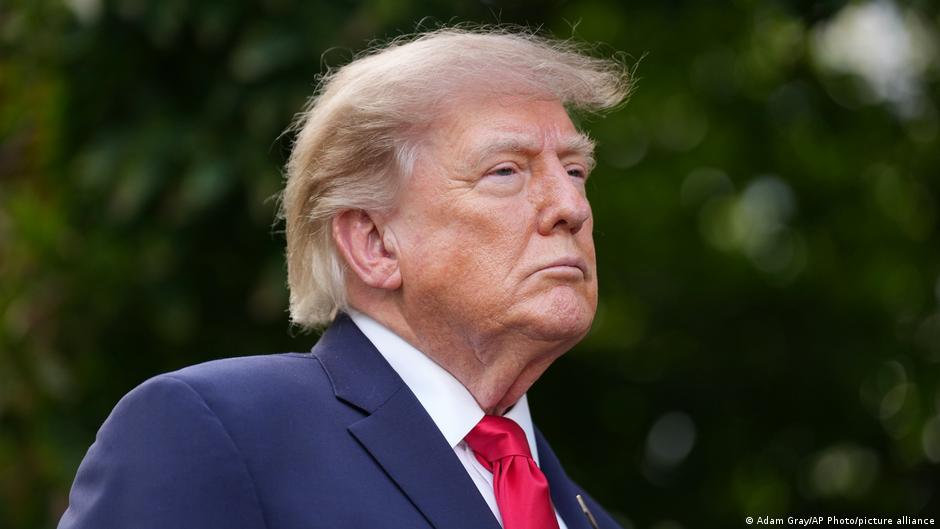
Trump is reportedly pressing for a Ukraine settlement before Democrats take Congress, creating an unequal timetable with lasting economic and security risks.

Trump is reportedly pressing for a Ukraine settlement before Democrats take Congress, creating an unequal timetable with lasting economic and security risks.

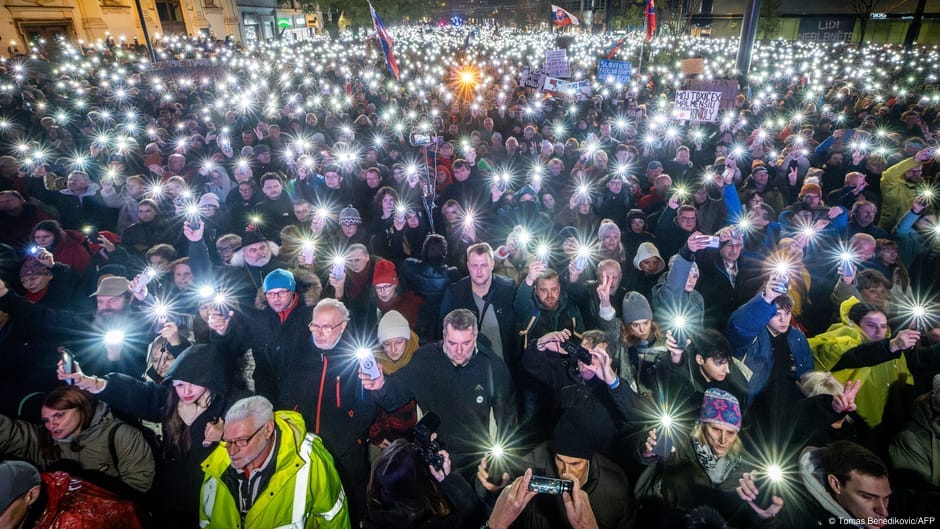
Mass protests against Robert Fico’s government reveal growing concern that political and institutional uncertainty could weaken Slovakia’s economic model.

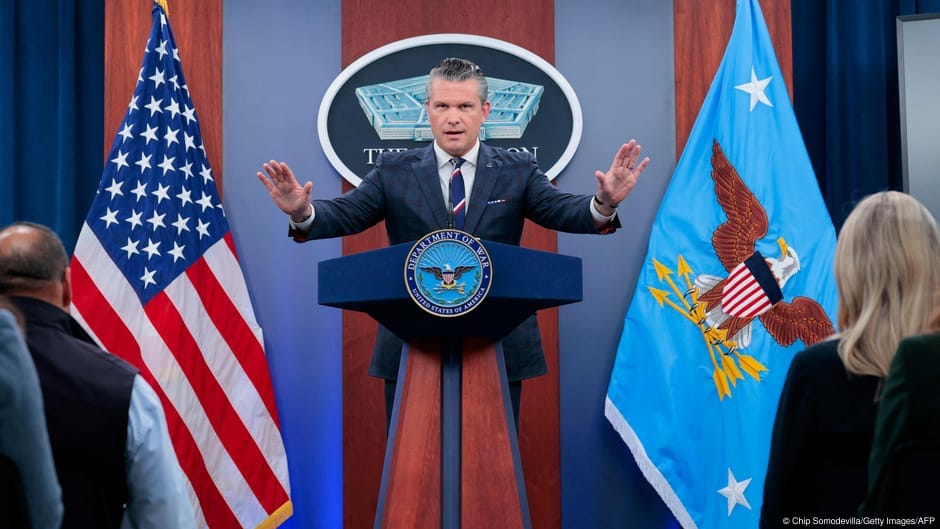
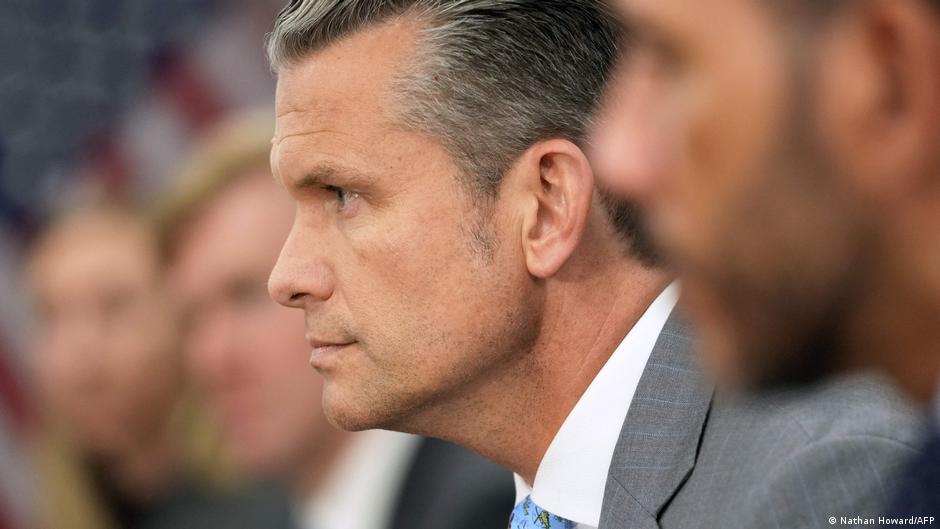
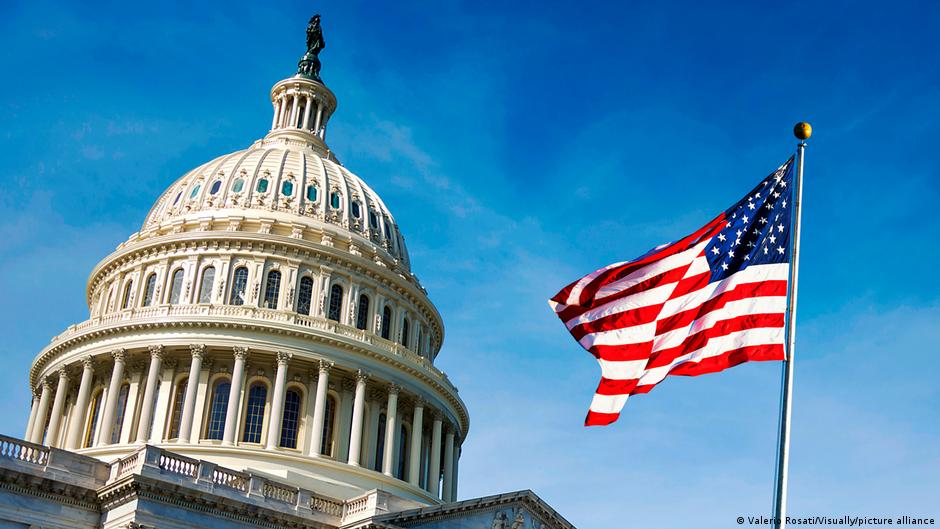
House Republicans have stalled Pete Hegseth’s impeachment, postponing a war-powers dispute until incoming Democratic majorities take office in January.

Thomas Massie’s impeachment resolution against Pete Hegseth turns the Iran war into a wider test of congressional authority, military spending and geopolitical risk.

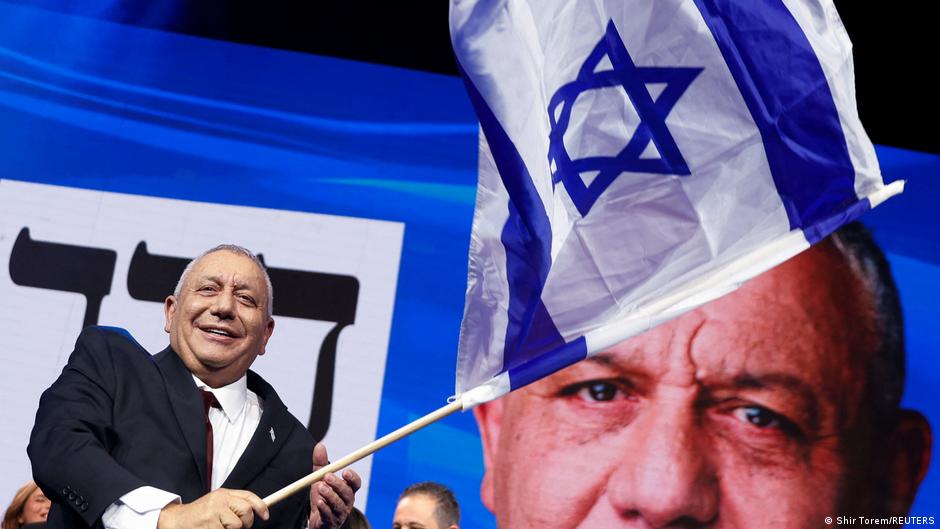
Gadi Eisenkot has 28 days to build a coalition, with Arab parties holding the balance amid political fragmentation and economic uncertainty.

Trump accepted the Democratic midterm victory but ordered a probe of party members, setting up a confrontation with economic and institutional consequences.

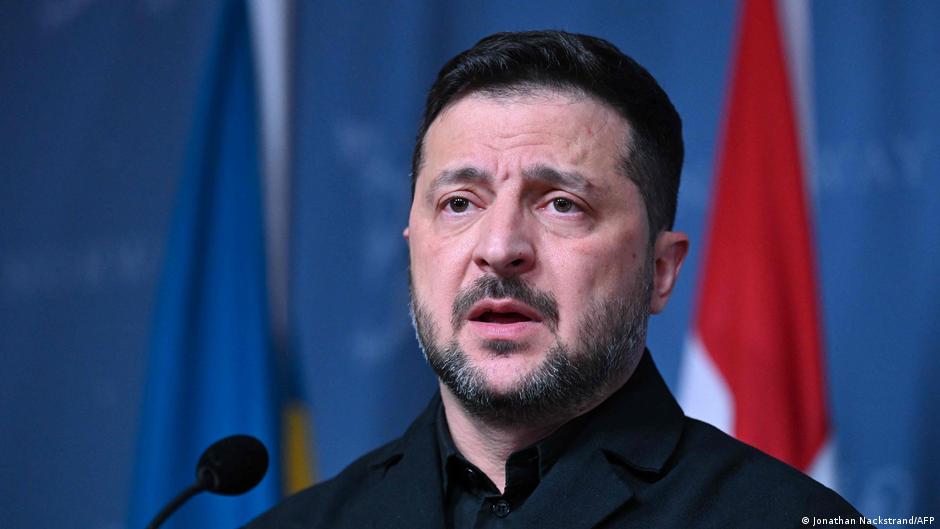
Zelensky expects Democratic control of Congress to expand US military and financial support for Ukraine and reinforce transatlantic coordination.

Two Russian fuel tankers have abandoned US-bound routes as sanctions and buyer caution undermine Trump’s effort to reduce soaring diesel prices.

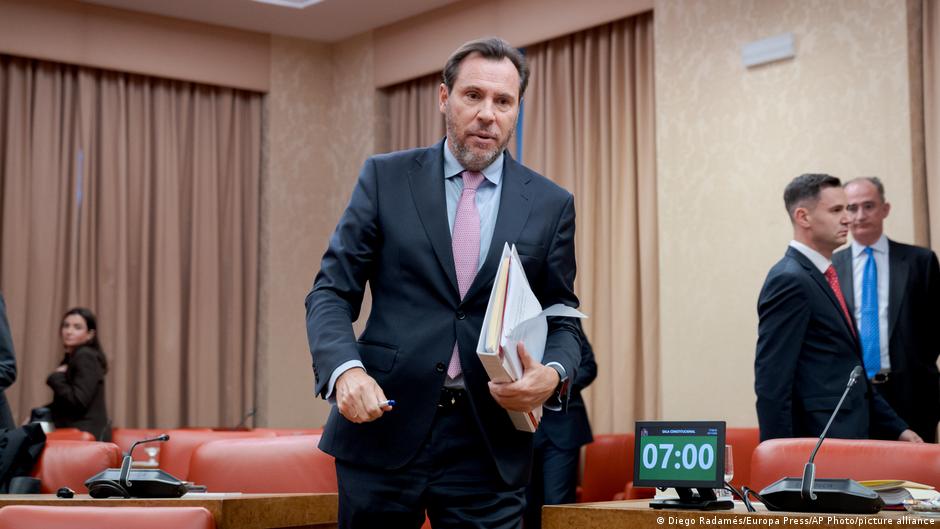
Óscar Puente resigned after the Toledo rail crash killed 69 people, deepening scrutiny of Spain’s safety systems, infrastructure spending and political accountability.

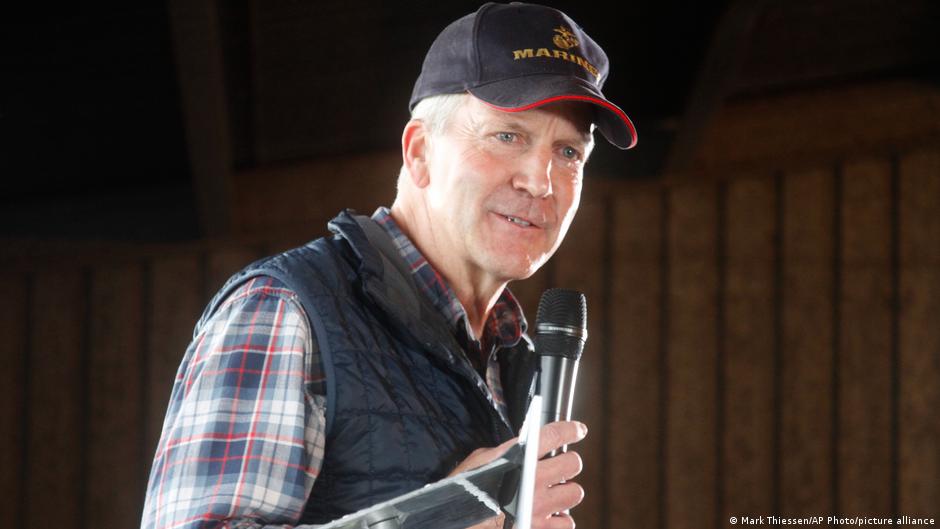
A federal judge rejected the Trump administration’s attempt to halt certification of Alaska’s pivotal Senate election over alleged voter confusion.

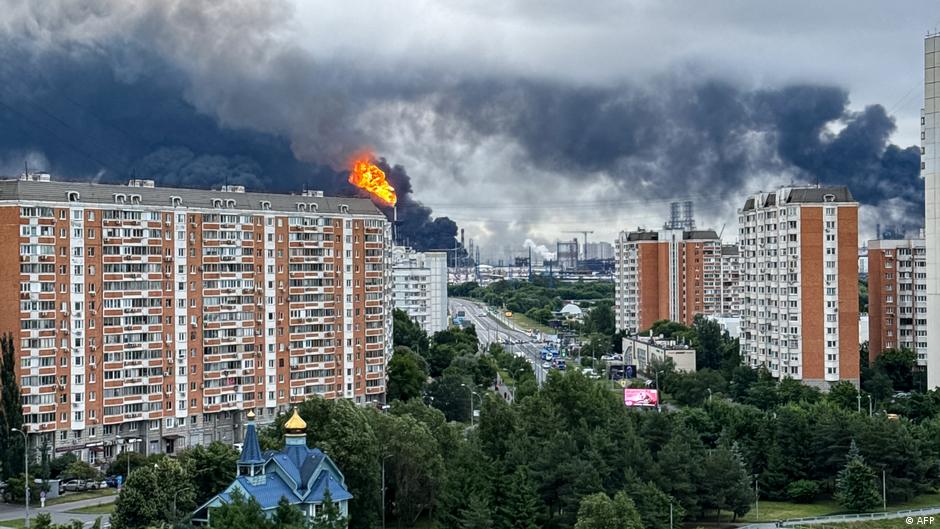
Ukraine’s reported refinery-strike pause shows how US election concerns, fuel prices and Kyiv’s reliance on American technology are reshaping wartime strategy.

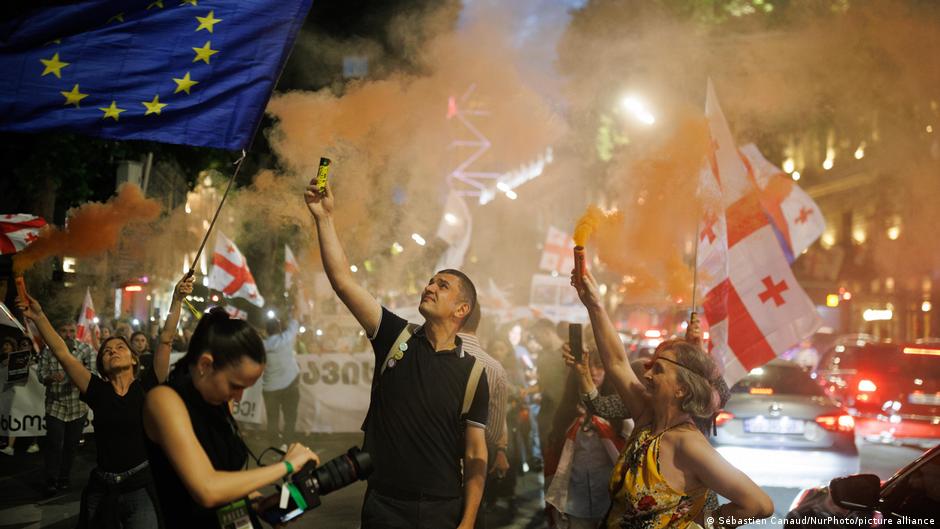
Georgia’s opposition has begun a new protest campaign as the Constitutional Court considers a case seeking to ban opposition parties.

EU leaders remain divided over a nearly €2 trillion seven-year budget as fiscal restraint, proposed bloc-wide levies and election risks complicate a compromise.

Reported U.S. pressure over Ukraine’s PURL weapons pipeline turns refinery strikes and an energy truce into a test of economic leverage.

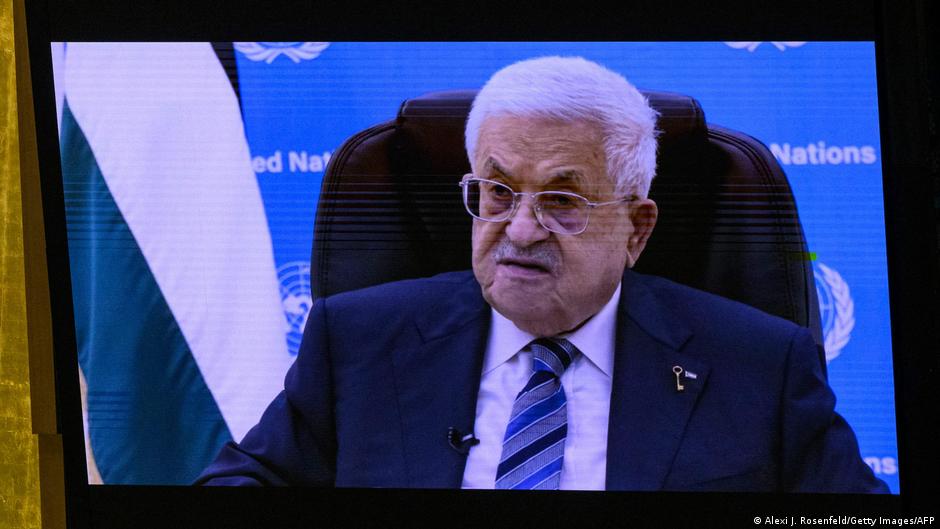
Palestinian elections have been delayed until September 2027, extending political uncertainty around Gaza’s governance and reconstruction.

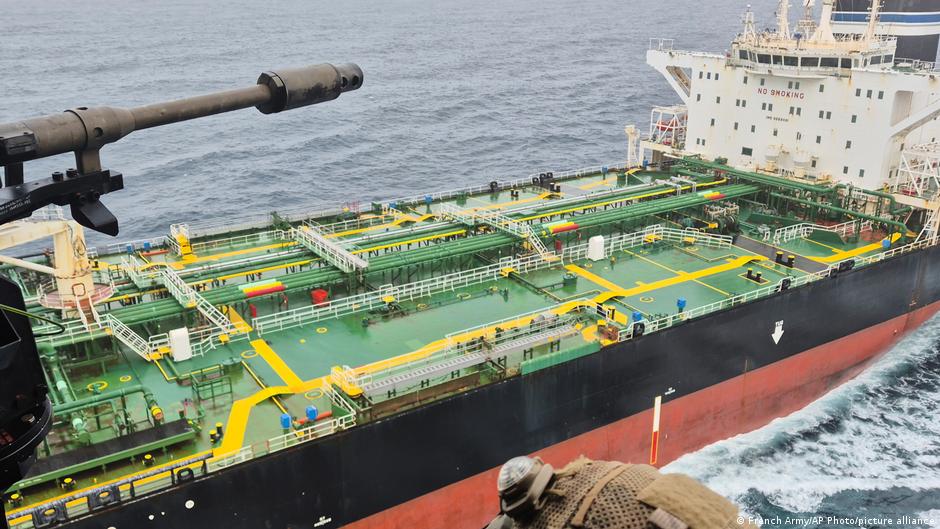
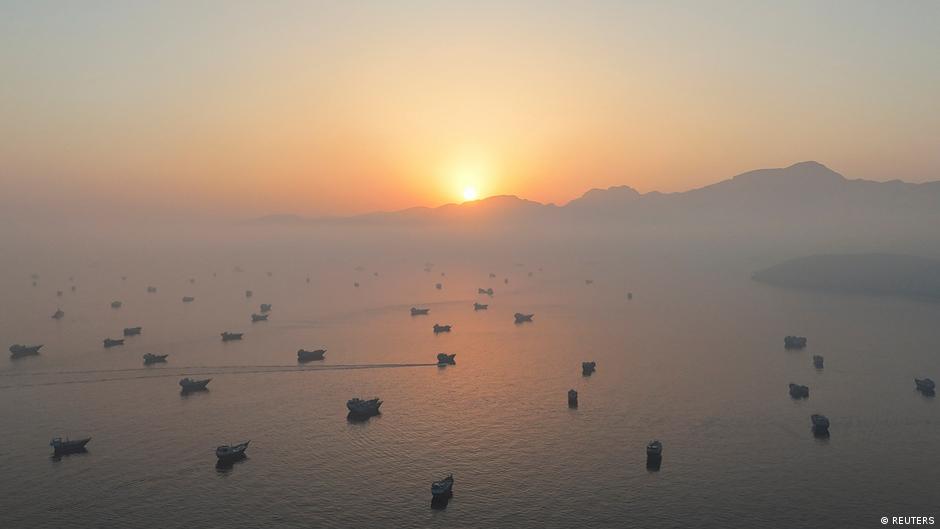
A U.S. strike disabled a Panama-flagged cargo ship near Iran, deepening Gulf trade risks as tanker attacks and fuel prices add economic pressure.

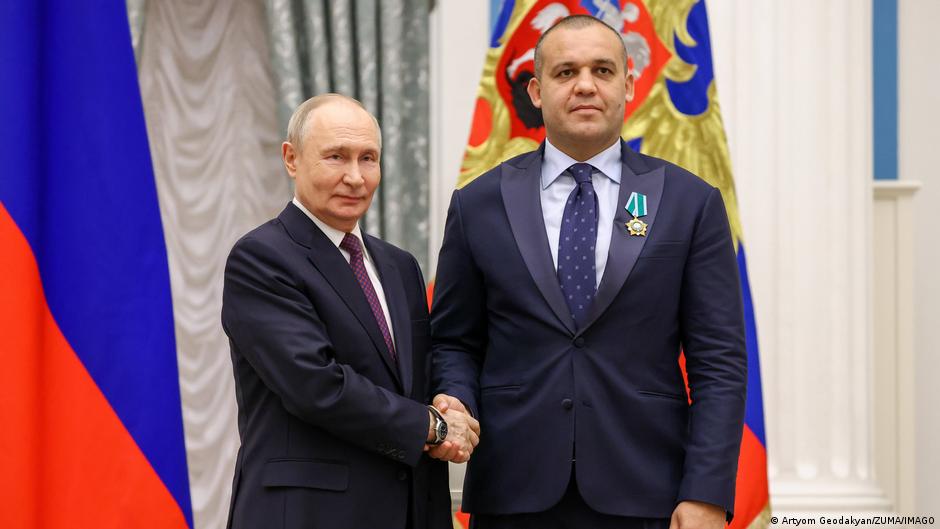
Umar Kremlev says Donald Trump Jr. repaid wedding-event costs, but the episode keeps scrutiny on political access and private finance.

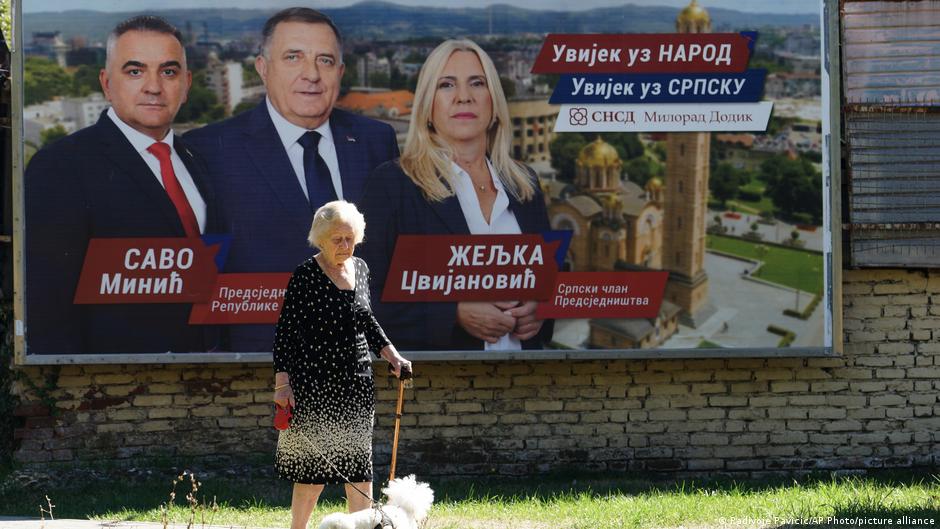
Ruling parties and Milorad Dodik’s allies prevailed in Bosnia’s elections, reinforcing continuity within the country’s fragmented Dayton system.

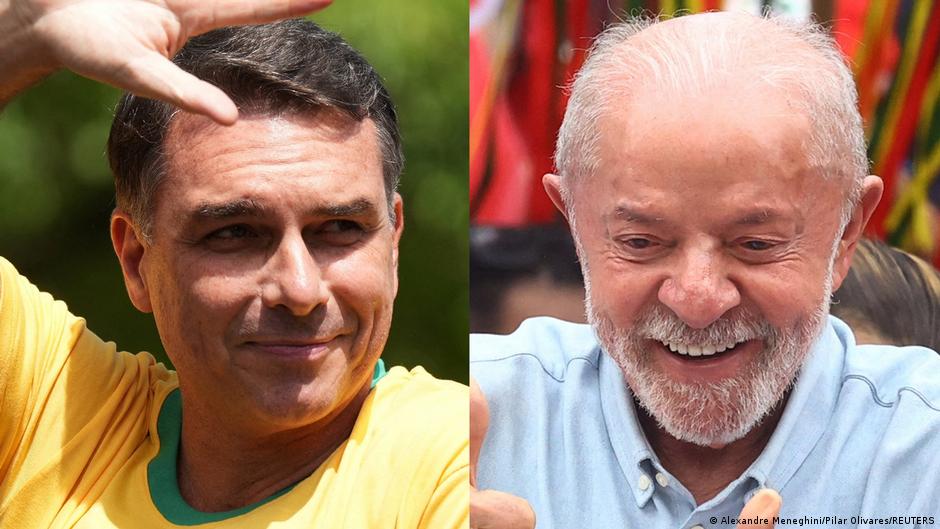
Brazil’s presidential race heads to an October 25 runoff after Flavio Bolsonaro led Lula da Silva in the first round with 47.03 percent.

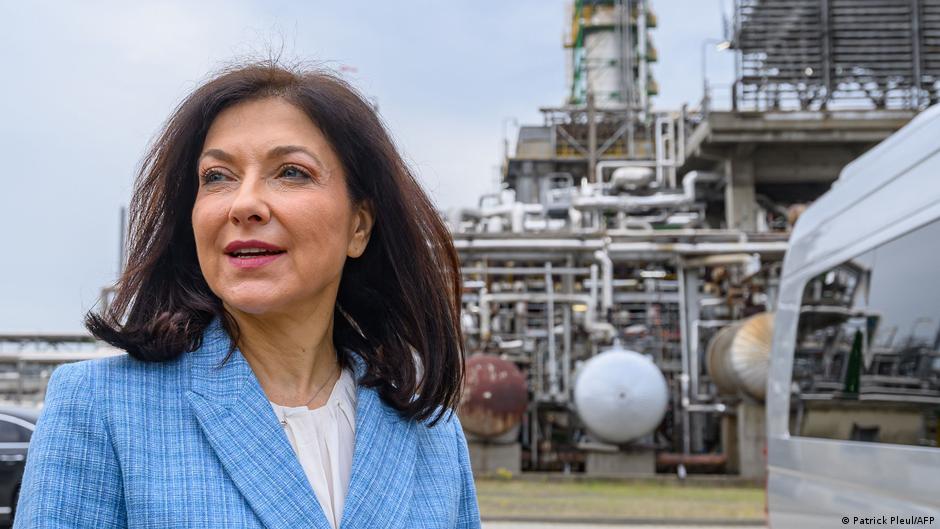
Katherina Reiche warned that the Left Party’s Berlin victory and expropriation plans could harm Germany’s investment climate.

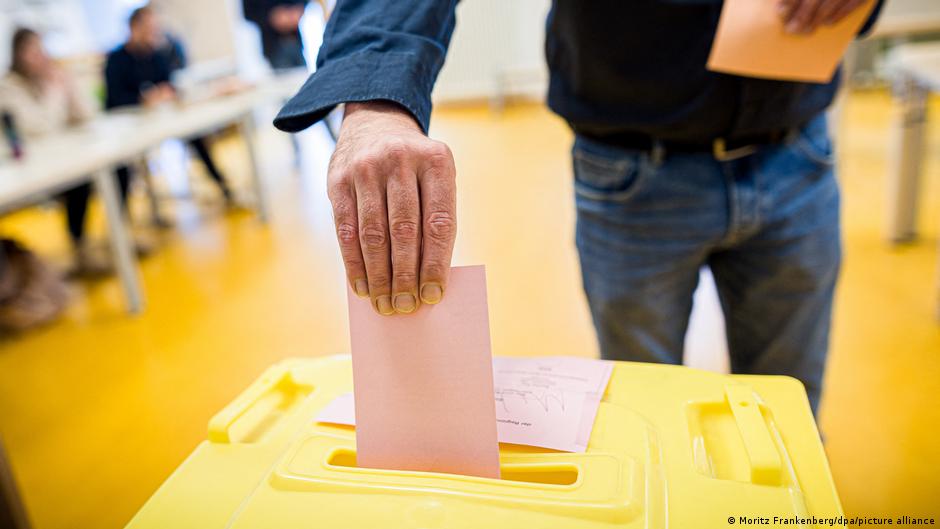
Lower Saxony’s runoffs strengthened Green urban leadership and showed the AfD’s difficulty converting first-round support into executive power.

Trump expects renewed Iran talks after rejecting Tehran’s Hormuz proposal, with sanctions, oil flows and nuclear demands shaping the standoff.

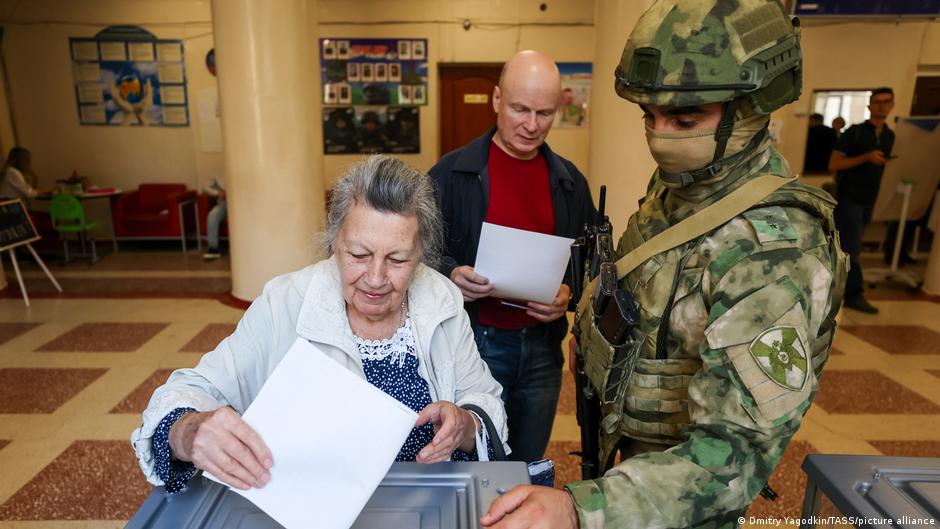
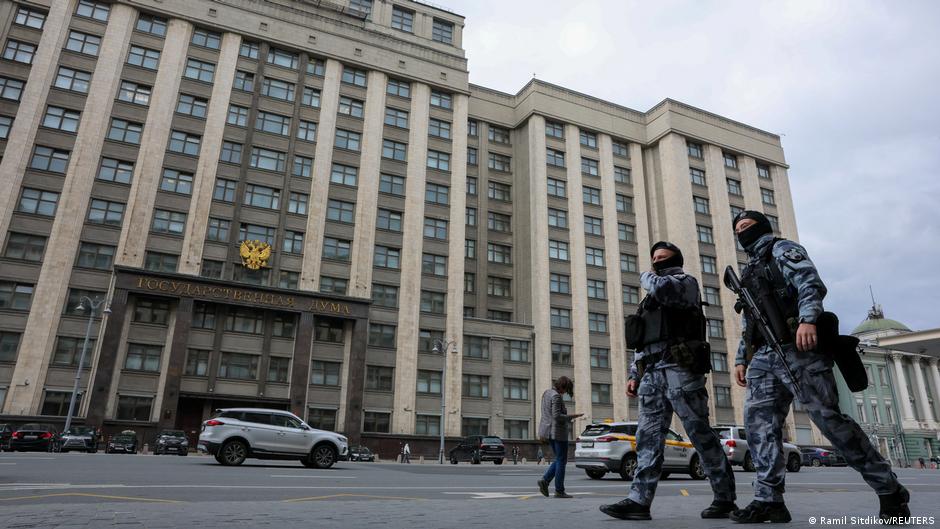
Kyiv sanctioned 44 people tied to Russia’s Duma vote in occupied Ukrainian regions, targeting Moscow’s effort to normalize control.

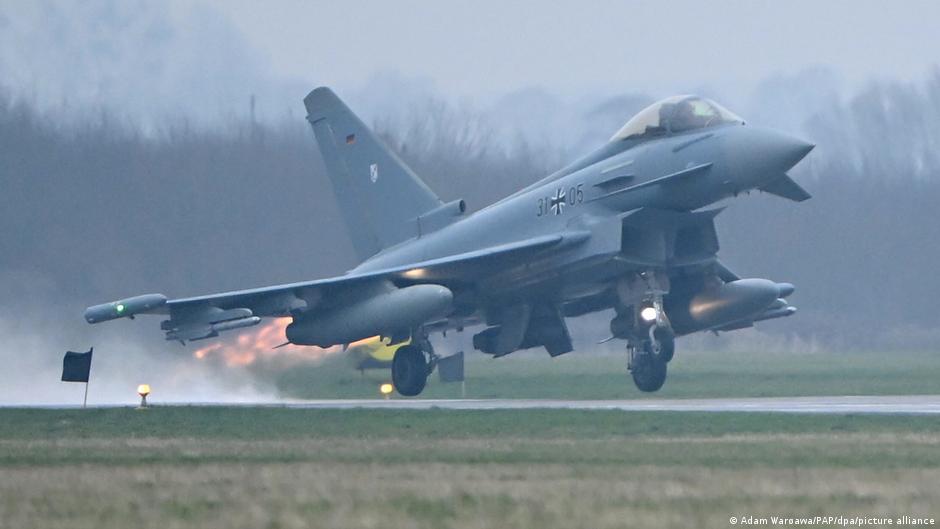
Germany’s Eurofighter deployment to Latvia shows how NATO air defense, election security and the economics of deterrence now overlap in the Baltics.

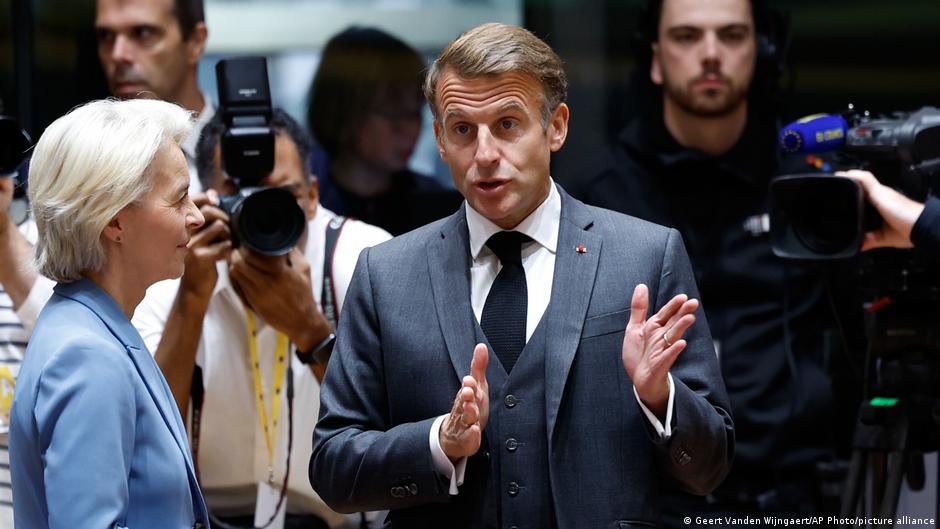
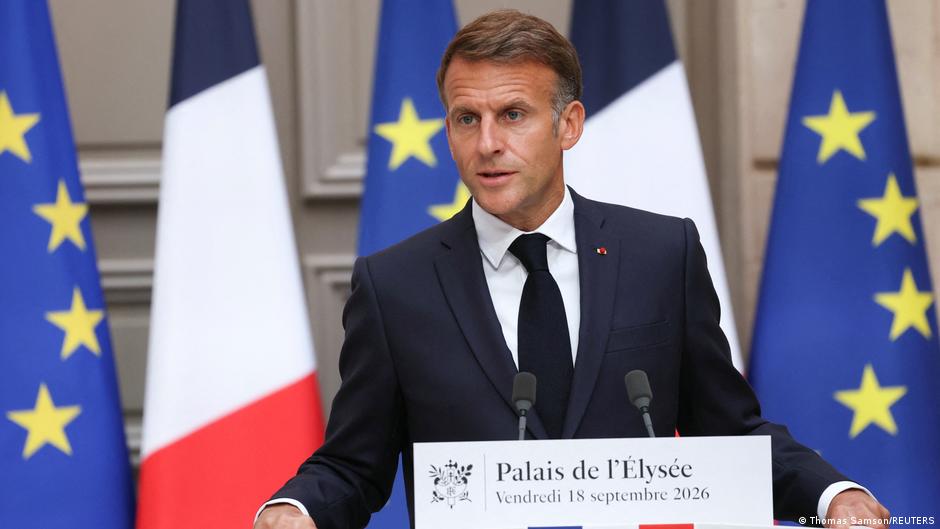
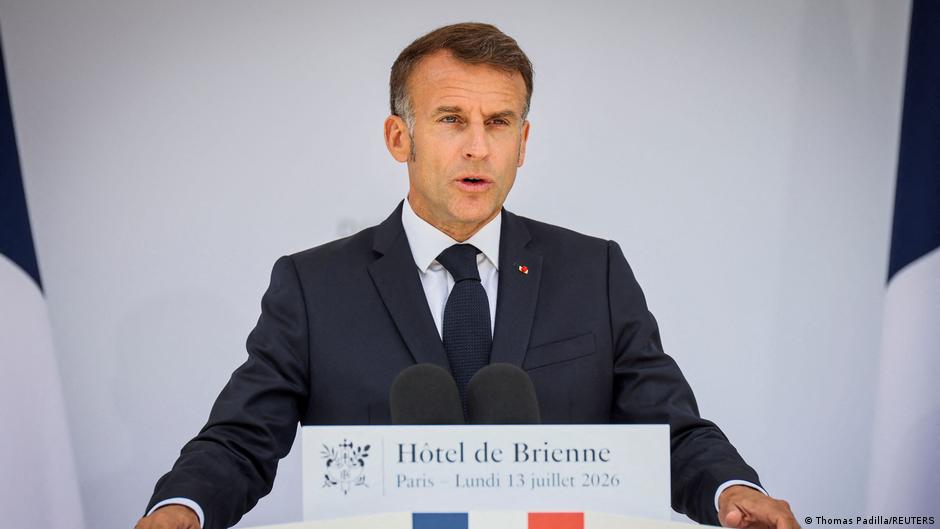
Macron says France sees a Russian mobilization of about 300,000 as credible and warns Europe may face wider hybrid attacks.

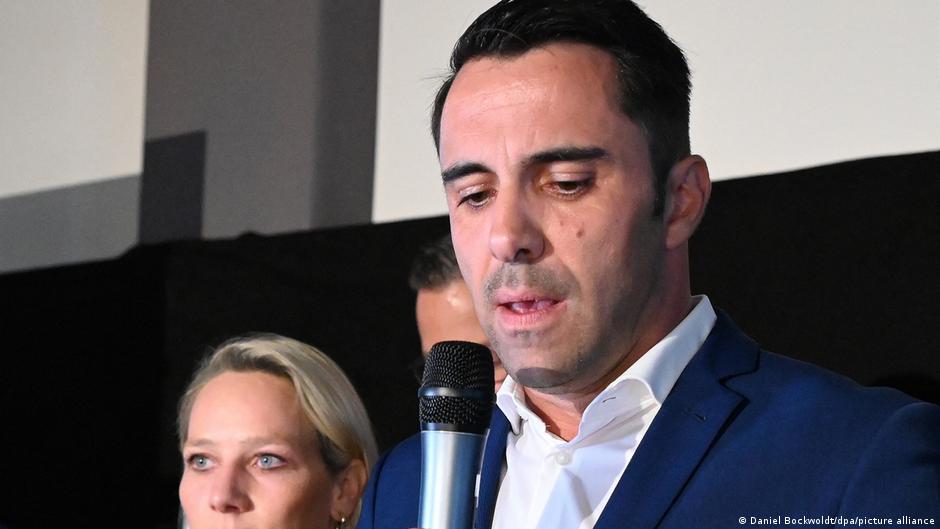
Daniel Peters resigned after the CDU won just 4.9% in Mecklenburg-Western Pomerania, missing a state parliament for the first time.

The Left Party’s Berlin victory puts housing expropriation, coalition arithmetic and fiscal risks at the center of the city’s next government.

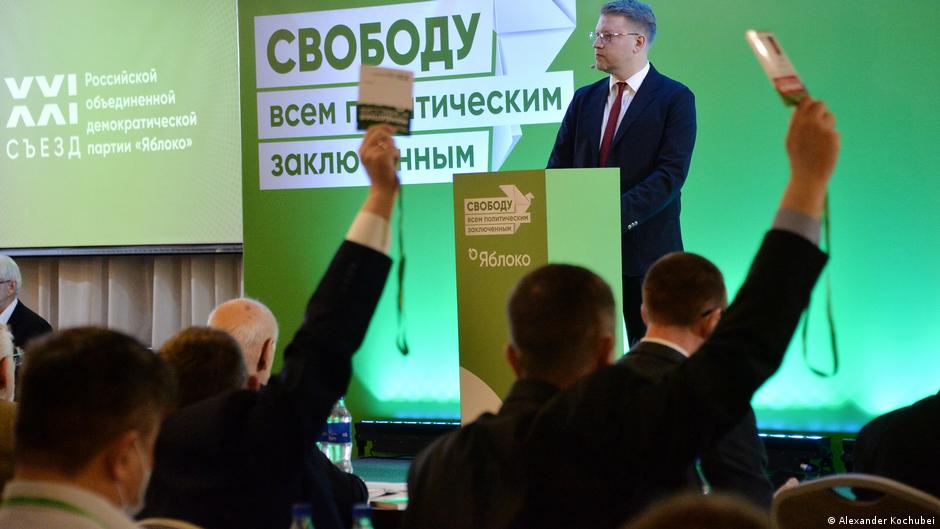
Yabloko’s projected Novgorod seat may preserve its ballot access for future State Duma races after federal exclusions and campaign restrictions.

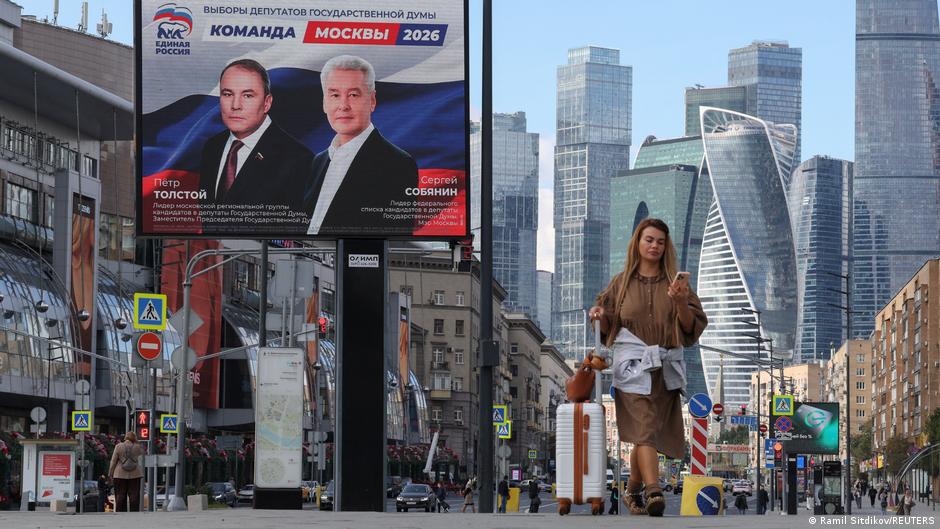
Partial results put United Russia on track for a State Duma constitutional majority, reinforcing Russia’s centralized wartime economic model.

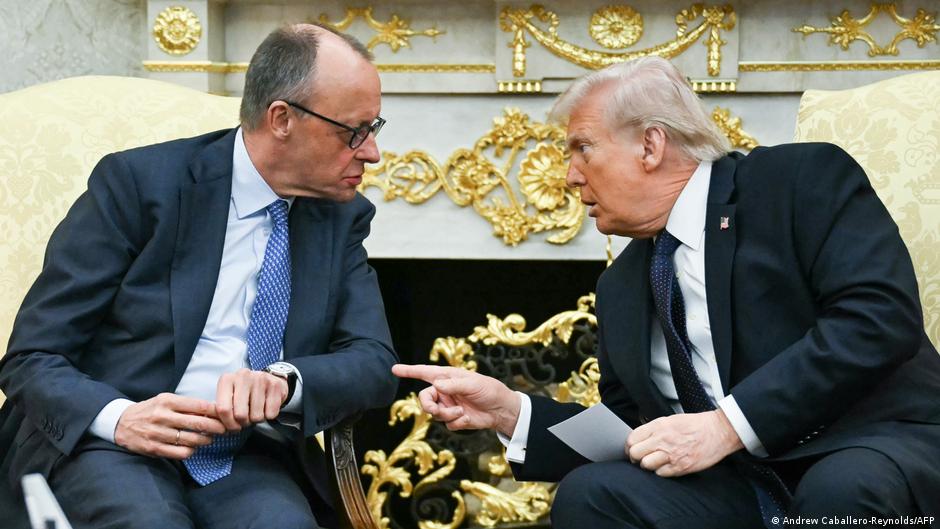
Merz says unconditional transatlantic friendship is over, framing U.S. tensions as a test of Germany’s security and economic model.

Russia began a three-day State Duma vote that includes occupied Ukrainian territories and excludes anti-war parties from the party-list race.

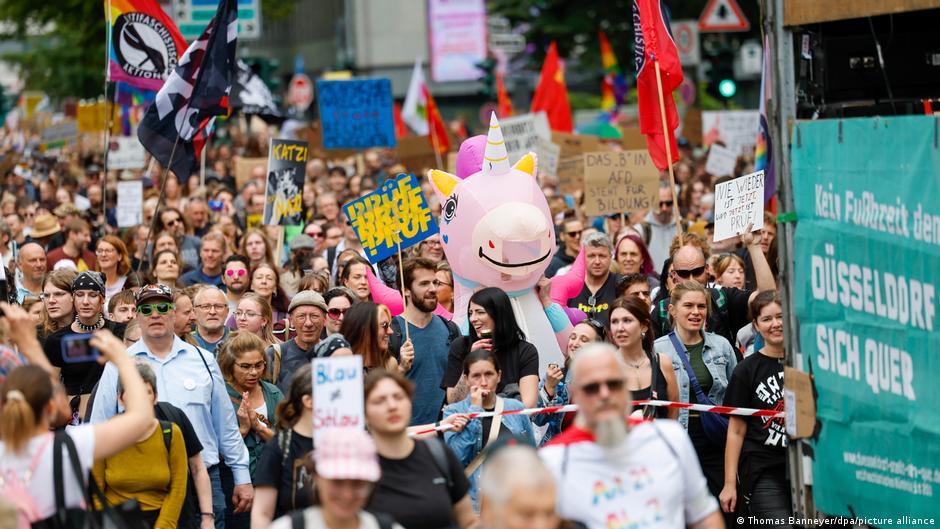
Mass protests across Germany against right-wing extremism show how the AfD debate is becoming an institutional and economic risk.

The Houthi capture of Mocha strengthens their position near Bab el-Mandeb, raising risks for oil flows and global energy prices.

Zelensky expects late-September talks with a US delegation on grain exports, energy security and the economic pressures shaping diplomacy.

Macron is asking Brussels to craft an EU-wide ban on social media for children under 15 after France’s national law was blocked.

AfD’s projected win in Saxony-Anhalt drew sharp reactions from Poland, France and the Czech Republic, exposing wider European economic and political strains.

AfD’s 43.8 percent win in Saxony-Anhalt leaves no clear governing majority and raises major questions over energy, sanctions and eastern Germany’s economy.

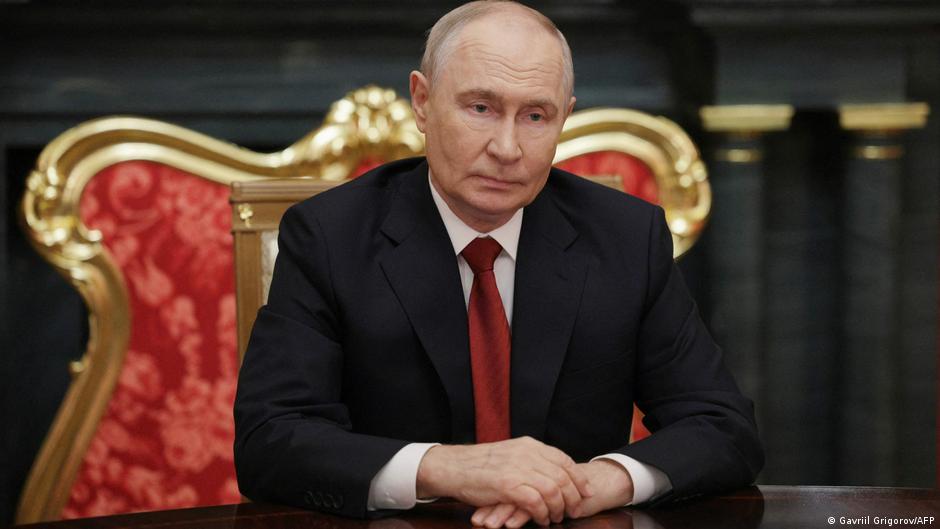
Putin’s support for using medically unfit volunteers in drone defense highlights Russia’s search for manpower while denying new mobilization.

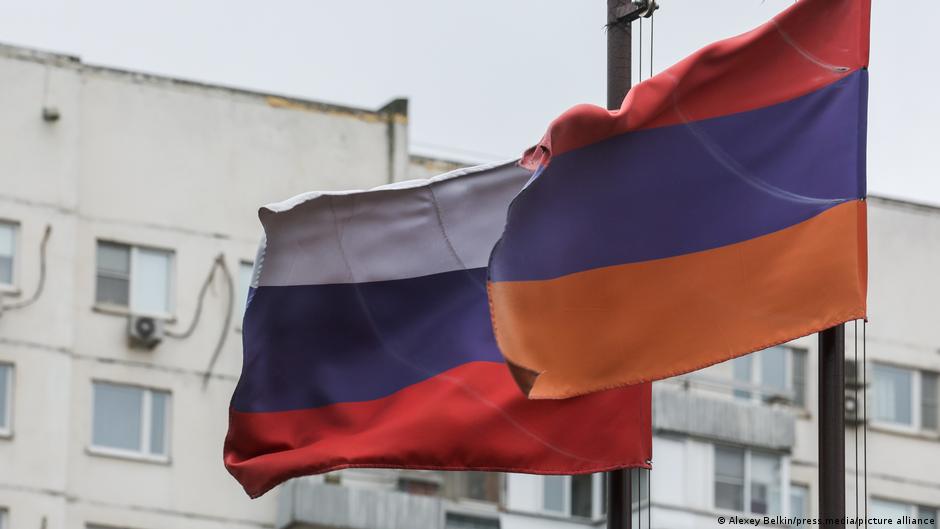
Putin says Armenia’s move toward EU membership would effectively mean quitting the EAEU, deepening a dispute over trade rules, integration and regional influence.

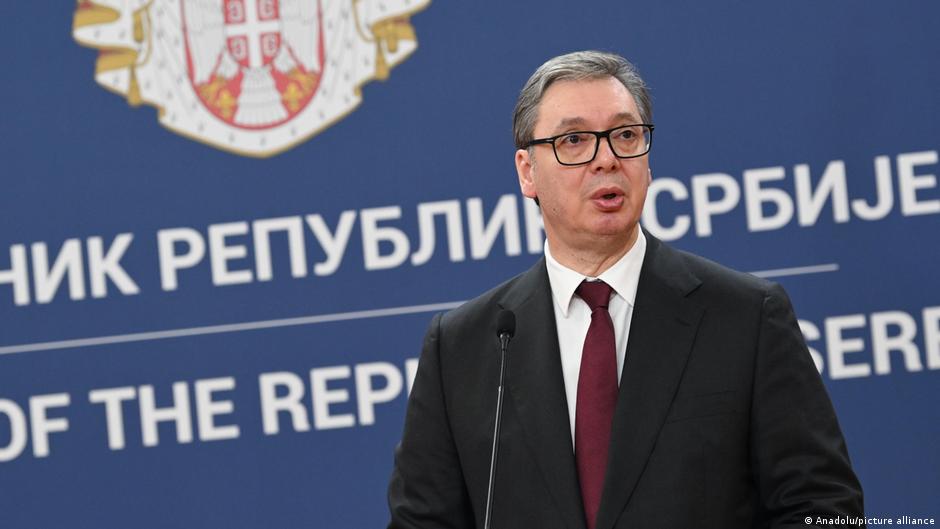
Serbia announces early parliamentary elections in October 2024 amid prolonged protests demanding anti-corruption reforms and political change.

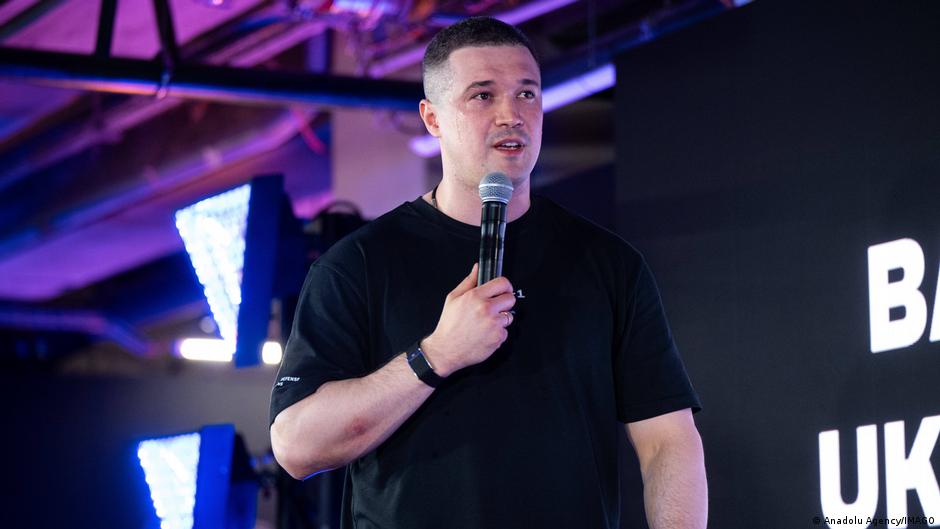
Former Ukrainian Defense Minister Mikhail Fedorov calls for legally secure elections during the ongoing war, emphasizing democracy must not be held hostage by conflict.

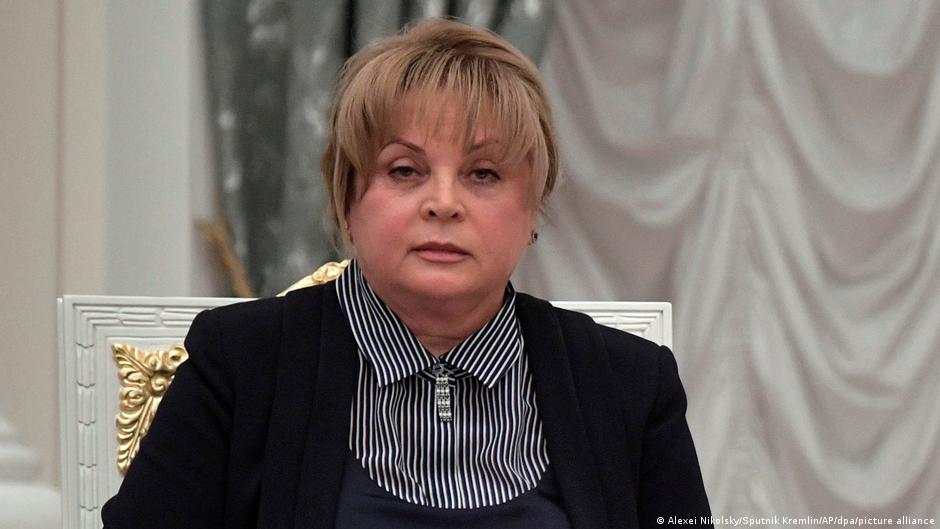
Russia's election head Ella Pamfilova advocates stripping voting rights from emigrants labeled as 'foreign agents,' highlighting tensions over diaspora engagement and electoral integrity.

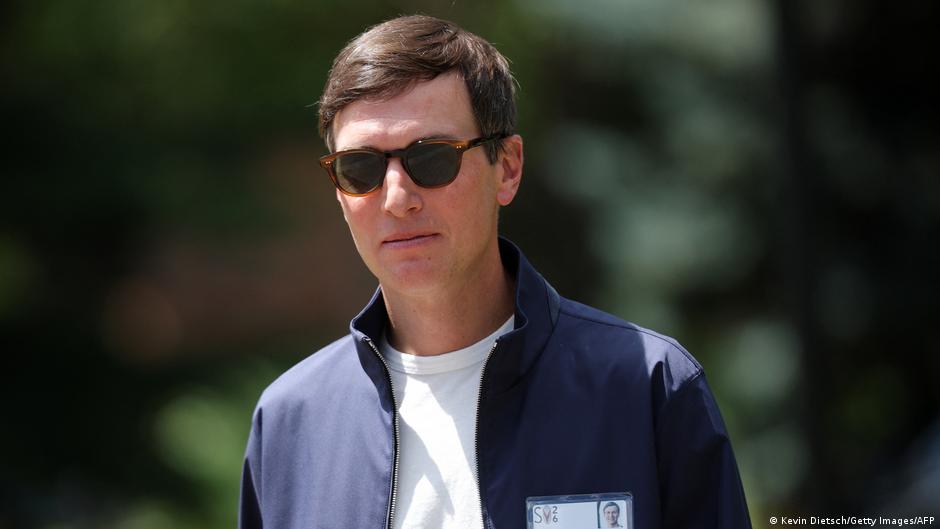
Jared Kushner’s talks with Hamas reveal the intricate challenges of disarmament and governance reforms essential for Gaza's fragile peace prospects.

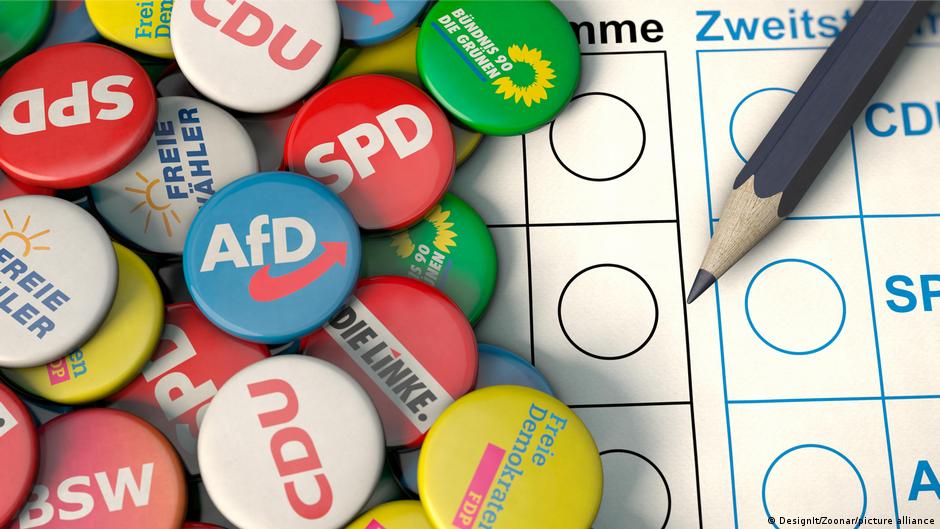
Germany’s CDU/CSU support falls to 20%, with far-right AfD leading polls ahead of key state elections, reflecting volatile voter behavior and shifting political allegiances.

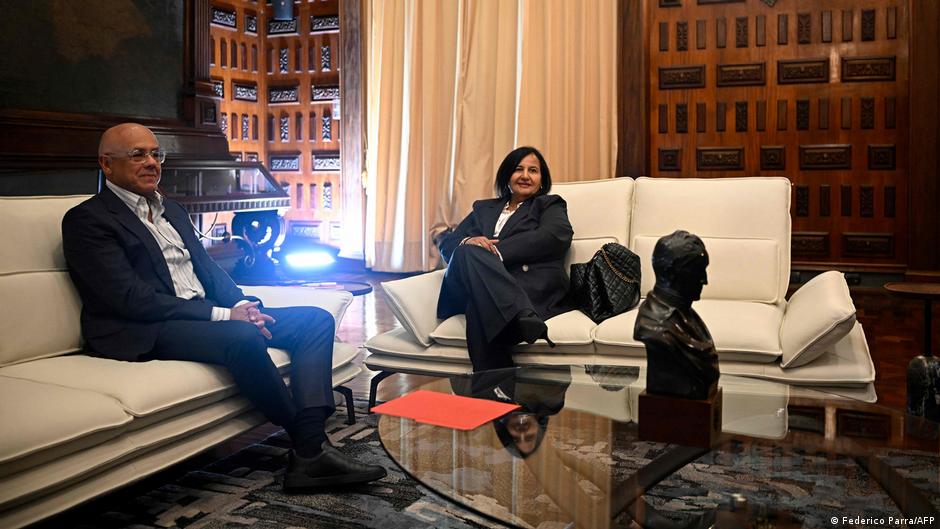
Venezuela’s government and opposition will engage in direct talks in Caracas to discuss earthquake aid and electoral reforms amid economic and political crises.

Russian-linked bot networks have intensified disinformation efforts targeting German regional elections, spreading fake media to sway voter opinions in eastern states.

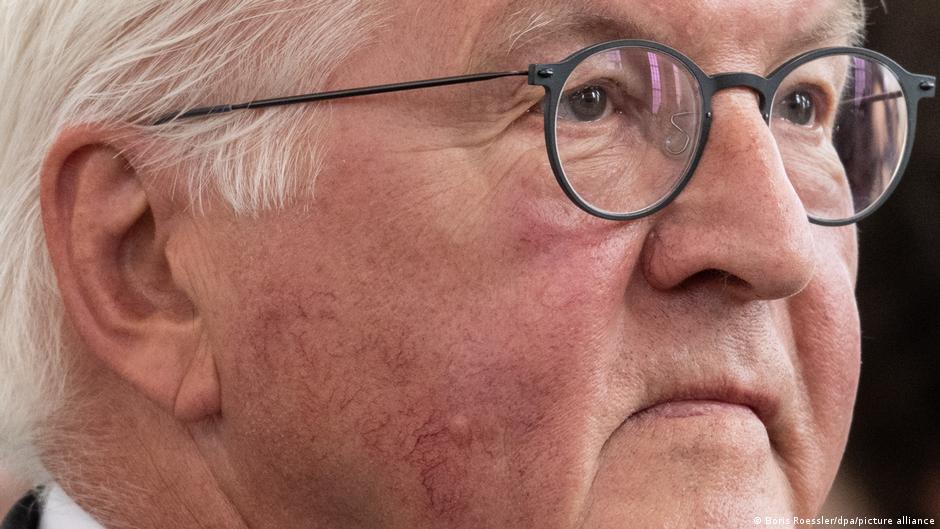
German President Steinmeier urges Europe to resist lawless great power tactics, emphasizing the need for international order, economic reform, and confronting rising far-right extremism.

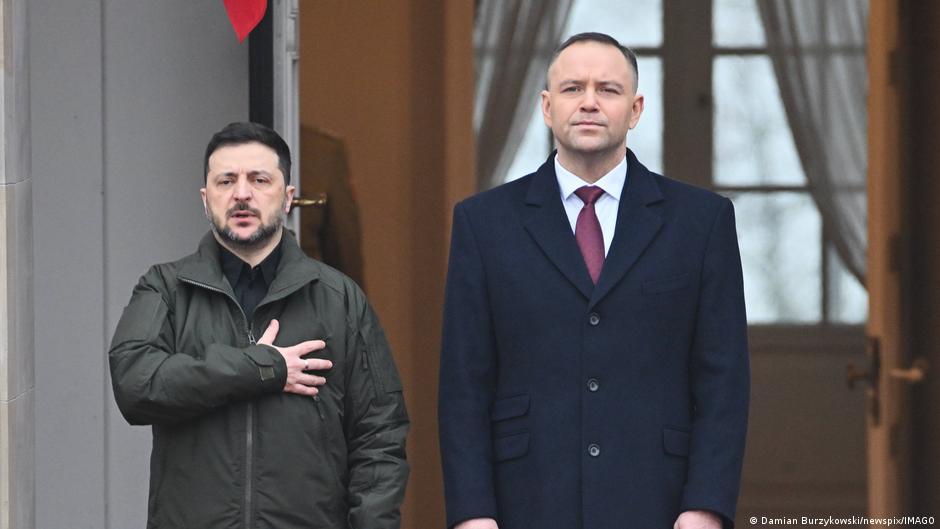
President Zelensky proposes a Ukrainian National Pantheon and a European Order amid diplomatic tensions with Poland linked to historical memory and EU accession challenges.

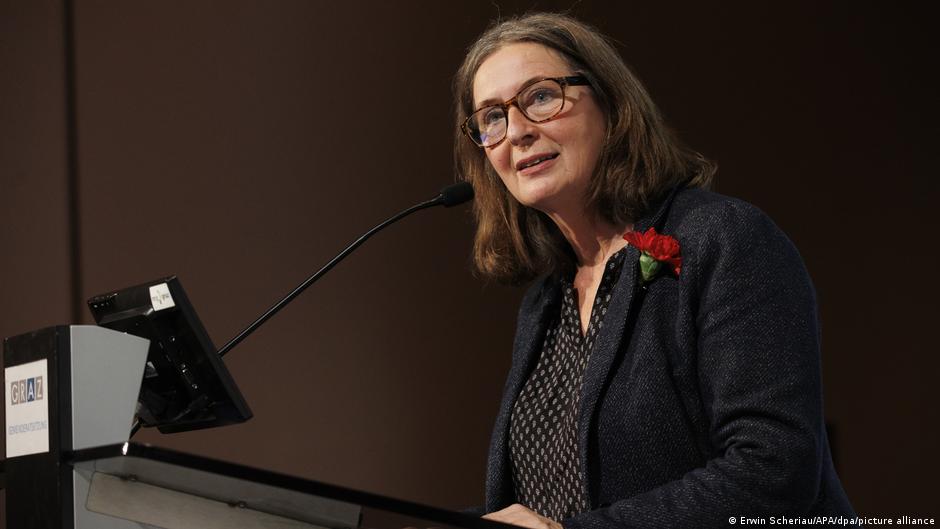
The Communist Party of Austria has secured a second consecutive victory in Graz’s municipal elections by focusing on housing policies and pragmatic governance amidst a shifting political landscape.

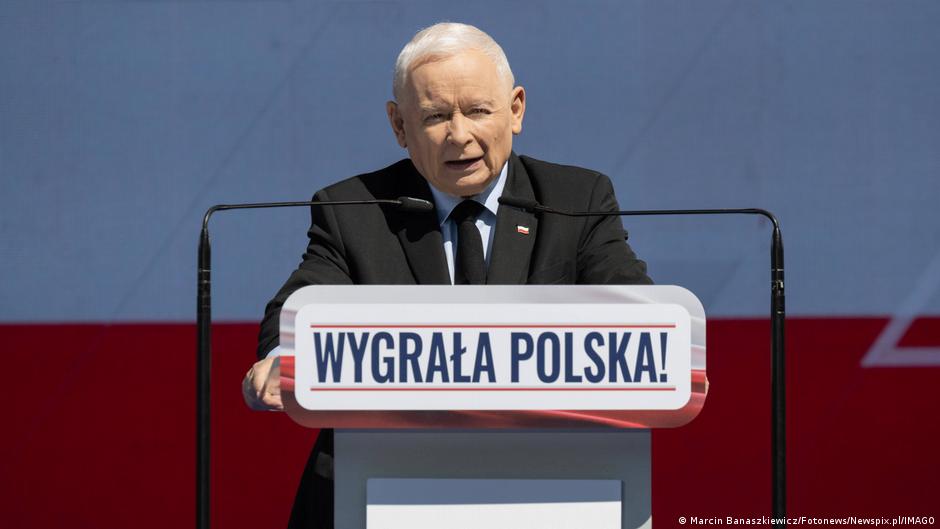
Polish opposition leader Jarosław Kaczyński calls to block Ukraine’s EU accession amid historical disputes and economic concerns, highlighting growing tensions ahead of Poland’s 2027 elections.