G7 Leaders Announce New Sanctions on Russian Energy and Increased Military Aid to Ukraine
G7 nations commit to intensifying sanctions targeting Russia's oil and gas sectors while pledging advanced weaponry support to Ukraine amid ongoing conflict.

At the conclusion of their summit in Évian-les-Bains, France, the leaders of the Group of Seven (G7) issued a statement outlining new measures aimed at increasing economic and military pressure on Russia amid its ongoing conflict with Ukraine. Central to the declaration were commitments to impose further sanctions targeting Russia's pivotal oil and gas industries, alongside promises to supply Ukraine with enhanced military aid, including long-range weaponry.
Economic Levers: Targeting Russia's Energy Sector
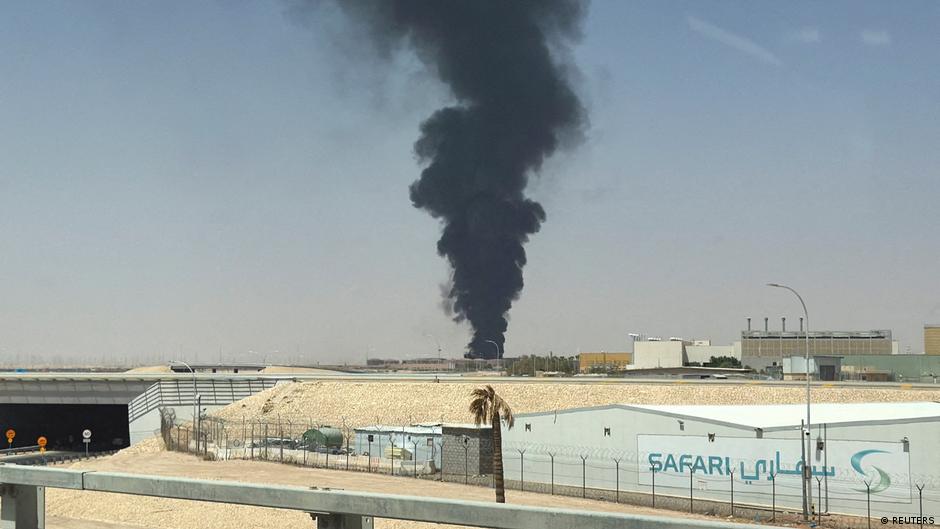
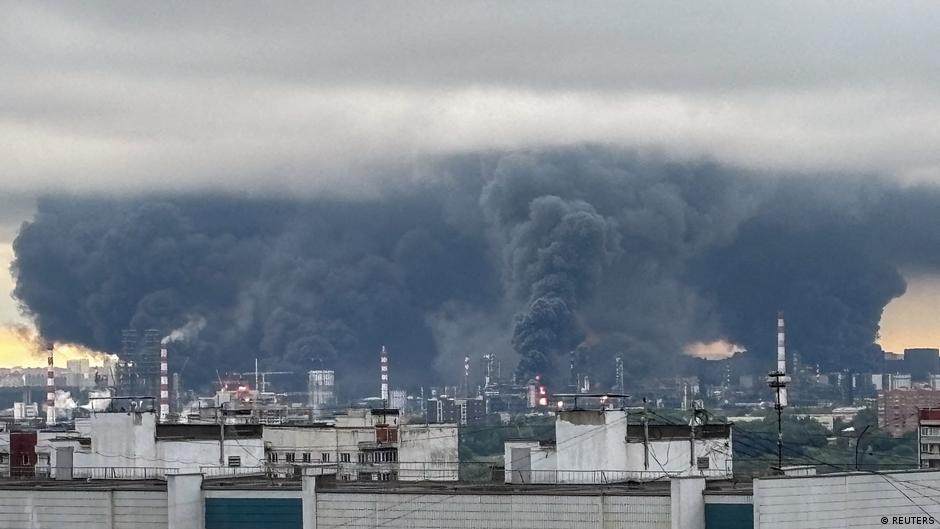
The G7 leaders emphasized their intention to "strengthen pressure on Russia's military economy," explicitly highlighting the expansion of sanctions against the oil and gas sectors. This strategic focus underscores the role of energy exports as a cornerstone of Russia's fiscal capacity to sustain its military operations. By tightening restrictions on these sectors, the G7 aims to curtail Russia's revenue streams that finance its war efforts.
The timing of these sanctions was described as "appropriate," in part due to geopolitical developments, including a recent agreement brokered by former U.S. President Donald Trump facilitating the reopening of the Strait of Hormuz — a critical maritime passage through which significant volumes of oil and gas transit. This reopening potentially mitigates global energy market disruptions, providing the G7 with a strategic window to amplify pressure on Russian energy exports without precipitating severe global supply shocks.
Military Support and Strategic Implications for Ukraine
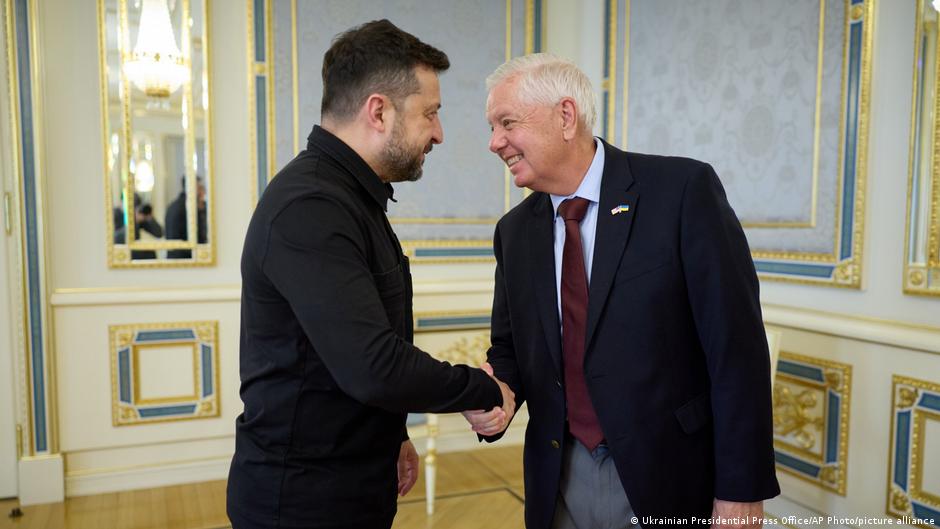
The G7 statement reaffirmed unwavering support for Ukraine's sovereignty and territorial integrity, citing solidarity with the Ukrainian people amidst sustained attacks on critical infrastructure and cultural sites. The leaders noted a "new dynamic" on the battlefield, referencing recent Ukrainian successes and resilience.
"We highly value Ukraine's resilience and recent battlefield successes, underscoring a new dynamic observed in the conflict," the statement read.
In response to this evolving situation, the G7 committed to enhancing military assistance, specifically by increasing shipments of air defense systems, interceptors, and long-range weaponry. Furthermore, the group pledged to explore licensing arrangements to bolster domestic Ukrainian production of military equipment, signaling a strategic shift towards empowering Ukraine's defense industry and long-term sustainability in the conflict.
Broader Economic and Geopolitical Context
The G7's coordinated sanctions and military aid reflect a continuation and intensification of Western economic warfare aimed at debilitating Russia's capacity to wage prolonged conflict. Historically, sanctions targeting critical export sectors like energy have had mixed outcomes, often exerting significant economic pressure but sometimes also precipitating countermeasures and realignments in global trade relations.
In the current context, these measures could deepen Russia's economic isolation and strain its fiscal resilience, potentially accelerating shifts in global energy markets and alliances. The collective action by major advanced economies—Germany, the United States, the United Kingdom, France, Italy, Japan, and Canada—demonstrates a commitment to a multilateral approach combining economic sanctions with strategic military support to influence the conflict's trajectory.
Additionally, the G7's promise to support Ukraine's energy sector through the coming winter months addresses critical humanitarian and economic vulnerabilities, recognizing that sustaining civilian infrastructure is vital to Ukraine's endurance and stability.
Structural Economic Consequences
The expanded sanctions on oil and gas have significant structural implications for the global energy market. Russia's energy exports have long been integral to European and global supply chains. Curtailing these exports accelerates Europe's ongoing energy diversification and decarbonization efforts but may also lead to price volatility and supply uncertainties in the short to medium term.
For Russia, the loss of energy revenues threatens to destabilize state finances and constrain investments in key sectors, potentially triggering economic contraction and increased reliance on non-Western partners. This realignment could reshape geopolitical alliances and economic dependencies for years to come.
Overall, the G7's strategic combination of sanctions and military support seeks to reshape both the immediate conflict dynamics and the broader economic environment influencing Russia and Ukraine.