German CSU Demands Transfer of Ukrainian Drone Technologies to Strengthen Bundeswehr
CSU leader calls for intergovernmental agreement to share Ukraine's advanced drone innovations with Germany's military
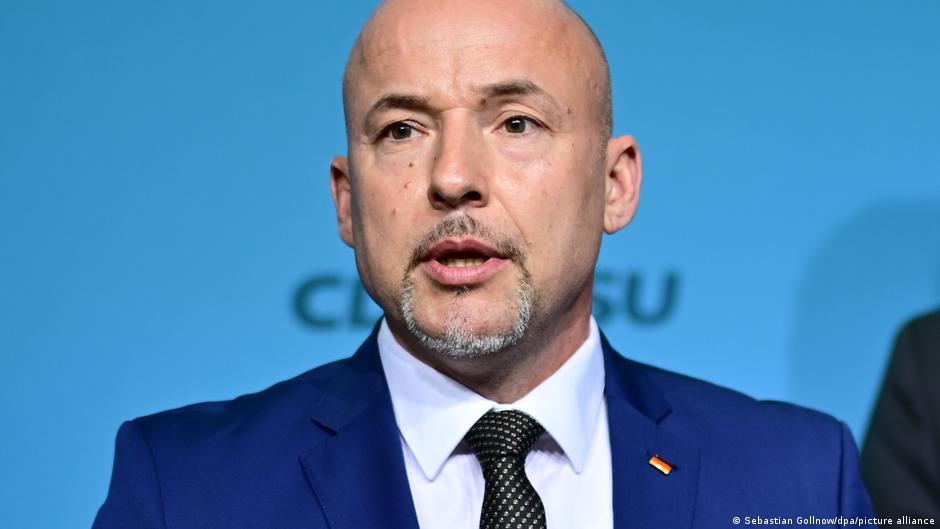
The chairman of the Bavarian Christian Social Union (CSU) parliamentary group in the Bundestag, Alexander Hoffmann, has called for Ukraine to transfer its cutting-edge combat drone technologies to Germany. Hoffmann advocates for a formal intergovernmental agreement to facilitate the sharing of Ukraine's latest unmanned aerial vehicle (UAV) innovations with the German armed forces.
As the CSU forms part of Germany's ruling conservative coalition alongside the Christian Democratic Union (CDU) and the Social Democratic Party (SPD), this proposal highlights a strategic pivot towards leveraging Ukraine's technological advancements to bolster German defense capabilities.
Strategic Context and Economic Implications
According to Hoffmann, Ukraine's achievements in drone technology, UAV defense systems, and cruise missile development are "truly outstanding." He stressed that Germany must secure "dividends" for its ongoing support to Ukraine by gaining access to these innovations. "Germany should participate in these weapons innovations to strengthen its own defense and deterrence capabilities," he said.
"We want to oblige Ukraine to share this experience with us so that we can become stronger together," Hoffmann remarked, emphasizing the need for rapid upscaling of drone production if necessary.
This call raises significant questions about the structural economic consequences of technology transfer amid ongoing conflict. Germany's request reflects an approach that views defense support not merely as aid but as an investment entailing reciprocal technological and industrial benefits.
Historically, the transfer of military technologies between allied nations has been a cornerstone of strategic partnerships, often accelerating domestic defense innovation and production capabilities. For Germany, integrating Ukraine's combat UAV expertise could catalyze modernization within the Bundeswehr, reduce reliance on external suppliers, and stimulate high-technology sectors.
However, this proposal also underscores the delicate balance of international military collaboration, where sovereignty, intellectual property rights, and geopolitical considerations intersect. Negotiating a binding intergovernmental agreement would require addressing these complexities while ensuring that shared technologies align with German security doctrines and industrial policies.
Moreover, the timing coincides with Germany's broader efforts to enhance its defense posture in response to evolving security challenges in Europe. By embedding Ukrainian technological assets into its defense industry, Germany aims to accelerate the development of sophisticated UAV systems, which are increasingly pivotal in modern warfare.
Hoffmann's position signals a move towards a more integrated defense-industrial collaboration between Kyiv and Berlin, which could also have ripple effects across European defense cooperation frameworks. The demand for a quid pro quo arrangement—support in exchange for technology transfer—reflects a pragmatic recalibration of Germany's role as both a military supporter and beneficiary in the Ukraine conflict.
In conclusion, the CSU's proposal to formalize drone technology transfers from Ukraine to Germany represents a significant development in the evolving economic and strategic landscape of European defense. It exemplifies how military aid is transitioning into multifaceted partnerships that blend operational support with technological and industrial cooperation.