German Transport Minister Patrick Schnieder Resigns Amid Leadership Reshuffle
Patrick Schnieder steps down as Germany's transport minister, with Steffen Bilger poised to succeed him amidst internal CDU tensions.
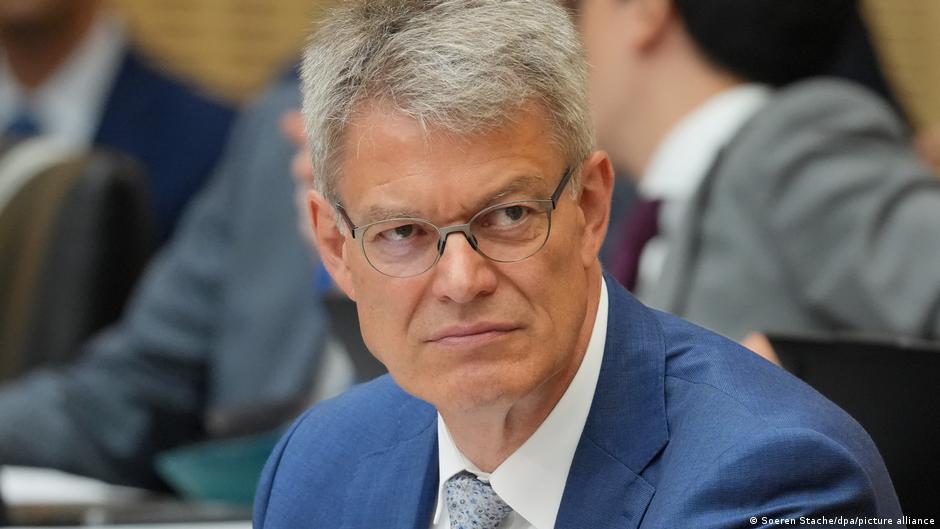
Patrick Schnieder, Germany's Minister of Transport, has announced his resignation, signaling a significant change in the country's transport policy leadership. Chancellor Friedrich Merz intends to nominate Steffen Bilger, secretary of the CDU/CSU parliamentary group, as Schnieder’s successor amid internal party dissatisfaction.
Context and Political Tensions Behind the Resignation
On July 26, Schnieder informed the media that he would formally request the Chancellor to propose his release from ministerial duties to the Federal President. He cited recent events that made effective governance impossible, describing the situation as "undignified" and detrimental to the essential work of the Ministry of Transport.
"I want to end a situation that makes the necessary business operations impossible," Schnieder stated, emphasizing the urgency of resolving the leadership question swiftly for the country's benefit.
The resignation follows reports that on July 24, Schnieder informed Bundestag members about Chancellor Merz’s intentions to dismiss him without providing specific reasons. The uncertainty was compounded when Fritz Güntzler, the initially agreed-upon successor, unexpectedly declined the appointment, triggering a rapid nomination of Steffen Bilger.
Sources within the Christian Democratic Union (CDU) express confusion and discontent over Merz’s handling of Schnieder's departure. The personnel change appears to be part of a broader chain reaction of government reshuffles following the resignation of Jens Spahn, a prominent CDU leader.
Implications for Transport Policy and Economic Stability
The Ministry of Transport faces critical decisions ahead, notably regarding the Deutsche Bahn, Germany’s national railway company. Schnieder highlighted that these choices require prompt and decisive action, underscoring the necessity of a rapid appointment of his successor to ensure policy continuity.
Transport infrastructure is a pivotal sector in Germany's economy, influencing trade, mobility, and environmental strategy. Leadership instability at the ministry level risks delaying investments and reforms needed to modernize the transport network and meet climate goals.
Historically, leadership disruptions in such central ministries have reverberated through Germany’s industrial sectors, impacting investor confidence and project timelines. In the context of ongoing economic challenges and the EU’s green transition, maintaining steady leadership in transport governance is vital.
Broader Political Dynamics
Chancellor Merz’s assertive approach to reconfiguring his cabinet reflects a strategic attempt to consolidate control amidst party rivalries. However, the internal discord evident within the CDU raises questions about the stability of his administration’s policy agenda.
Observers note parallels with previous German governments where rapid ministerial turnovers during critical reform periods led to slowed progress and increased political uncertainty. The current reshuffle thus exemplifies the balancing act between political leadership styles and institutional continuity in Germany’s parliamentary system.
As Steffen Bilger prepares to assume office, his challenge will be to navigate these tensions while advancing the transport ministry’s agenda efficiently. The coming months will be critical in determining whether this leadership change can stabilize governance and maintain Germany’s strategic momentum in transport infrastructure and policy.