Germany Approves Arms Exports to Israel Amid Ongoing Middle East Conflict
Despite formal restrictions, Berlin authorized weapons shipments worth millions to Israel during the US-Israel-Iran war escalation.
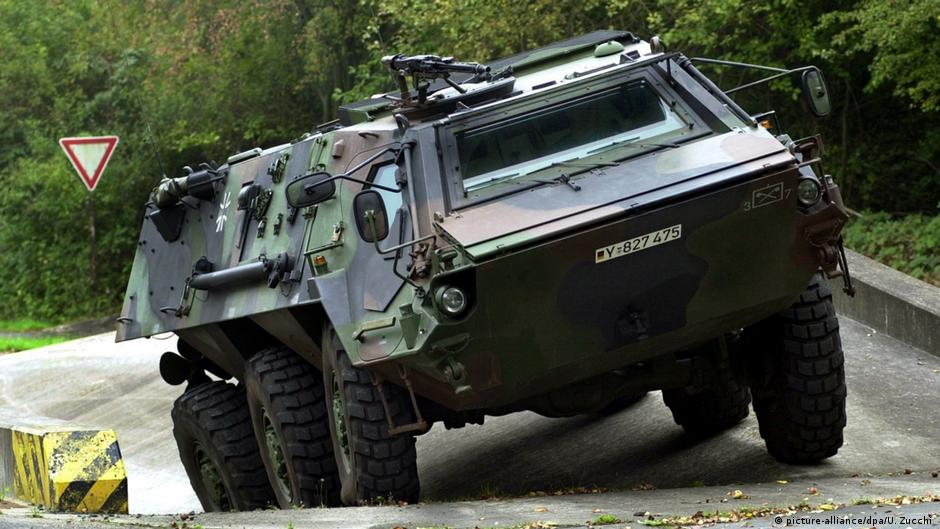
Germany has continued to approve arms exports to Israel during the early stages of the recent US and Israeli military actions against Iran, authorizing shipments totaling millions of euros despite established export restrictions. From February 28, 2025, the date marking the beginning of the joint military operation against Iran, through March 27, 2025, Berlin granted export licenses worth approximately €6.6 million, according to responses from the German Federal Ministry for Economic Affairs reported by dpa on April 16.
Balancing Export Controls with Strategic Alliances
Germany’s arms export policy, rooted in principles established by the "red-green" coalition government in 2000, generally prohibits the delivery of weapons to active war zones or regions in crisis. However, exceptions exist, primarily grounded in strategic and political considerations. Notably, Germany has exempted military support to Ukraine in its defense against Russia, and Israel is considered a special case for similar reasons.
Following the Hamas terrorist attack on Israel on October 7, 2023, Germany initially expanded arms deliveries as a gesture of solidarity. The coalition government under Chancellor Olaf Scholz issued export licenses for nearly half a billion euros in armaments destined for Israel.
Yet, as the Israel-Hamas conflict progressed and international criticism of Israel’s military actions increased, the new federal Chancellor Friedrich Merz imposed a partial embargo on August 8, 2025. This embargo temporarily halted arms exports potentially linked to the Gaza conflict. Chancellor Merz clarified the government’s position: "Solidarity with Israel does not imply endorsement of every decision made by its government, nor an obligation to provide military support."
"The interests of the military-industrial complex never serve peace — anywhere." — Ulrich Thoden, Left Party deputy
This embargo created friction both within Israel and among German Christian Democratic Union colleagues aligned with Chancellor Merz. After three and a half months, following an agreement on a ceasefire between Israel and Hamas, Berlin lifted the restrictions. Notably, even during the embargo, the Ministry of Economics records indicate that export licenses worth €10.44 million were still issued.
Economic and Political Implications of Arms Trade Amid Conflict
The case of German arms exports to Israel amidst escalating Middle Eastern tensions highlights the complex interplay between economic interests, foreign policy, and ethical considerations in arms trade. The German government’s approach illustrates the challenge of balancing strict export controls with geopolitical alliances and domestic political pressures.
Left Party deputy Ulrich Thoden has strongly criticized the government, accusing it of fueling conflict through these weapons exports. He calls for an immediate and complete halt to arms shipments to Israel, emphasizing that the military-industrial complex prioritizes profit over peace and human welfare. "They ignite wars that claim countless lives and can devastate the economic well-being of entire populations," Thoden stated.
Germany’s arms export policy, particularly regarding Israel, also reflects historical sensitivities. Post-World War II Germany has maintained a generally cautious stance on military exports, shaped by its commitment to peace and historical responsibility. Yet, strategic considerations in the contemporary geopolitical landscape, such as supporting allied nations, often complicate strict adherence to these principles.
From an economic perspective, the arms industry constitutes a significant sector with complex supply chains and substantial employment. Restrictions on exports can impact domestic manufacturers and broader economic dynamics. However, critics argue that the human cost of perpetuating conflict outweighs economic benefits, urging for a reassessment of export policies in favor of peace and stability.
In sum, Germany’s ongoing arms exports to Israel during a volatile period underscore the inherent tensions within export control regimes. They reveal how economic imperatives, political allegiances, and ethical concerns converge and conflict in the governance of international arms trade.