Abbas Delays Palestinian Elections as Governance Questions Deepen
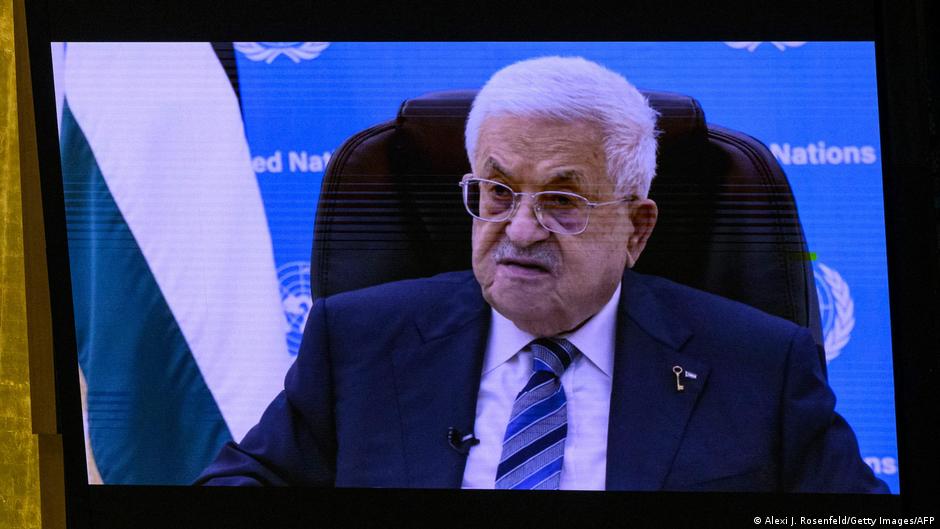
Palestinian elections have been delayed until September 2027, extending political uncertainty around Gaza’s governance and reconstruction.

Palestinian elections have been delayed until September 2027, extending political uncertainty around Gaza’s governance and reconstruction.

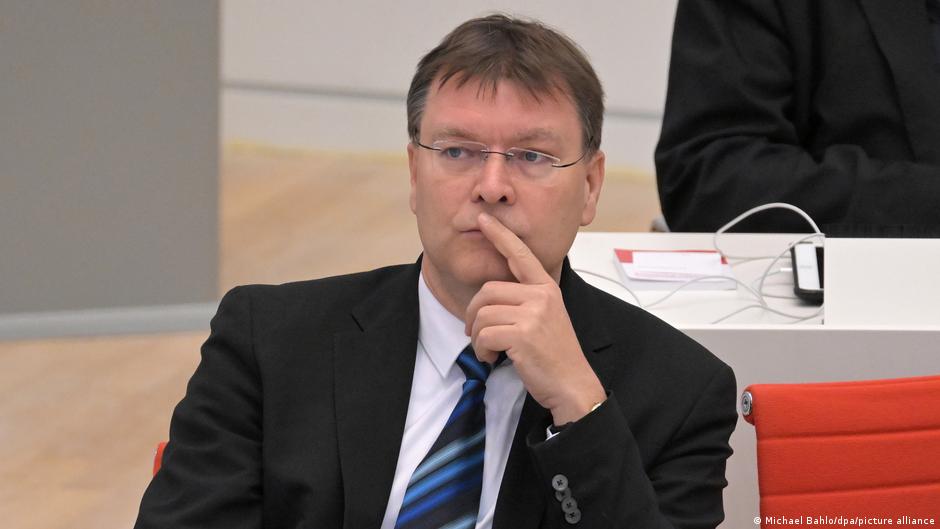
BSW lawmaker Sven Hornauf plans delegations to Belarus and Russia to revive twin-town links suspended after the war in Ukraine.

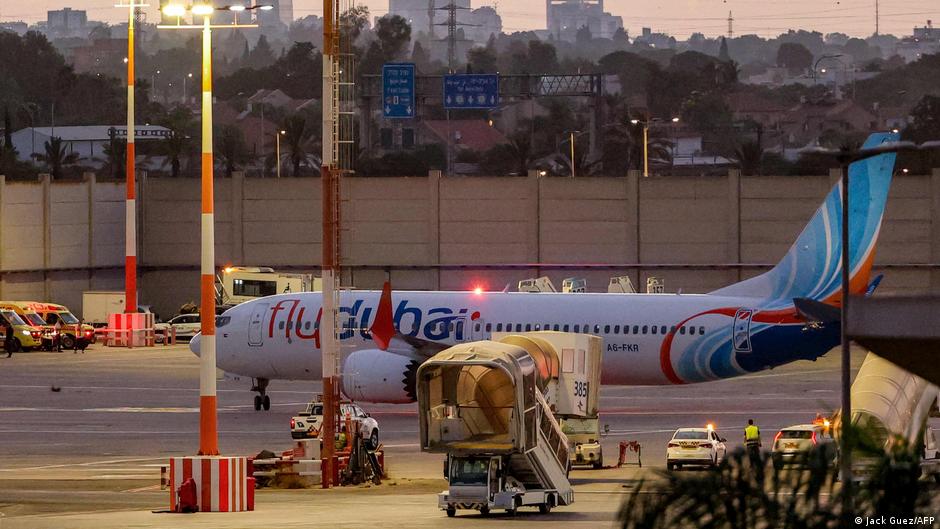
Flydubai’s Israel flight suspension turns a cockpit security incident into a test of Gulf-Israel aviation, diplomacy and economic connectivity.

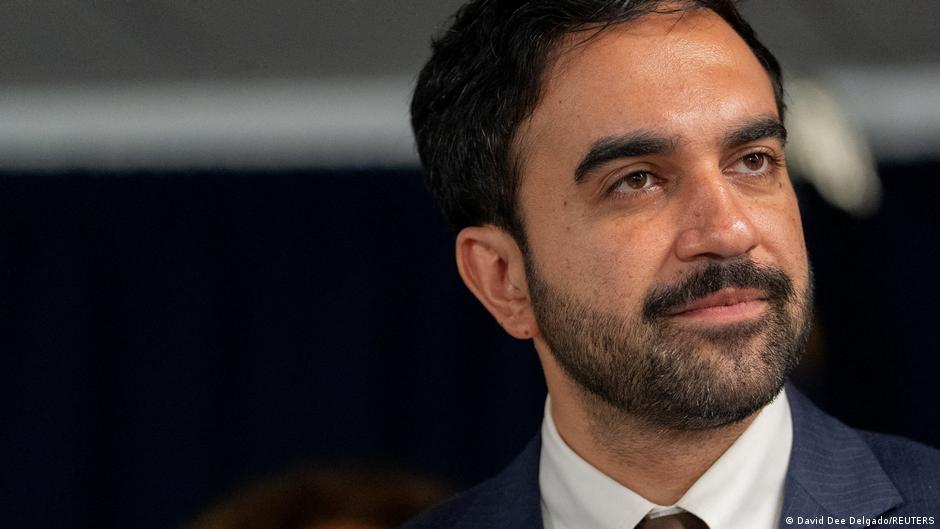
New York Mayor Zohran Mamdani raised hate-crime funding to $29 million in a broad plan targeting antisemitism and Jewish institutional security.

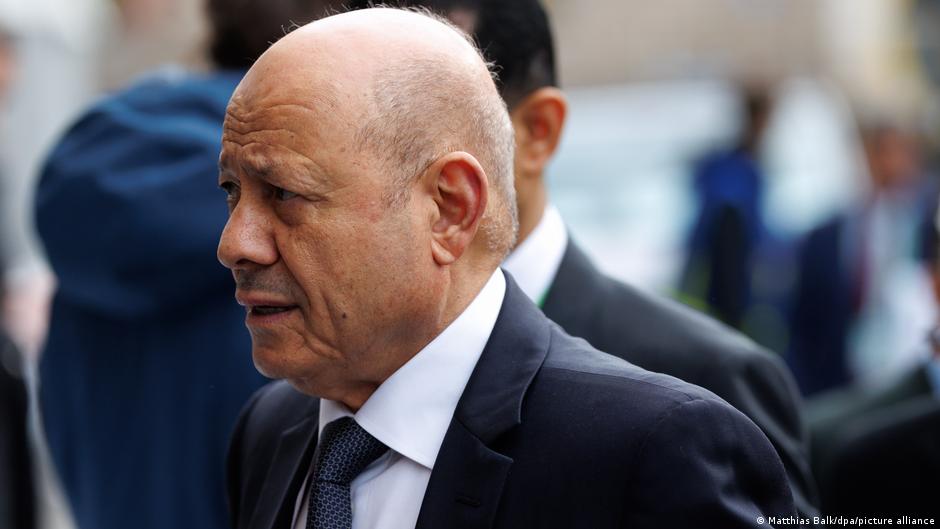
Yemen’s mobilization call comes as Houthi gains near the Red Sea and Bab el-Mandeb raise risks for trade, oil exports and energy prices.

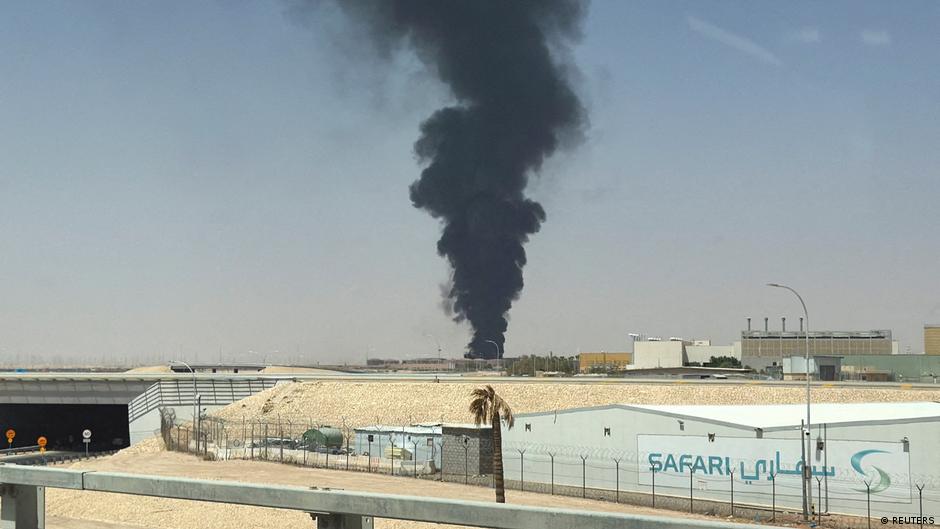
Saudi Arabia says it intercepted a Houthi missile aimed at Riyadh as attacks put renewed pressure on Yanbu, Aramco and vital Red Sea oil routes.

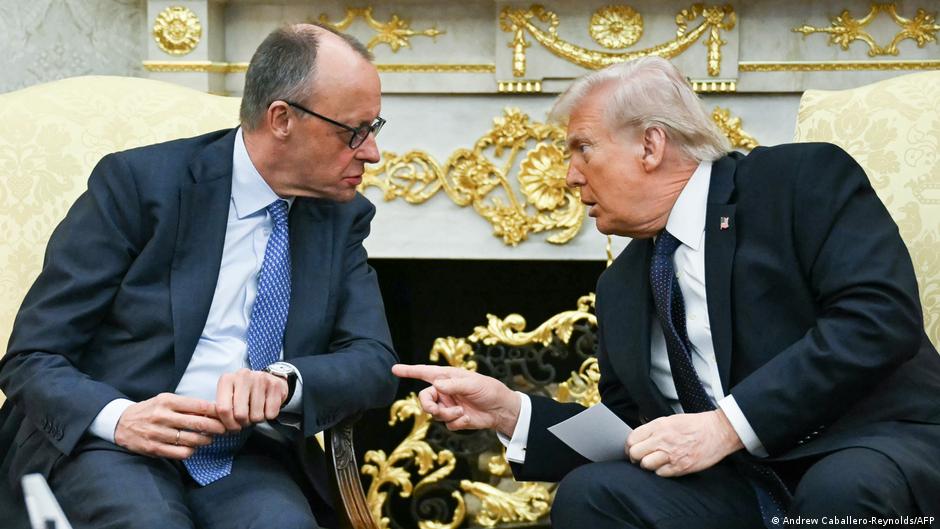
Merz says unconditional transatlantic friendship is over, framing U.S. tensions as a test of Germany’s security and economic model.

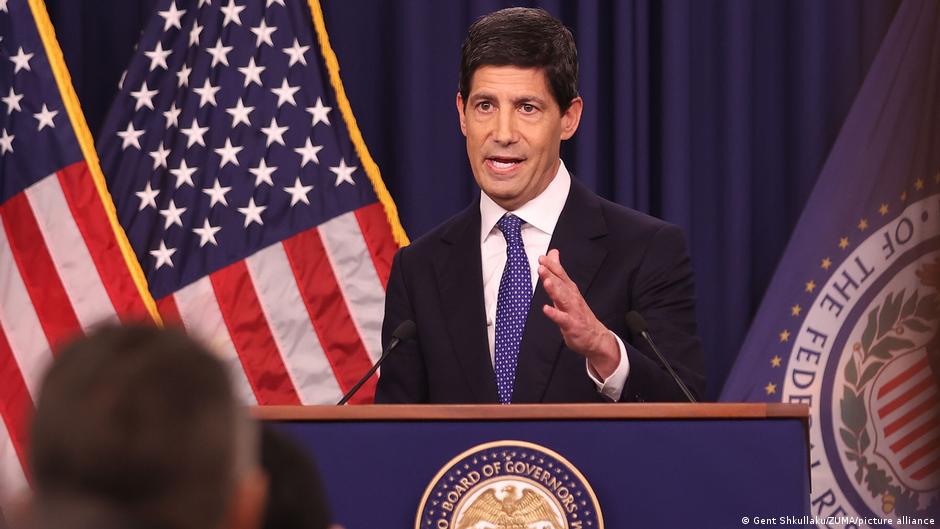
The Fed lifted rates to 3.75-4 percent, citing persistent inflation and reviving tensions between price stability, credit costs and politics.

The Houthi capture of Mocha strengthens their position near Bab el-Mandeb, raising risks for oil flows and global energy prices.

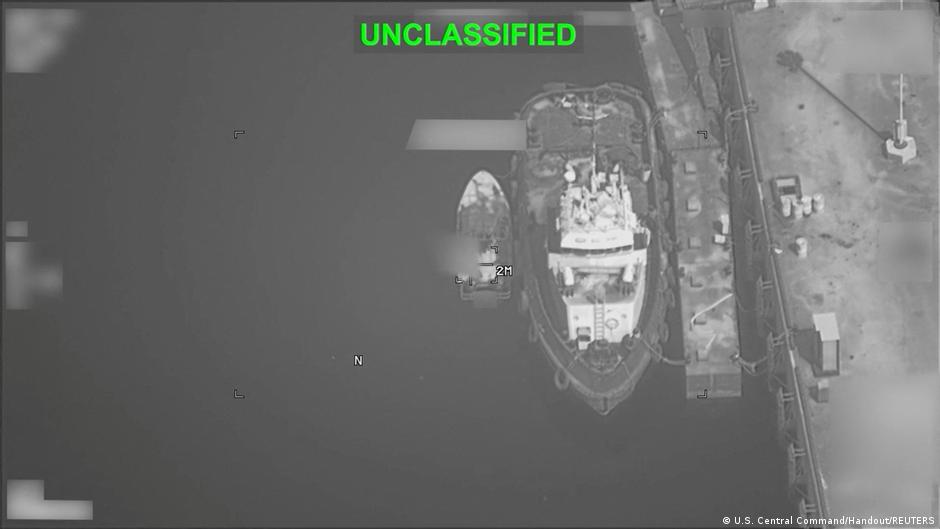
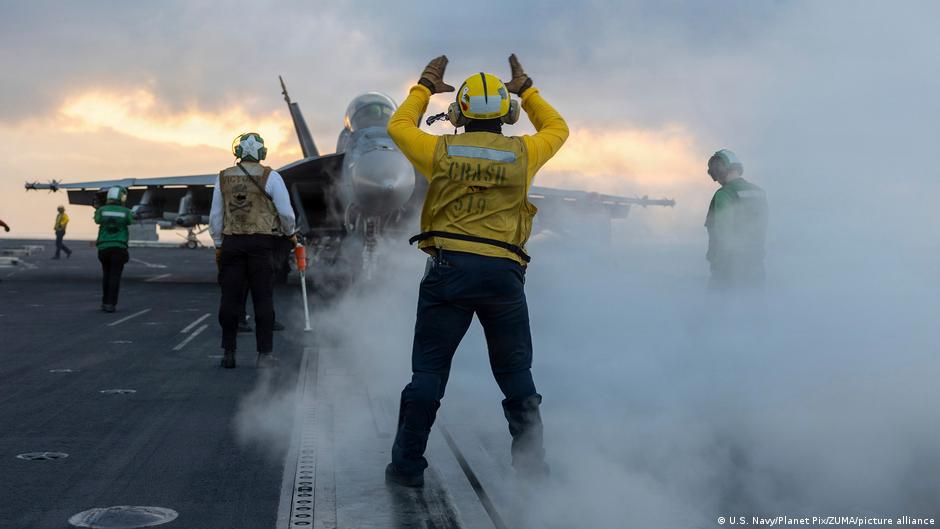
CENTCOM said it destroyed five Iranian oil tankers after IRGC missile attacks, escalating the economic fight over oil logistics and Hormuz.

Daniel Driscoll’s reported resignation after a clash with Pete Hegseth adds to Pentagon turnover and raises questions over procurement, readiness and policy continuity.

The U.S. has removed Syria from its terrorism sponsorship list after nearly 50 years, signaling new economic opportunities and shifting geopolitical dynamics in the Middle East.

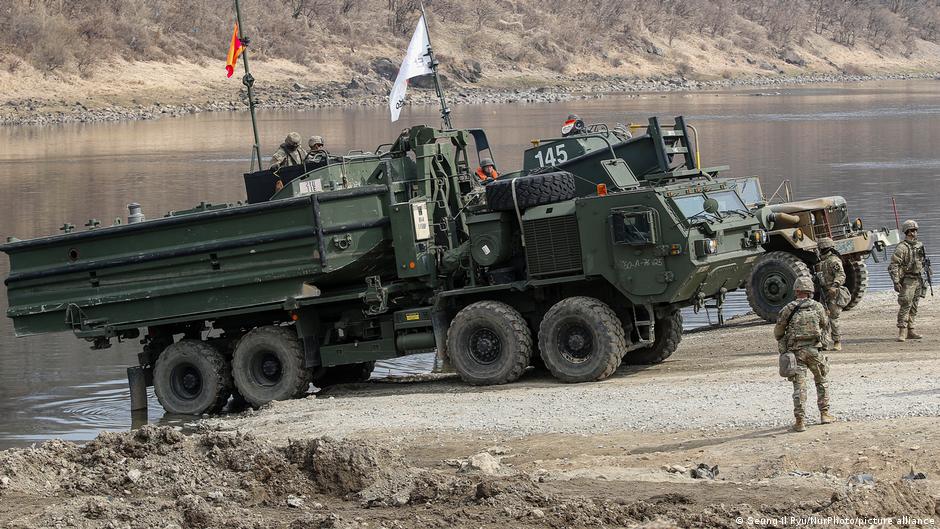
The US orders a significant cut in joint military drills with South Korea, citing costs and improving ties with North Korea amid shifting strategic and economic priorities.

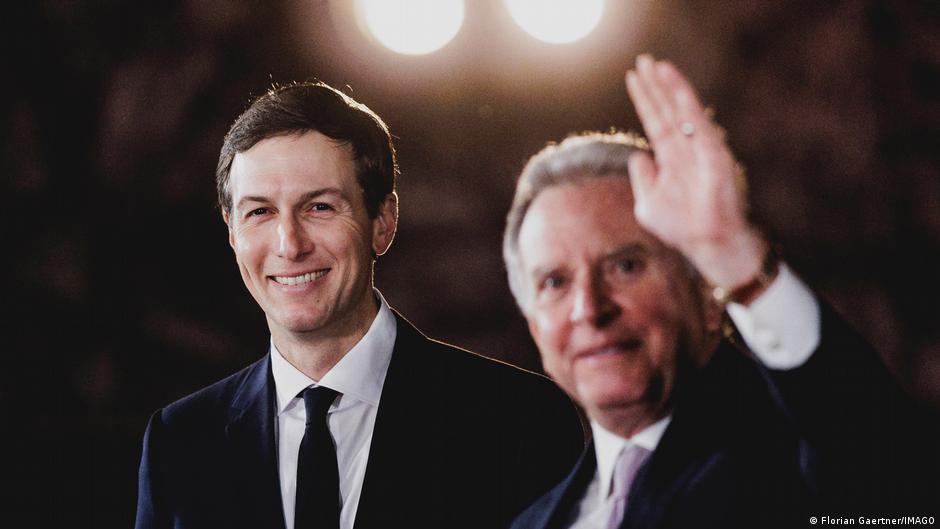
Jared Kushner’s talks with Hamas reveal the intricate challenges of disarmament and governance reforms essential for Gaza's fragile peace prospects.

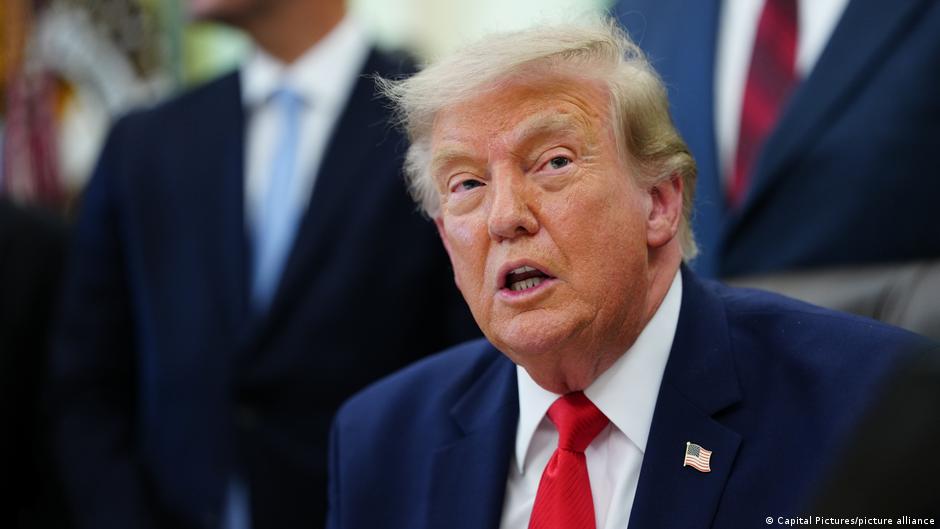
President Trump plans to declare the Strait of Hormuz US territory, signaling prolonged military presence and escalating tensions with Iran over this vital oil transit route.

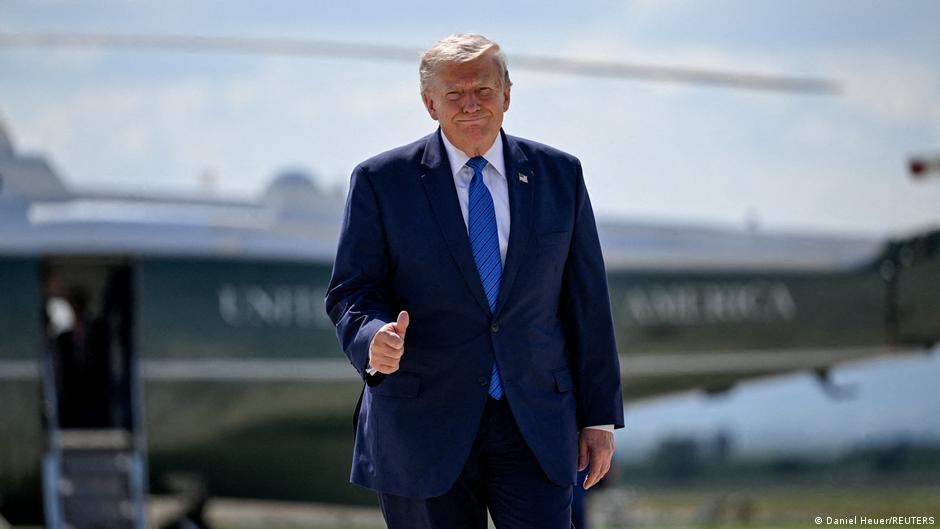
President Trump announces a new negotiation phase with Iran, postponing military strikes to pursue a deal addressing nuclear and regional security, amid ongoing US-Iran tensions.

US President Donald Trump declared a historic agreement with Hamas for full disarmament, marking a crucial step toward peace and political restructuring in Gaza after years of violent conflict.

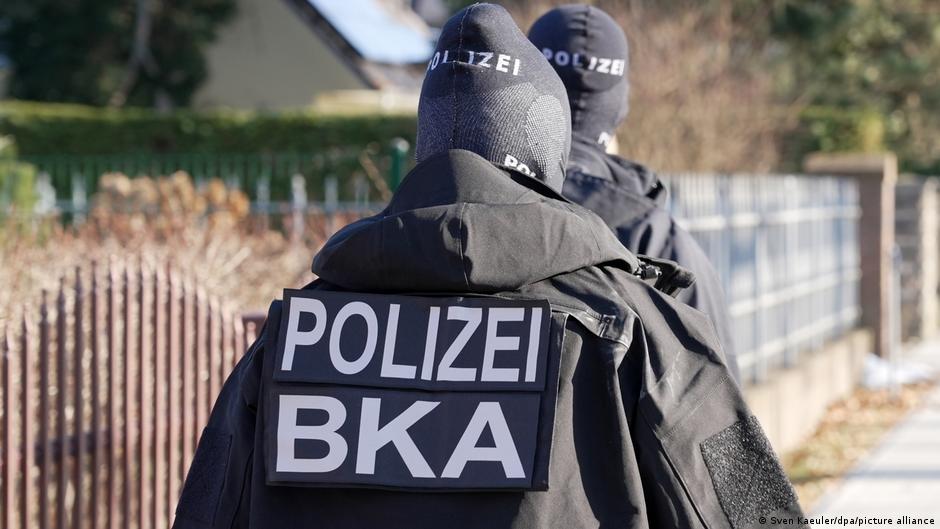
Germany’s Federal Criminal Police Office reports 410 Islamist threats amid rising radicalization consultations and debates on prevention strategies after a deadly Berlin attack.

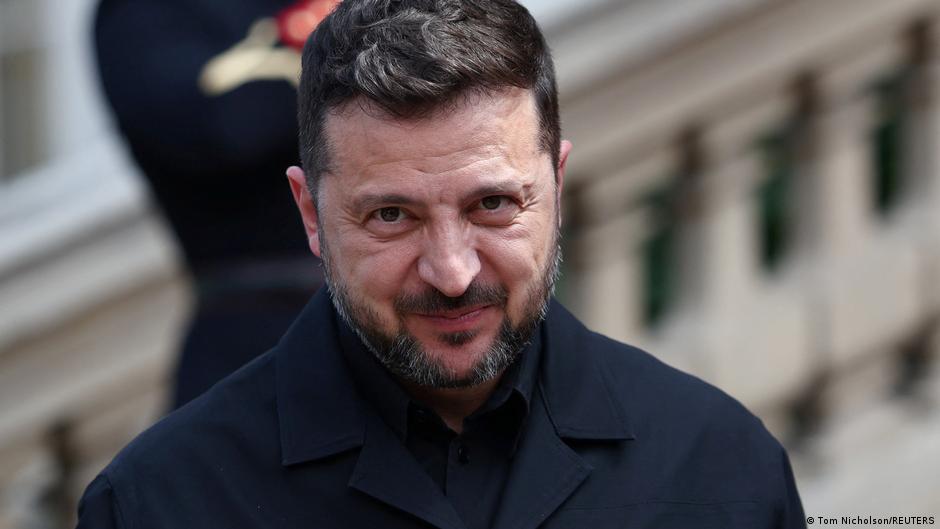
President Zelensky’s Washington visit coincides with a Senate vote on expanded sanctions against Russia, encompassing broader Middle East implications and diplomatic efforts.

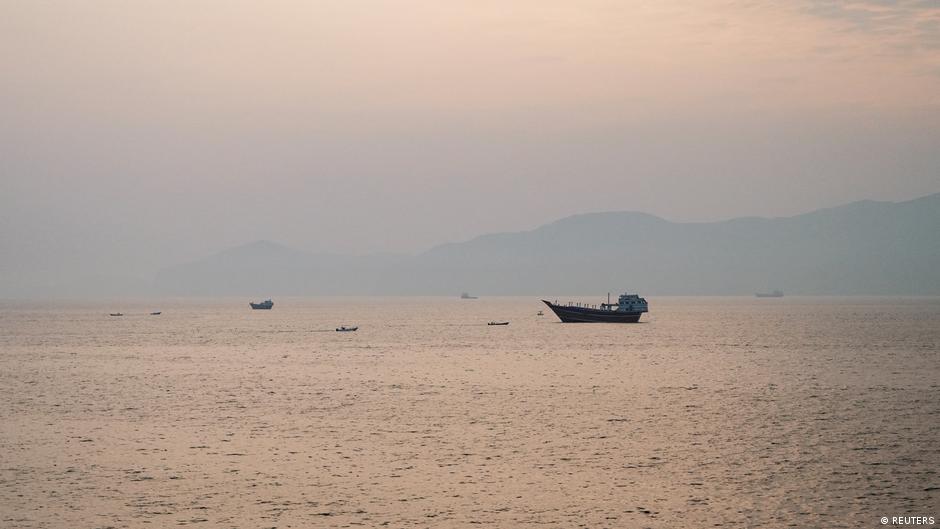
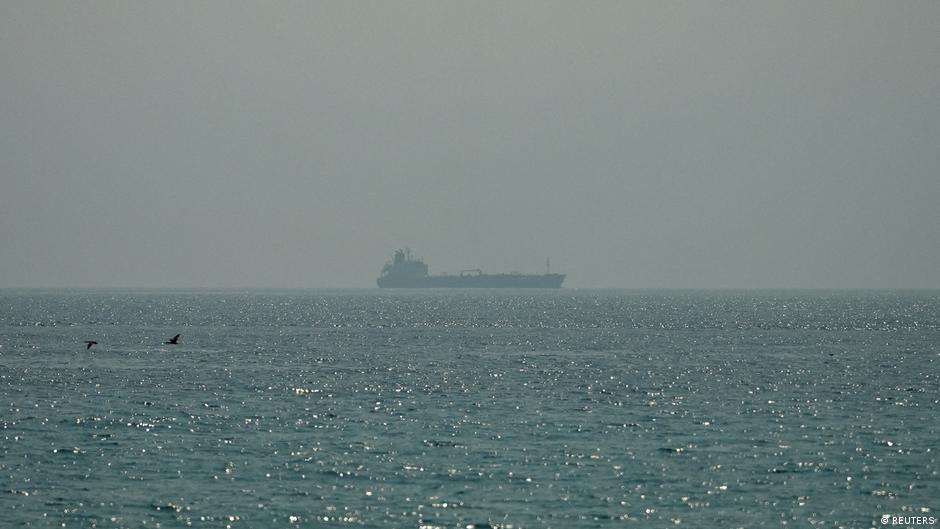
Iran's IRGC claims a tanker was mined in the Strait of Hormuz after unauthorized passage, signaling heightened risks to global oil transit through this strategic chokepoint.

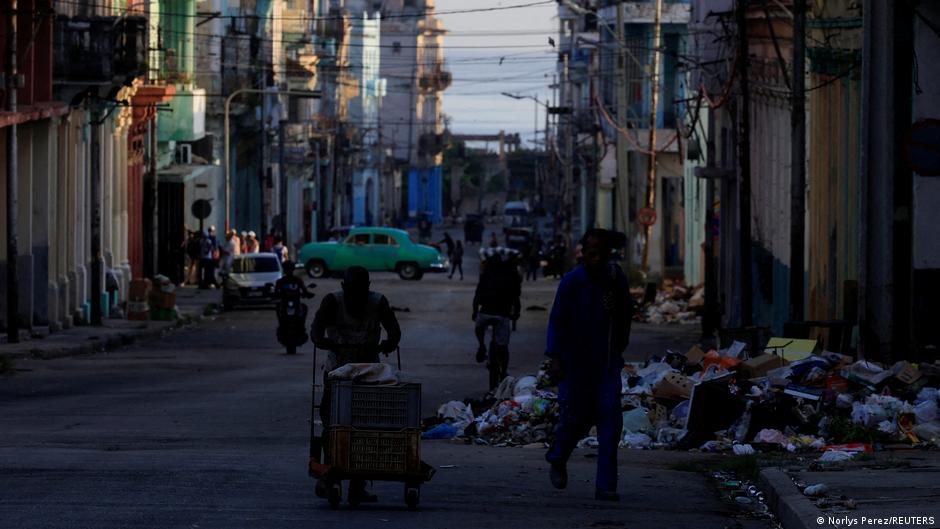
The US begins delivering a $100 million humanitarian aid package to Cuba amidst heightened sanctions and military threats, highlighting a complex policy approach.

The IMF has approved a €604 million disbursement to Ukraine under its EFF program, noting satisfactory progress but delays in structural reforms amid ongoing conflict.

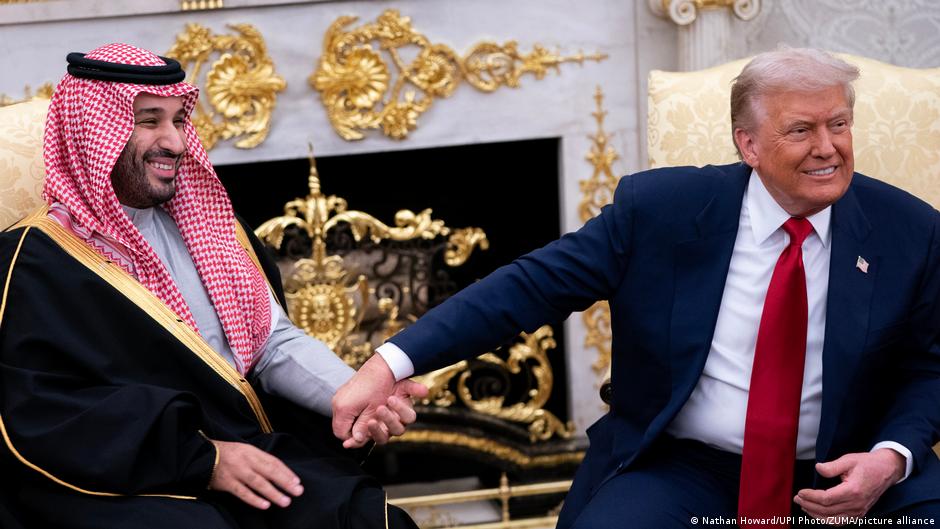
The Trump administration's tentative approval for Saudi uranium enrichment without strong IAEA safeguards raises proliferation concerns amid expanding nuclear energy cooperation.

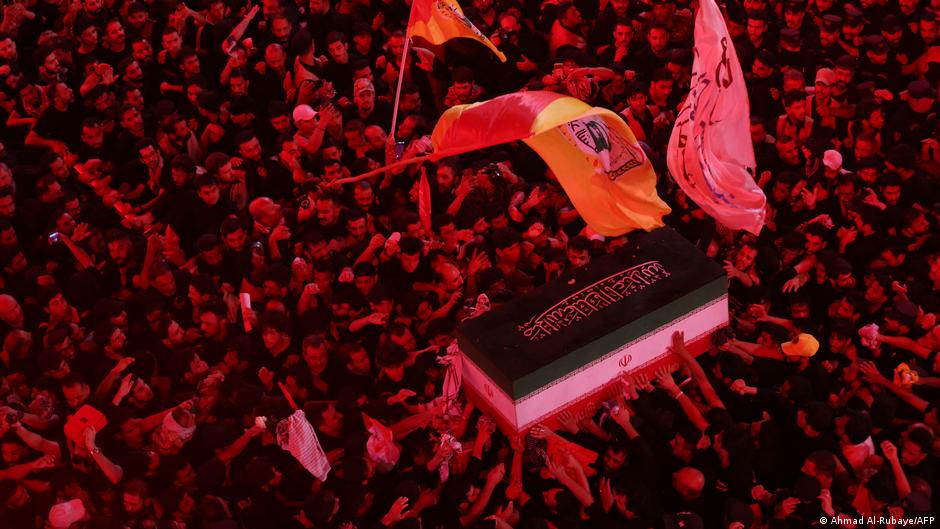
Iran buried former Supreme Leader Ali Khamenei in a closed ceremony amid regional tensions and uncertainty over his successor's public presence.

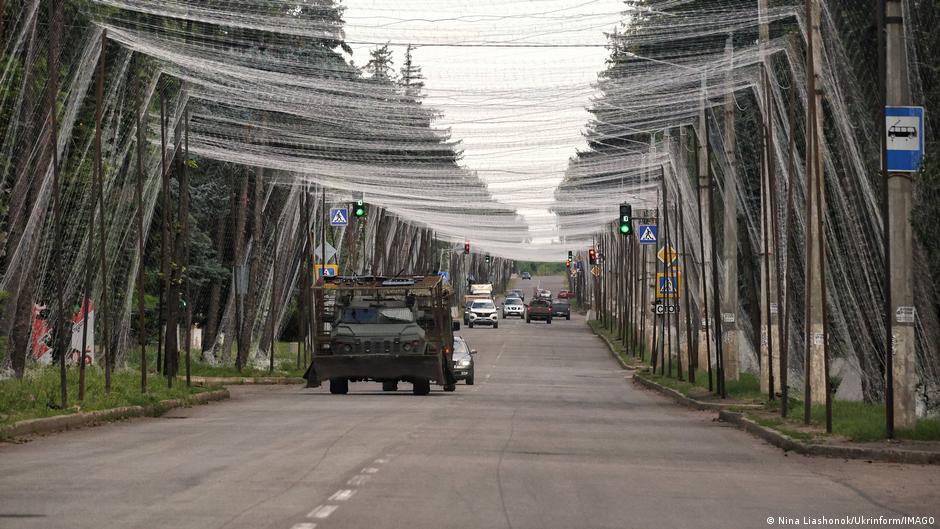
In June 2024, Russia reduced its drone and missile strikes on Ukraine significantly, signaling possible operational and economic adjustments amid ongoing conflict dynamics.

The US and Iran have agreed to a temporary ceasefire until June 30, ahead of talks in Qatar addressing the reopening of the Strait of Hormuz, a critical oil shipping route.

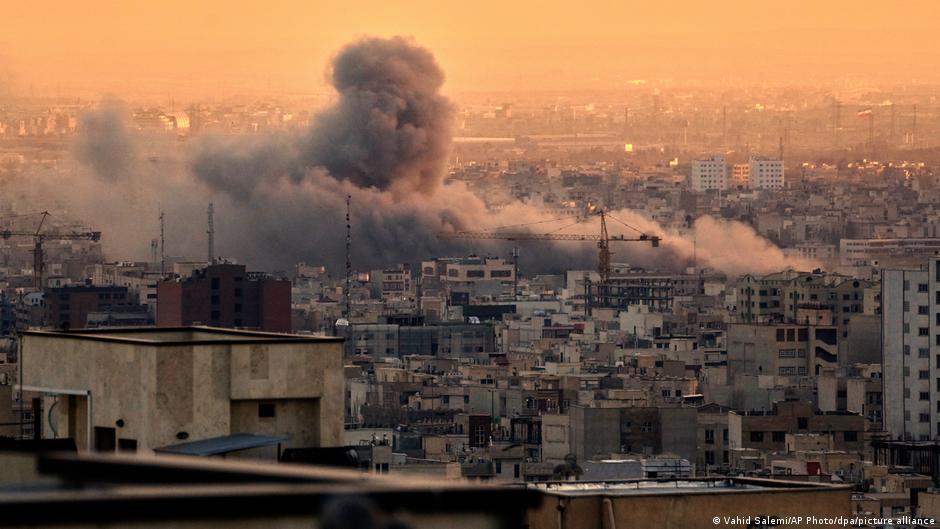
US airstrikes targeted Iranian military sites after a drone attack on a commercial ship in the Strait of Hormuz, escalating tensions and impacting global oil markets.

Former US President Trump praises Zelensky's resilience amid the Russia-Ukraine conflict, signaling shifts in US foreign policy and highlighting economic and geopolitical complexities.

The US and Iran have agreed on a communication channel to prevent incidents in the Strait of Hormuz, setting a 60-day roadmap for comprehensive agreements including maritime and regional conflict issues.

The US threatens to impose transit fees on vessels passing through the Strait of Hormuz if talks with Iran fail, signaling a new economic lever in Middle East geopolitics.

Germany urges Turkey to exclude Russian gas in future EU energy agreements, highlighting economic and geopolitical shifts in the region's energy dynamics.

US intelligence warns Israel may disrupt the US-Iran deal, citing Israeli security concerns and political calculations amid ongoing regional tensions.

US envoy Stephen Whitcoff travels to Switzerland for nuclear talks with Iran, delayed by ongoing Lebanon conflict and ceasefire demands, amid high economic and geopolitical stakes.

The US has lifted its naval blockade of the Strait of Hormuz, enabling renewed Iranian oil exports and opening a 60-day negotiation period aimed at a comprehensive peace agreement.

European leaders welcome the US-Iran peace deal as a path toward regional stability and global economic recovery, emphasizing non-proliferation and swift implementation.

Iran has largely restored its missile arsenal during a ceasefire period, possibly aided by recent Russian missile transfers, complicating US efforts to curtail Tehran's military capabilities.

President Trump cancels June 11 airstrikes on Iran amid progress in multilateral negotiations involving regional allies, averting immediate military escalation.

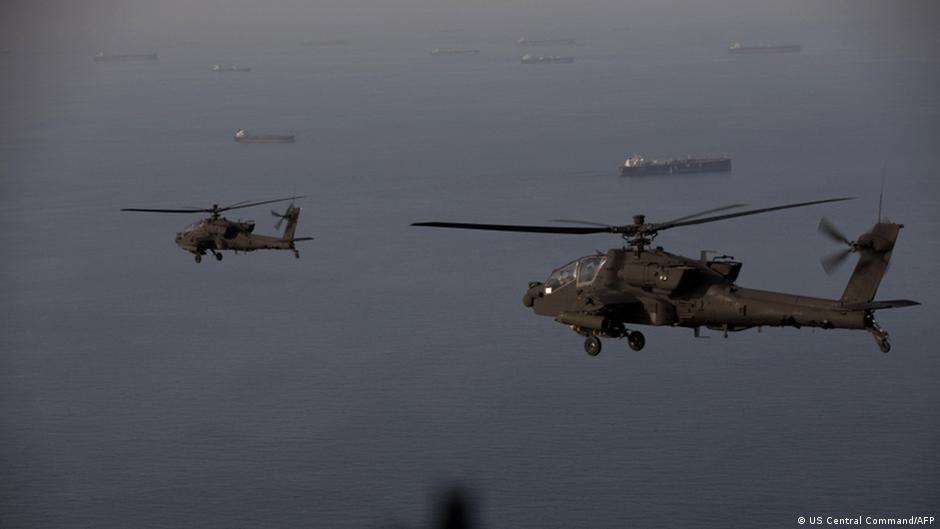
The US resumed airstrikes on Iran following the downing of an Apache helicopter over the Strait of Hormuz, reflecting escalating regional tensions with significant economic implications.

Israel strikes Iranian targets in retaliation for missile attacks amid US efforts to negotiate peace with Tehran, highlighting regional tensions and economic risks.

US forces intercepted four Iranian drones targeting the Strait of Hormuz and struck radar stations, highlighting escalating tensions impacting global energy security.

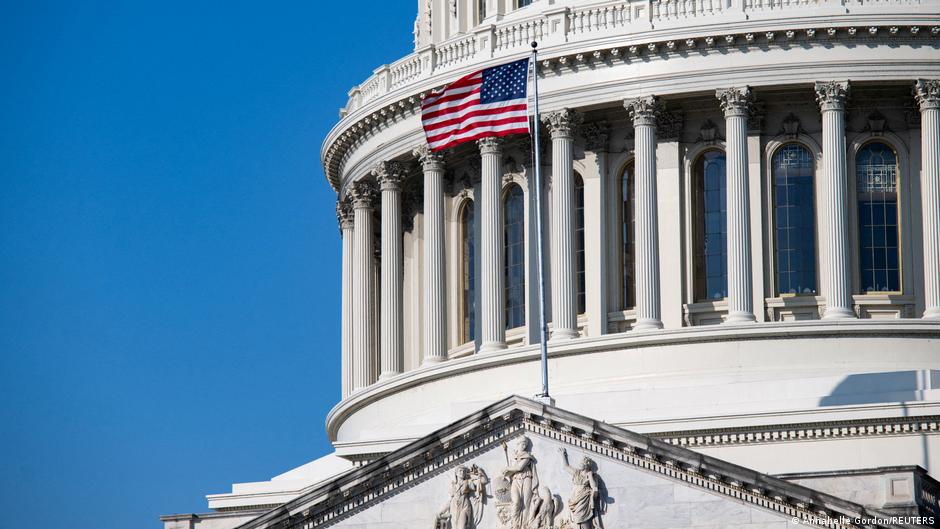
The US House approves a resolution restricting President Trump from continuing war with Iran without Congressional consent, highlighting shifting political and economic concerns.

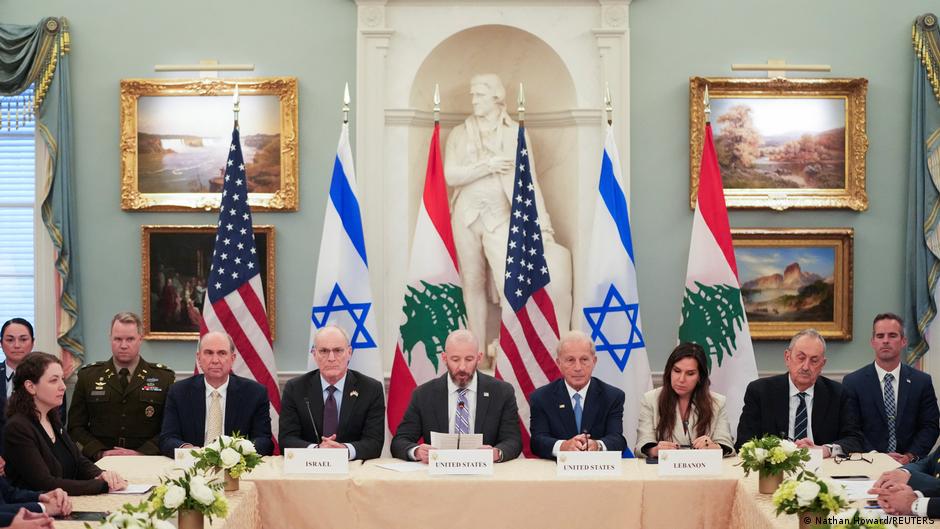
Israel and Lebanon, under US mediation, have agreed to a ceasefire requiring Hezbollah’s withdrawal from southern Lebanon, marking renewed efforts to stabilize the region amid ongoing conflict.

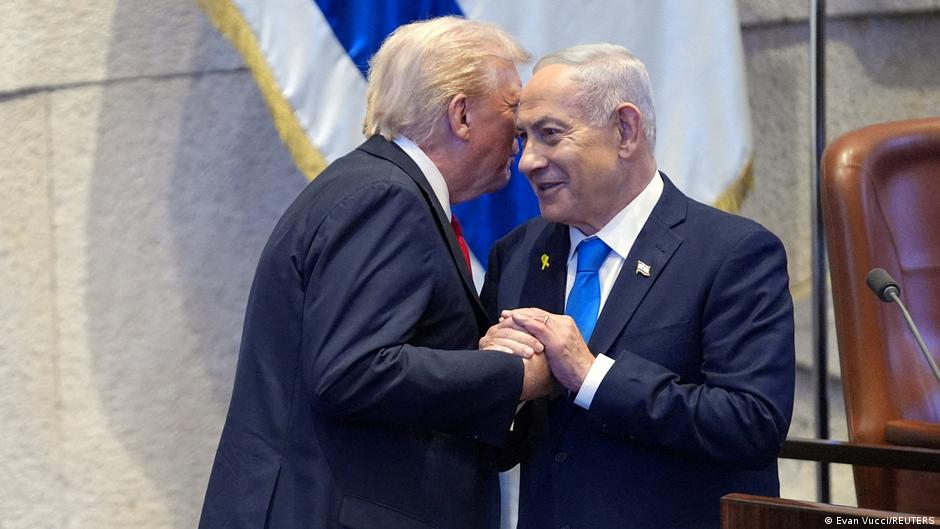
Former US President Trump harshly criticized Israeli PM Netanyahu for Beirut strikes, warning of increased isolation and risks to Middle East peace amid escalating conflict.

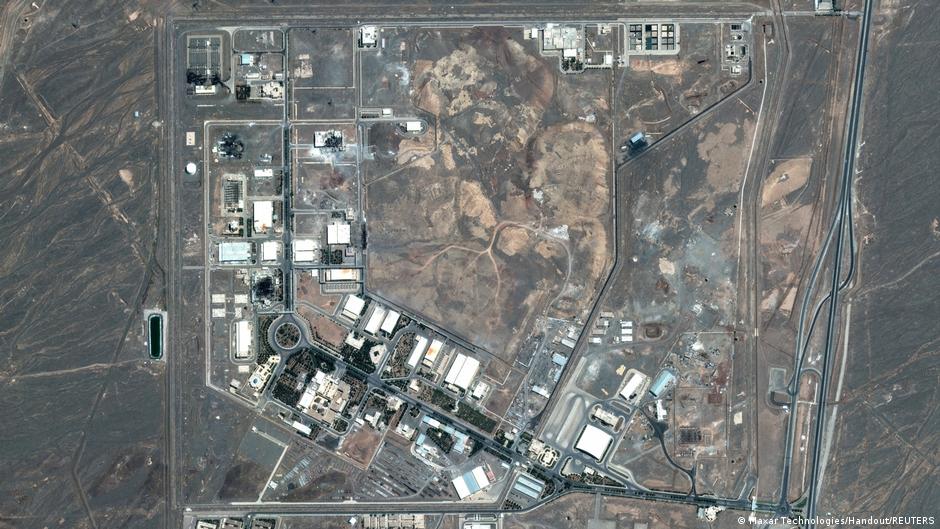
Donald Trump announces plans for Iran's enriched uranium to be destroyed either in the US or on-site under IAEA supervision amid escalating nuclear tensions.

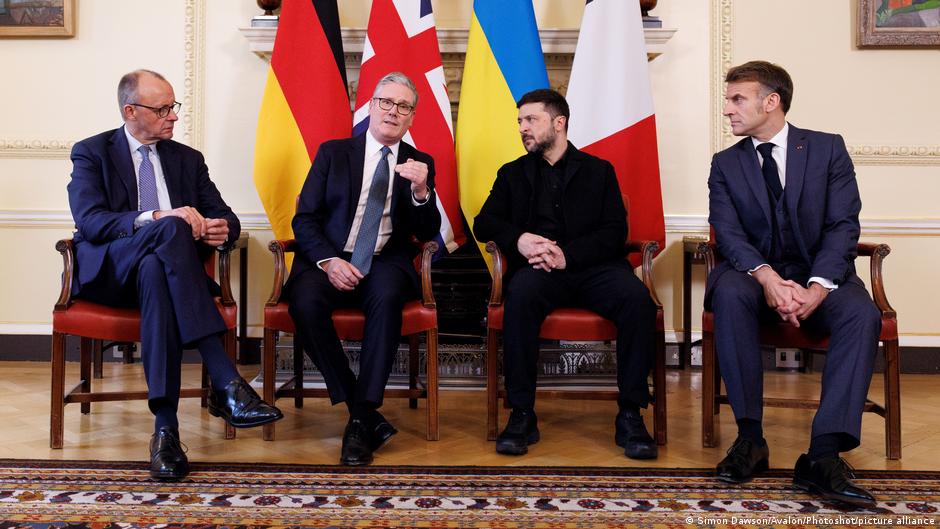
Ukraine’s European allies hold high-level talks with President Zelenskyy to discuss revitalizing peace diplomacy amid stalled negotiations with Russia.

Hungary reinstates a ban on Ukrainian agricultural imports to protect domestic farmers and reverses its withdrawal from the International Criminal Court, highlighting economic and political recalibrations.

The US commits to sending 5,000 additional troops to Poland, reversing earlier Pentagon decisions and signaling a complex strategic realignment in Europe with broad economic and security implications.

Western nations criticized Israel for degrading detained activists from the pro-Palestinian Sumud flotilla, escalating diplomatic tensions over Gaza blockade enforcement.

The US Senate advances a resolution requiring presidential congressional approval for military actions against Iran, highlighting constitutional and economic challenges.

President Trump delays a planned military strike on Iran following Gulf leaders' intervention, as serious negotiations continue amid complex US-Iran tensions.