Global Oil Reserves Decline at Record Pace Amid Middle East Conflict
World oil inventories fell by an unprecedented 200 million barrels in April despite reduced demand linked to rising prices and geopolitical tensions.
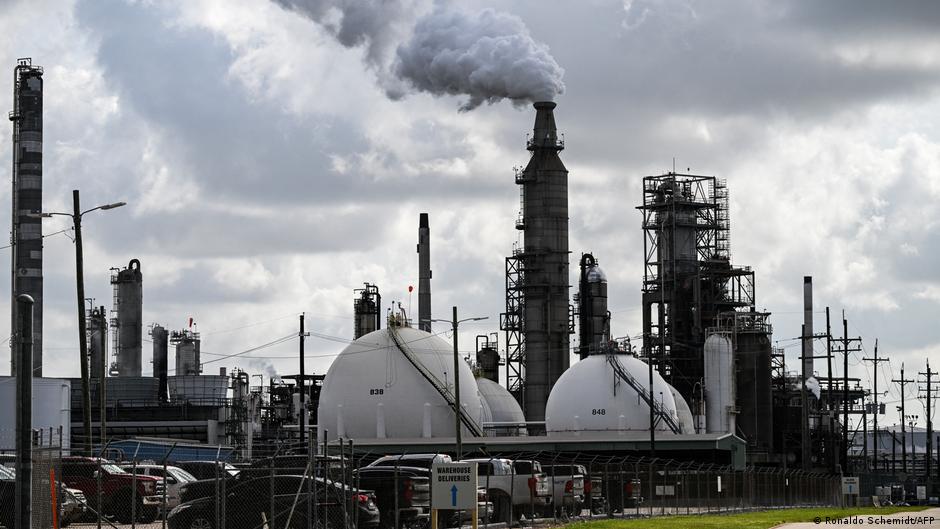
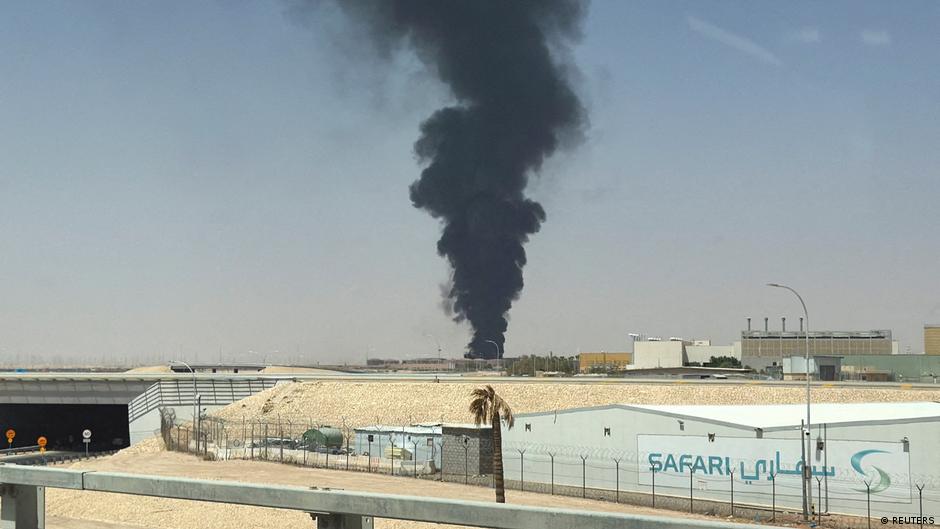
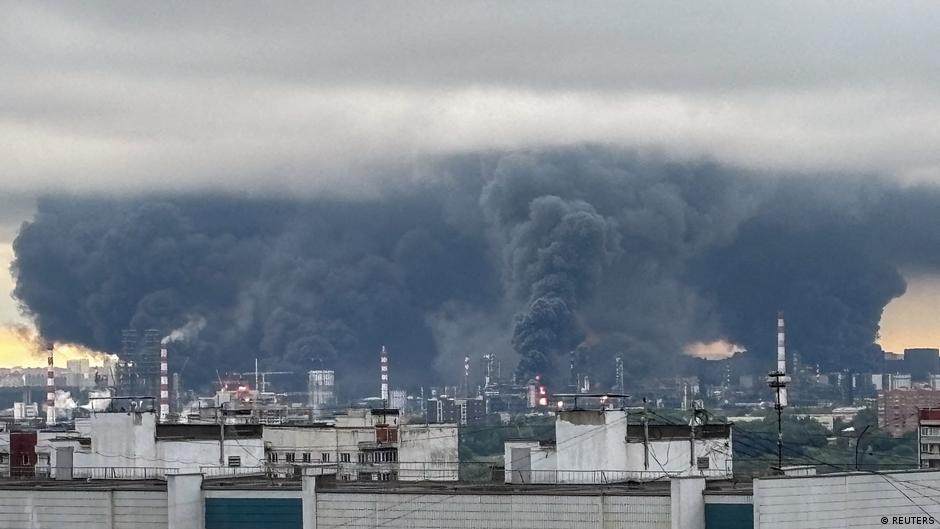
In April 2024, global oil reserves experienced an unprecedented decline of approximately 200 million barrels, marking the steepest monthly drop on record. This notable contraction occurred even as demand weakened due to soaring crude prices, which have been exacerbated by the ongoing conflict involving the United States and Iran in the Middle East.
Geopolitical Tensions and Supply Constraints
Analyses from S&P Global Energy and Goldman Sachs underline that oil inventories shrank by about 6.6 million barrels per day last month despite a sharp demand contraction. Consumption fell by nearly 5 million barrels daily—representing the second-largest decline in historical records, exceeded only during the height of the COVID-19 pandemic.
Goldman Sachs analysts emphasize that current global oil stocks are approaching their lowest levels in eight years. This decline is mirrored by regional patterns; for instance, in Northern Europe, aviation fuel inventories have dropped to a six-year low as reported by Argus agency data for April.
Although the immediate impacts of supply disruptions have predominantly affected Asian markets, U.S. gasoline inventories are projected to fall to historically low levels as the peak summer travel season approaches. These shortages arise from the ongoing war in the Middle East and the blockade of the strategic Strait of Hormuz, which have collectively resulted in roughly one billion fewer barrels entering the market.
"This is a massive scale of drawdown, far beyond the normal range," said Jim Burkhard, head of oil market research at S&P Global Energy. "The market has yet to fully respond to the record pace of inventory depletion, indicating that further price increases are likely ahead."
Currently, global oil stocks stand near 4 billion barrels, but much of this volume is tied up in daily operational requirements. These include maintaining refinery throughput and pipeline transportation, limiting the readily available supply cushion in the face of ongoing disruptions.
Structural and Economic Implications
The rapid depletion of global oil inventories amid geopolitical unrest highlights a critical vulnerability in the global energy supply chain. The blockade of the Strait of Hormuz — a vital chokepoint responsible for a significant share of global oil exports — has tightened supply conditions, pushing markets toward a precarious threshold.
Historically, similar supply shocks have triggered sharp price spikes and contributed to economic volatility. The sustained drawdown in stocks despite demand destruction signals a structural imbalance where supply-side constraints outweigh consumption trends. This dynamic complicates energy market forecasts and poses inflationary risks globally.
Moreover, the interplay between geopolitical conflict and energy markets underscores the strategic importance of diversifying supply sources and enhancing energy security. The current episode may accelerate investment in alternative energy infrastructure and prompt reevaluation of emergency stockpile policies worldwide.
As global policymakers and market participants monitor evolving developments, the imminent risk of reaching critically low inventory levels could serve as a catalyst for renewed volatility in oil prices and broader economic consequences.