Renewed Russian Attacks on Ukraine Undermine Proposed Ceasefire Amid Victory Day Tensions
Russian military strikes continue across Ukraine despite President Zelensky’s unilateral ceasefire offer starting May 6.
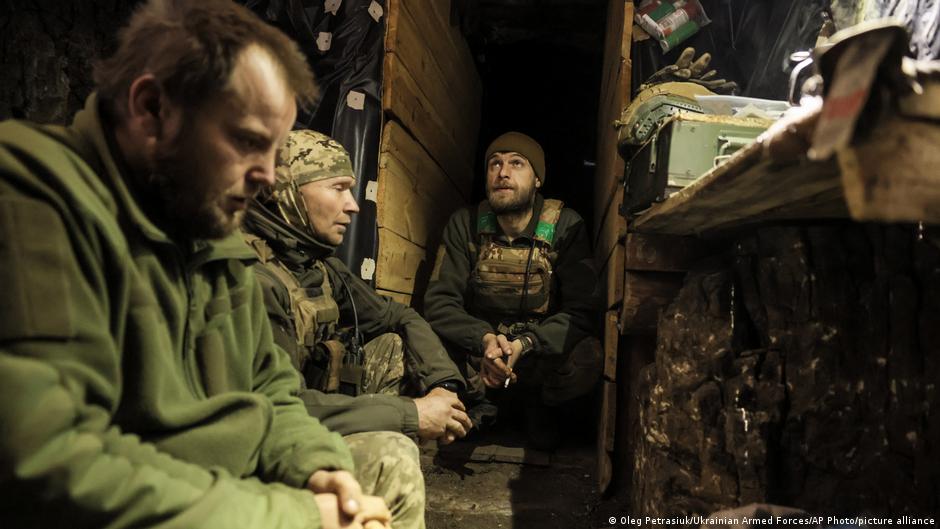
On the night of May 6, Ukraine initiated a unilateral ceasefire proposed by President Volodymyr Zelensky as an alternative to Russia's limited truce declared only for May 8-9 in observance of Victory Day. Despite this gesture aimed at reducing hostilities, Russian forces continued their military operations against Ukrainian regions.
Ceasefire Proposals Clash with Military Reality
President Zelensky’s ceasefire, which began at midnight on May 6, was intended to preempt Russia’s announced "May truce" planned solely for the Victory Day celebrations on May 8 and 9. However, the implementation of the ceasefire was immediately challenged by intensified Russian strikes.
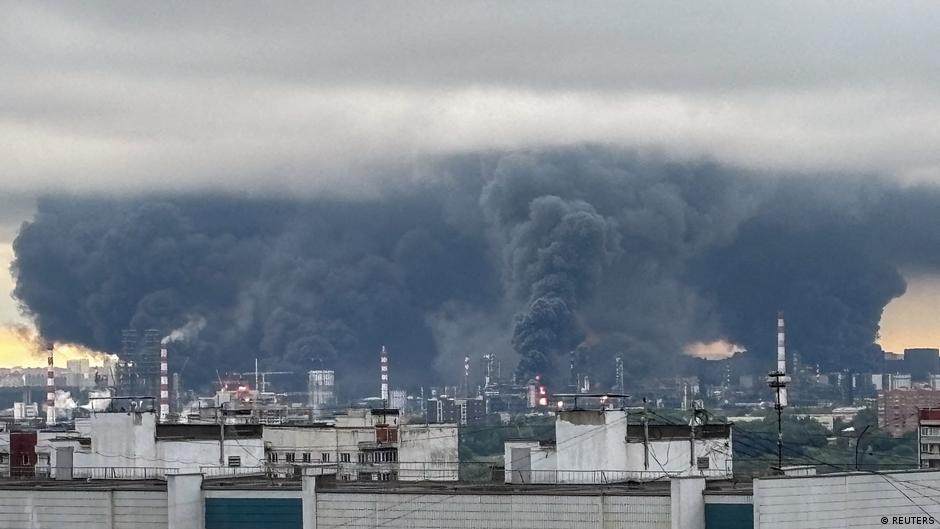
In the Zaporizhzhia region, a critical industrial target was attacked overnight, according to Ivan Fedorov, head of the local military administration. Ukrainian Air Force reports confirmed that the region was struck by Russian cruise air bombs. Similar strikes were recorded in Kharkiv, Sumy, and Donetsk regions. Additionally, Russian drones were observed over Kharkiv and Dnipropetrovsk areas, signaling continued offensive operations.
"Despite a unilateral ceasefire by Ukraine, Russian military operations have persisted, underscoring the fragile and contested nature of ceasefire attempts in this conflict."
Ukrainian authorities have not publicly commented on these recent attacks. However, President Zelensky previously pledged to respond in kind should Russian strikes continue.
Victory Day Truce and Strategic Messaging
The Russian government, following President Vladimir Putin’s directive, declared a unilateral truce to commemorate Victory Day, a significant historical holiday marking the end of World War II in Europe. The Ministry of Defense emphasized that any Ukrainian attempt to disrupt these celebrations would trigger a "massive retaliatory missile strike on central Kyiv." This threat reflects the intersection of military operations with symbolic and propagandistic objectives.
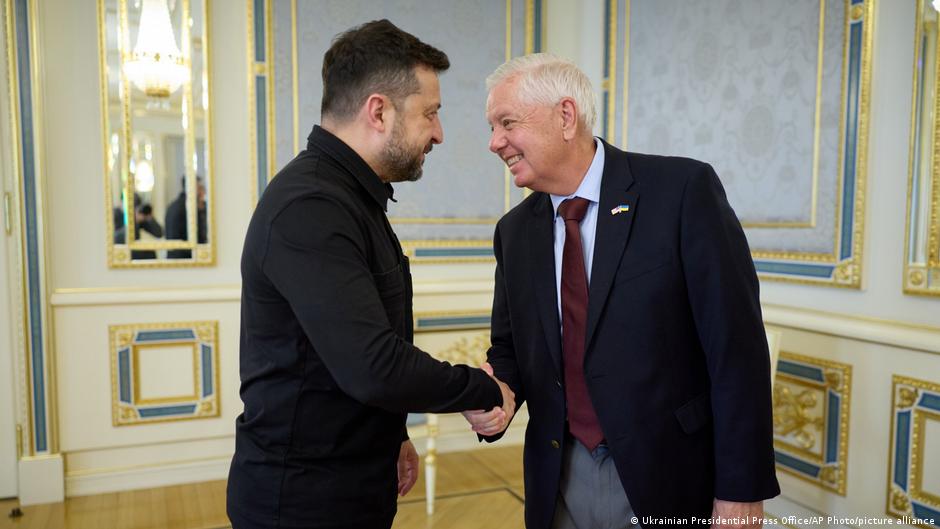
In response, Zelensky emphasized the primacy of human life over symbolic dates and expressed Ukraine's willingness to honor a ceasefire from midnight May 6, contingent on Russia reciprocating. Kirill Budanov, head of the Ukrainian presidential office, affirmed that Kyiv remains open to maintaining the ceasefire if Russia ceases hostilities.
Historical Context and Economic Implications
Victory Day holds deep historical and emotional significance in Russia, commemorating the Soviet victory over Nazi Germany. Putin’s unilateral truce announcement can be viewed both as a gesture towards international norms and as a strategic move to consolidate domestic support through patriotic symbolism.
This dynamic illustrates the complex interplay between military strategy and political messaging. The continuation of hostilities despite the ceasefire announcement signals the challenges of conflict resolution amidst entrenched geopolitical tensions.
From an economic perspective, ongoing attacks on industrial and civilian infrastructure exacerbate Ukraine's already severe economic disruption. Key industrial hubs, such as those in Zaporizhzhia, are critical for Ukraine's manufacturing and energy sectors. Damage to these facilities hampers economic recovery prospects and deepens humanitarian crises.
Additionally, the persistent strikes impose further unpredictability on regional markets and investment climates, complicating reconstruction efforts. The dual nature of military actions intertwined with symbolic gestures underscores the broader structural challenges facing Ukraine’s economy during wartime.
Looking Ahead: Ceasefire Prospects and Structural Impact
The brief window of the proposed ceasefire reveals the fragility of conflict de-escalation efforts. As Russian and Ukrainian authorities engage in parallel narratives—one emphasizing symbolic peaceful observance, the other continuing military pressure—the prospects for lasting ceasefire remain uncertain.
Long-term economic consequences depend heavily on the cessation of hostilities and the restoration of stable governance over contested regions. Until then, Ukraine faces sustained infrastructural damage, population displacement, and strained economic resources.
Understanding these developments requires viewing the conflict not only through immediate military events but also through the lens of their historical symbolism and economic ramifications.