Hungarian PM Orban Declines Parliamentary Mandate Amid Political Transition
Outgoing Prime Minister Viktor Orban refuses his parliamentary seat, signaling a strategic shift as Hungary's new government prepares to take office.
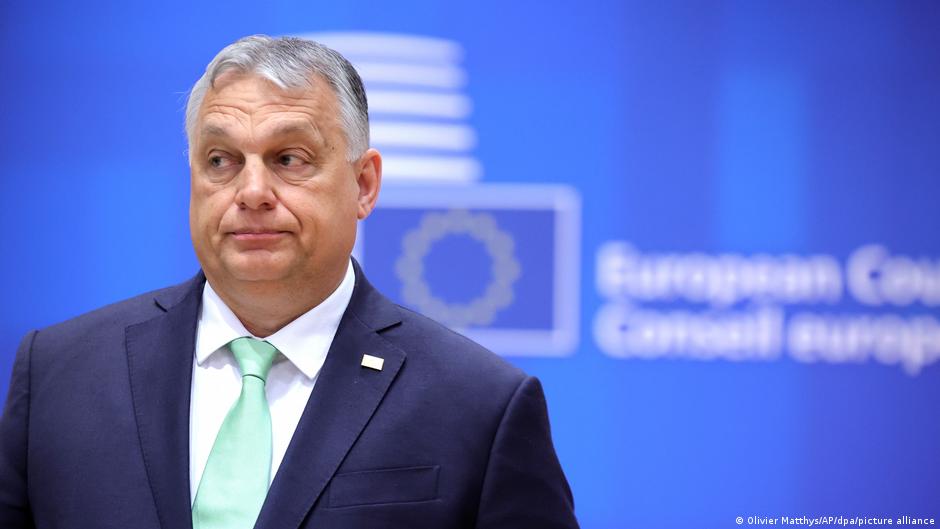
Viktor Orban, Hungary's long-serving Prime Minister who recently lost parliamentary elections, has announced he will not assume his seat in the newly formed National Assembly. Instead, Orban intends to focus on reorganizing his political movement rather than participating as a legislator.
In a statement released on his social media channels on April 25, Orban explained that his parliamentary mandate, received as the leading candidate of the Fidesz-Christian Democratic People's Party (KDNP) coalition, effectively belongs to the Fidesz party. Declining the seat reflects his desire to concentrate on broader party strategy rather than parliamentary duties.
Leadership Reconfiguration and Political Implications
Orban indicated that his successor as head of the Fidesz-KDNP parliamentary faction will be Gergely Gulyas, formerly chief of the Prime Minister's Office. Despite stepping back from legislative duties, Orban emphasized his intention to remain party chairman, a matter slated for discussion at the party congress in June.
"Now I am needed not in parliament, but for the reorganization of the national movement," Orban stated.
The shift comes as Peter Magyar’s newly victorious conservative party, Tisza, prepares to assume government leadership. Magyar is scheduled to be appointed Prime Minister on May 9 and has promised to revise several policies enacted under Orban’s administration.
Key policy reversals include halting Hungary’s withdrawal from the International Criminal Court (ICC), a process initiated by Orban in reaction to the ICC’s 2024 arrest warrant against Israeli Prime Minister Benjamin Netanyahu. Despite the warrant, Orban welcomed Netanyahu to Budapest in April 2025, asserting Hungary would ignore the ICC order and exit the institution.
Additionally, Magyar has signaled a pragmatic shift in Hungary’s stance on European Union (EU) sanctions and financial aid related to the Russia-Ukraine conflict. Unlike Orban, who hindered EU credit disbursements to Ukraine, Magyar intends to cease blocking a €90 billion EU credit package to Ukraine after Ukraine resumed Russian oil imports via the Druzhba pipeline. However, Magyar clarified that Hungary would not directly participate in funding Ukraine.
Geopolitical Realignments and Economic Consequences
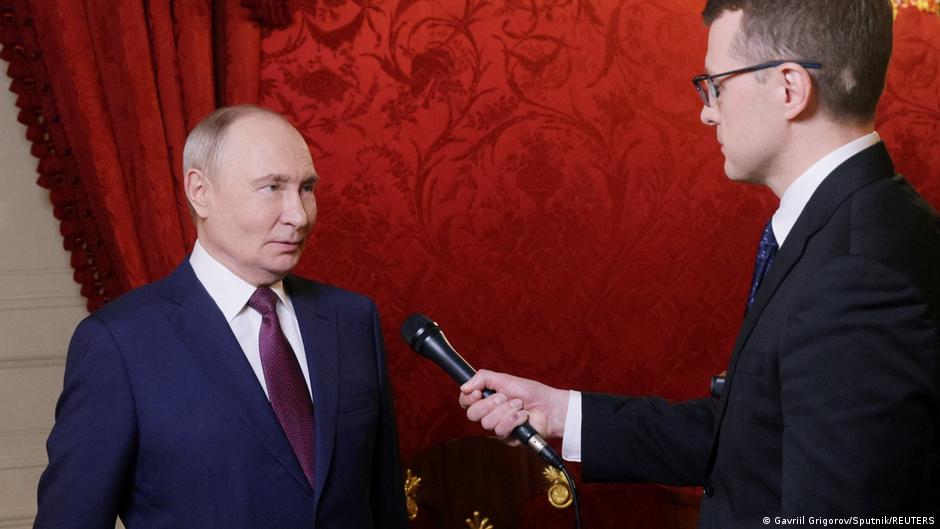
Orban's tenure was marked by close ties to both Russian President Vladimir Putin and Israeli leadership, often pursuing policies at odds with broader EU consensus. His maintenance of relations with Moscow, including visits after Russia’s full-scale invasion of Ukraine, highlighted Hungary’s unique geopolitical stance.
Reports suggested Russian political technologists sought to assist Orban’s campaign efforts before the election, aiming to narrow the gap with Magyar’s Tisza party, yet these measures failed. Following Magyar’s election victory, Kremlin spokesperson Dmitry Peskov refrained from congratulating the new Prime Minister, labeling Hungary a "hostile country," though expressing hope for "pragmatic contacts" going forward. Magyar himself advocates maintaining diplomatic ties with Russia.
The transition signals potential recalibration in Hungary’s foreign policy and economic alignments. Magyar’s readiness to reverse Orban’s more confrontational policies toward EU institutions may reintegrate Hungary more fully into EU frameworks, particularly regarding sanctions and economic support related to the ongoing conflict in Ukraine.
Economically, Hungary’s shift may impact EU financial flows, energy imports, and geopolitical risk assessments in Central Europe. The resumption of Russian oil transit through Hungary, coupled with acceptance of EU loans for Ukraine, represents a nuanced balancing act between economic interests and political alliances.
Orban’s withdrawal from parliament but retention of party leadership suggests an ongoing influence over Hungary’s political direction, even as day-to-day governance passes to Magyar’s new administration. The unfolding developments will bear close watching for their broader implications on regional stability and European economic integration.