Ryanair to Close Berlin Base Amid Rising Aviation Taxes and Operational Costs
Ryanair announces closure of its Berlin base and halving flights due to Germany's increasing aviation taxes and fees.
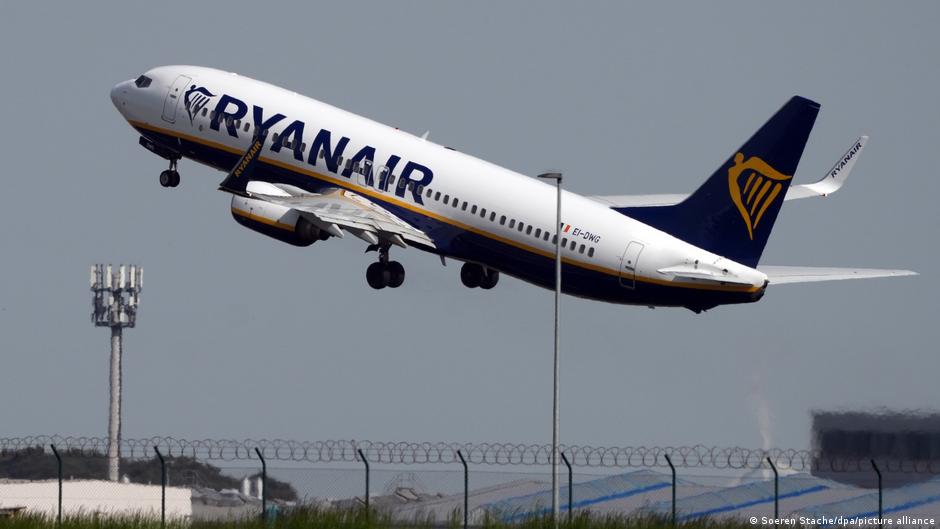
Ryanair, the Irish low-cost carrier, has announced plans to close its operational base at Berlin Brandenburg Airport by October 2026, citing Germany's escalating aviation taxes and airport fees as key reasons behind the decision. The closure will involve withdrawing all seven aircraft currently stationed in Berlin and cutting flights to the German capital by 50%, reducing annual passenger numbers from 4.5 million to approximately 2.2 million.
Economic Pressures on Budget Airlines and Structural Implications
The airline’s decision reflects broader structural challenges within Germany's aviation sector, where rising operational costs have begun to undermine the viability of low-cost carriers. Ryanair has attributed the move to an environment that has become "too expensive for budget airlines," highlighting a series of tax and fee increases that have compounded since 2019.
Specifically, Ryanair points to a 10% planned increase in airport charges at Berlin Brandenburg Airport between 2027 and 2029, on top of a 50% rise in these charges since the Covid-19 pandemic despite a 30% drop in passenger traffic—from 36 million in 2019 to 26 million in 2025. This trend is illustrative of the financial pressures facing airports, which have sought to recoup pandemic-related losses through higher fees, further squeezing airlines operating on thin margins.
Moreover, aviation taxes have nearly doubled since 2019, rising from €7.30 to €15.50 per passenger. Security fees are also set to double between 2024 and 2028, increasing from €10 to €20 per passenger. Air traffic management charges have similarly climbed from €1 to €3.30. These layers of taxation and fees collectively impose significant cost burdens that budget carriers like Ryanair find increasingly unsustainable in Germany.
"The German aviation sector is in crisis. The government acknowledges its lack of competitiveness but has no strategy to reduce aviation taxes or high airport charges," said Eddie Wilson, CEO of Ryanair DAC.
Ryanair’s strategic pivot involves relocating its Berlin-based aircraft to airports in countries with lower or abolished aviation taxes, including Sweden, Slovakia, Albania, and Italy. This realignment aims to optimize cost efficiency and maintain growth across Ryanair's European network, where it plans to accelerate passenger volume and job creation.
The move is part of a recent pattern; since 2019, Ryanair has closed bases in Frankfurt, Düsseldorf, and Stuttgart, and discontinued all flights to Dresden, Leipzig, and Dortmund. The cumulative effect signals a reshaping of Europe's low-cost aviation landscape, driven by regulatory environments and cost structures that vary considerably between countries.
Berlin Brandenburg Airport representatives have contested Ryanair's claims, stating that the airport has not approved the level of fee increases cited by the airline. Negotiations between the parties are currently ongoing, reflecting the tensions between airport operators seeking revenue recovery and airlines striving for cost containment.
From a labor perspective, Ryanair has indicated it will initiate consultations with affected staff, assuring that flight crew members will have opportunities to transfer within the airline’s broader European network.
Historical and Structural Economic Context
Ryanair’s decision underscores a recurring theme in European aviation economics: the delicate balance between government policy, airport financing, and airline profitability. Historically, budget airlines have thrived by leveraging low operational costs, aggressive pricing, and access to secondary or lower-cost airports. However, as airports pursue higher fees to offset capital expenditures and financial shortfalls amplified by the Covid-19 pandemic, this model faces increasing strain.
The German case is particularly instructive given the country’s traditionally heavy regulatory framework and higher tax regime compared to some other European markets. The rising costs erode the competitive advantage that low-cost carriers have, potentially leading to reduced connectivity and higher prices for consumers. This outcome may also slow the growth of the aviation sector, with knock-on effects for tourism, business travel, and regional economic development.
In the wider context, Ryanair’s move may spark policy debates in Germany and the EU about the sustainability of aviation tax regimes, infrastructure funding mechanisms, and the strategic importance of maintaining a competitive aviation sector in a post-pandemic world.