Disinformation and Geopolitics: The Fake BBC Report on Cezanne’s Stolen Painting in Zelensky's Office
A fabricated news segment falsely claiming possession of a stolen Cezanne painting by Ukraine’s president reveals complex disinformation tactics by Russian-linked networks.
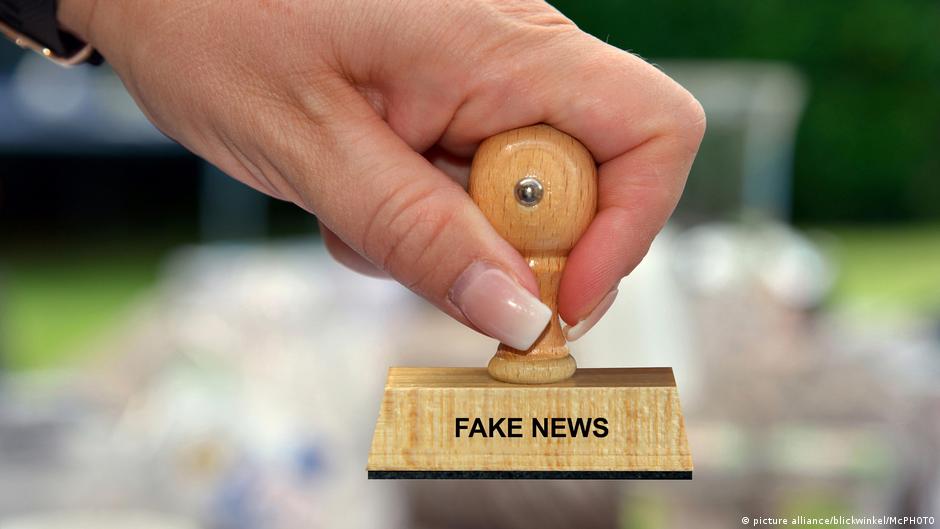
In April 2024, false reports circulated online asserting that a stolen painting by Paul Cézanne, "Still Life with Cherries," was found in Ukrainian President Volodymyr Zelensky’s office. The purported video bore the BBC News logo, lending it an appearance of authenticity. However, the British broadcaster confirmed no such report was produced, exposing the video as a sophisticated forgery.
Disinformation as a Weapon in Geopolitical Conflict
This incident exemplifies the growing use of disinformation campaigns as strategic tools amid the ongoing geopolitical tensions surrounding Ukraine and Russia. Investigations by France 24 and Euronews traced the origin of the fabricated story to social media accounts linked to a disinformation network identified as "Storm-1516," reportedly associated with Russia's military intelligence agency, the GRU.
"This network, active for over three years, has orchestrated numerous disinformation operations targeting Western countries, including France," noted reports from watchdogs like the French state agency Viginum.
The spread of the fake segment was rapid and widespread; one social media profile alone accumulated over 400,000 views within hours. The aim appears to be the deliberate manipulation of public perception by assigning illicit activities to Ukraine’s leadership, thereby undermining international support and sowing distrust.
Further analysis revealed that the actual art hanging in President Zelensky’s office are works by Ukrainian artist Andriy Chebotaru, which starkly contrasts with the false claim centered on the Cézanne masterpiece.
In addition to "Storm-1516," Euronews identified the pro-Kremlin misinformation network "Matryoshka" as another actor amplifying these narratives. These overlapping networks engage in sophisticated information warfare that exploits credible media branding, making detection and response more challenging.
Historical Parallels and Economic Consequences
The strategic deployment of disinformation echoes Cold War-era propaganda, albeit now accelerated by digital platforms. Such campaigns serve not only to tarnish reputations but also to destabilize economic and political institutions by eroding trust.
For Ukraine, a country heavily dependent on international aid and investment amidst conflict, the repercussions are profound. Public doubts fueled by false narratives can affect diplomatic relations and economic partnerships crucial for reconstruction and development.
Moreover, these operations illustrate the evolving nature of hybrid warfare, where information manipulation complements traditional military actions. The economic fallout extends beyond Ukraine, as Western governments may recalibrate their support policies in response to distorted public sentiment and perceived risks.
In this context, understanding the mechanisms and impacts of such disinformation campaigns becomes essential for policymakers and analysts striving to maintain geopolitical stability and economic resilience.