Hungary’s Parliament Limits Prime Minister Terms to Two Four-Year Periods
New constitutional amendment bars former PM Viktor Orbán from returning after serving five terms.
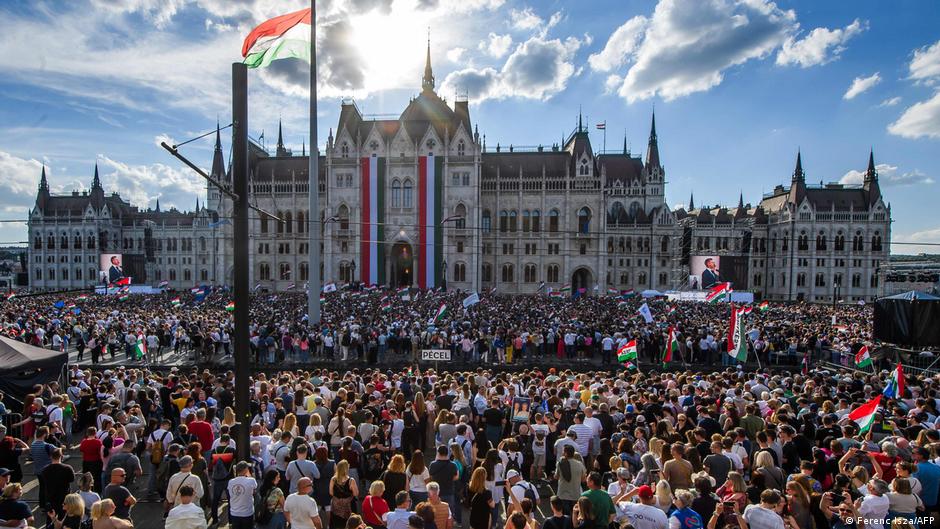
On June 15, the Hungarian Parliament approved a constitutional amendment limiting the tenure of the prime minister to two terms of four years each. This legislative change effectively prevents former Prime Minister Viktor Orbán from returning to office, as he has already served five terms since 1990.
Context and Implications of the Term Limit Reform
The amendment received support from 134 members of Parliament, with 50 opposing and six abstaining. The new rule applies retroactively to all individuals who have held the prime minister position since 1990, establishing a clear cap on the accumulation of executive power in Hungary.
This reform was a key campaign promise of Péter Magyar, who became prime minister following the parliamentary elections on April 12. Magyar asserted that the introduction of term limits would help prevent the excessive concentration of power in a single individual’s hands, a concern raised during Orbán’s long tenure.
“Limiting the prime minister’s term will ensure a healthier democratic balance and prevent power consolidation,” said Péter Magyar during the post-election period.
The amendment drew a clear partisan divide: Magyar’s party, Tisa, backed the reform, while Orbán’s Fidesz party opposed it. This political split underscores the broader contest over democratic norms and institutional checks in Hungary’s evolving political landscape.
Orbán’s five consecutive terms, spanning over three decades, have been marked by significant political and economic transformations, including centralization of authority and controversial reforms. The imposition of term limits represents a structural shift aimed at resetting the balance of political power and introducing a new mode of governance.
From an economic perspective, leadership stability has historically played a dual role in Hungary. On one hand, Orbán’s prolonged leadership provided policy continuity during times of regional economic integration and challenges within the European Union. On the other hand, concerns about governance concentration have raised questions about long-term institutional quality and economic competitiveness.
The introduction of term limits aligns Hungary with broader European democratic standards that emphasize rotation in leadership and checks on executive power. However, the practical impact on economic policy direction and international relations remains to be seen, especially given the entrenched political influences and existing institutional frameworks.
Historically, constitutional limits on executive tenure have been used in various countries to curb authoritarian tendencies and promote democratic renewal. Hungary’s move can be viewed within this global context as an attempt to prevent political stagnation and encourage political pluralism.
As Hungary navigates this new constitutional landscape, the economic community will be closely monitoring how these political reforms influence policy stability, investor confidence, and Hungary’s role within the European economic sphere.