IRGC Claims Tanker Attack Near Strait of Hormuz Amid Rising Maritime Tensions
Iran's Islamic Revolutionary Guard Corps vows to continue blocking unauthorized vessel passages through the strategic Strait of Hormuz.
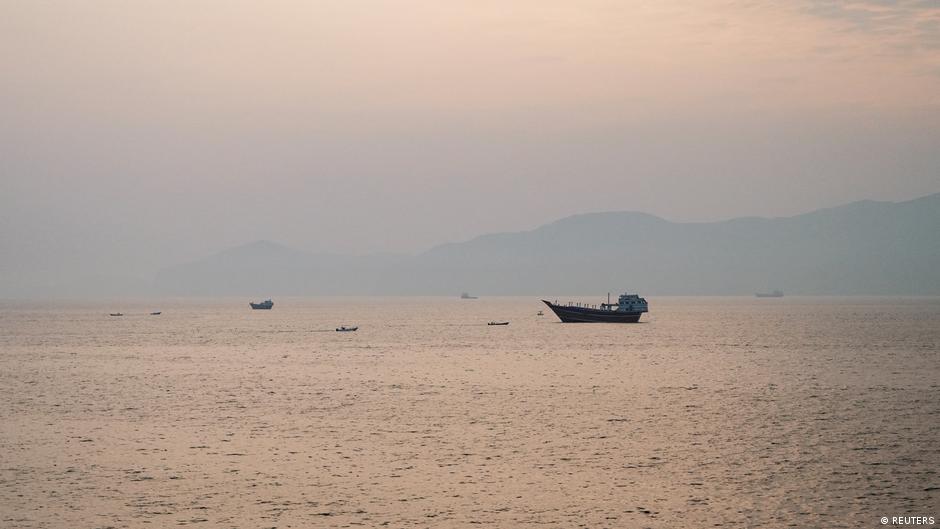
On July 23, Iran's Islamic Revolutionary Guard Corps (IRGC) announced that a tanker carrying oil was damaged by a mine in the Strait of Hormuz after attempting to cross the waterway without Tehran's approval. This latest development escalates ongoing maritime tensions in one of the world's most strategic oil transit chokepoints.
Strategic Significance and Escalating Maritime Conflict
The Strait of Hormuz, a narrow passage connecting the Persian Gulf to the Gulf of Oman and the Arabian Sea, is essential for global energy supplies. Approximately one-fifth of the world’s petroleum passes through this strait, making control over its maritime traffic a powerful geopolitical tool.
According to IRGC statements, three oil tankers, allegedly influenced by the US military, attempted to navigate a route south of the Strait that was heavily mined. After one tanker exploded and caught fire, the other two vessels reportedly turned back. The IRGC has pledged to maintain this maritime blockade as long as they perceive ongoing "aggressive actions" by the United States in the region.
"Any vessel attempting to cross the strait without coordination with Iran will face the same fate as the damaged tanker," the IRGC declared.
These actions contribute to an already fraught security environment, which has seen at least 45 vessels attacked during recent hostilities between the US, Israel, and Iran. However, the current incident involving the tanker Kavomaleas, owned by Greek shipping magnate Georgios Prokopiou, marks only the third confirmed ship seizure by Iran since the conflict began.
The Kavomaleas Incident: A Case Study in Maritime Risk
Financial Times reported that the Kavomaleas departed Oman bound for the Persian Gulf, carrying over 500,000 barrels of oil. On July 19, it sustained two missile strikes, causing a fire in the engine room and forcing the crew's evacuation. Satellite imagery from the European Space Agency on July 21 showed the damaged vessel being towed into Iranian territorial waters near Larak Island, with visible smoke emanating from its engine section.
Further complicating the situation, Dynacom, the company that owns Kavomaleas, has denied authorizing any recent movements of the tanker and is currently investigating its whereabouts.
This incident underscores the fragile nature of maritime operations in contested waters and highlights the broader economic consequences of geopolitical friction. With Iran signaling its intent to strictly control passage through the Strait of Hormuz, global oil markets face increased risks of supply disruptions, impacting energy prices and international trade flows.
Historical Parallels and Economic Implications
The current standoff echoes previous episodes where regional powers have leveraged control over chokepoints to influence global politics and economics. For example, the 1980s Tanker War during the Iran-Iraq conflict saw repeated attacks on shipping in the Persian Gulf, significantly raising insurance premiums and rerouting costs.
Today, renewed threats to secure maritime routes could trigger similar market volatilities. Oil-dependent economies and global supply chains may face elevated uncertainty, prompting shifts in strategic reserves and alliances. Additionally, insurance costs for shipping companies operating in these waters are likely to surge, further increasing the cost of energy transport.
International stakeholders must closely monitor these developments, as prolonged disruptions could accelerate diversification efforts away from Persian Gulf oil or spur diplomatic engagements to de-escalate tensions.