Italian Foreign Minister Cancels U.S. Visit Amid Diplomatic Rift with Trump
Antonio Tajani cancels June U.S. trip following President Trump's disparaging remarks about Italy’s Prime Minister Giorgia Meloni.
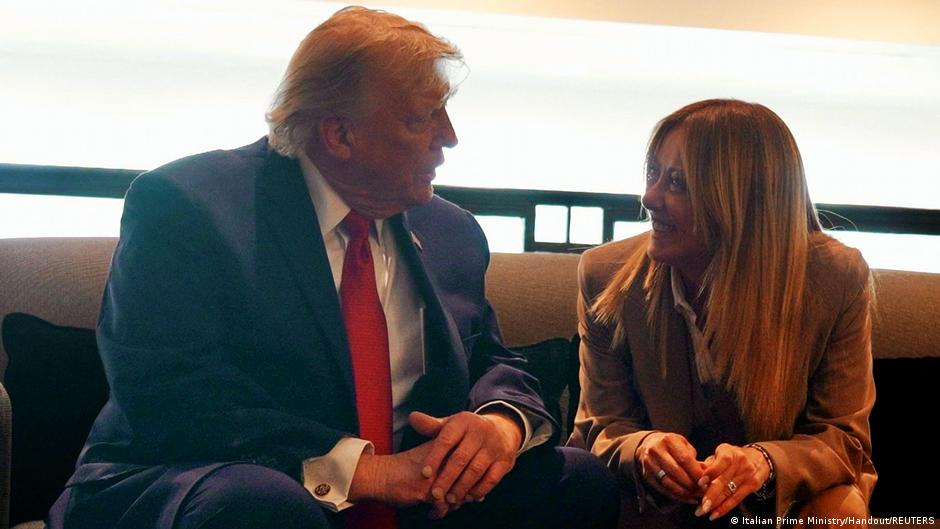
The recent diplomatic tensions between Italy and the United States have escalated after Italian Foreign Minister Antonio Tajani announced the cancellation of his scheduled visit to the U.S. in response to disparaging comments made by former President Donald Trump regarding Italy’s Prime Minister Giorgia Meloni. This incident exposes deeper undercurrents in the Italy-U.S. relationship, raising questions about the long-term implications for transatlantic alliances and economic cooperation.
Backdrop of the Controversy
Antonio Tajani was set to visit the United States on June 21-22 to participate in the Italo-American Forum in Miami, a key event for business, investment, science, and innovation collaboration. A meeting with U.S. Secretary of State Marco Rubio was also on the agenda. However, following Trump’s comments portraying Meloni as having "begged" to take a photo with him during the G7 summit in Évian-les-Bains, Tajani declared the remarks "serious and offensive" and canceled his trip.
"Serious and offensive statements by President Trump about Prime Minister Meloni are an insult to all of Italy," Tajani stated, emphasizing his decision as a matter of national dignity.
Meloni herself expressed shock and dismay at Trump’s characterization, highlighting a pattern of disrespect from the former U.S. president towards key allies. She criticized Trump’s inconsistent approach, noting his tougher stance on Western adversaries contrasted with his conciliatory attitude towards other global leaders. "Neither I nor Italy ever beg," Meloni emphasized, reaffirming her country’s sovereignty and diplomatic resolve.
Historical and Economic Dimensions
This episode is not isolated but reflects a broader strain in Italy-U.S. relations dating back several months. Earlier in April, Trump openly criticized Pope Francis for advocating peace negotiations between warring nations, disparaging the Pope's foreign policy and moral authority. Meloni swiftly condemned Trump’s remarks as unacceptable, reinforcing Italy’s commitment to the Vatican’s peace efforts despite U.S. political friction.
Economically, the deterioration in high-level political rapport risks overshadowing ongoing cooperation in business and innovation. The Italo-American Forum aims to strengthen cross-border investments and scientific partnerships, vital for Italy’s economic positioning within the global market. Tajani’s withdrawal signals a pause in diplomatic engagement that may lead to delays or reassessments of joint economic initiatives.
Italy’s strategic role in the Mediterranean and its economic ties with the U.S. have historically been underpinned by mutual respect and shared geopolitical interests. However, the recent exchanges illustrate how personal rhetoric can disrupt established channels, potentially affecting investor confidence and bilateral trade dynamics.
Broader Implications for Transatlantic Relations
These events highlight the fragility of the transatlantic alliance amid shifting political landscapes and personalized diplomacy. The U.S.-Italy relationship, long a cornerstone of NATO cohesion and Western economic collaboration, now faces challenges from public confrontations and conflicting narratives between leaders.
Looking ahead, the episode underscores the importance of stable, respectful diplomatic communication to sustain economic partnerships. For Italy, maintaining a balanced foreign policy that safeguards both its national interests and multilateral ties is critical. For the U.S., reaffirming alliances with European partners remains essential amidst global geopolitical competition.
In sum, the cancellation of Tajani’s U.S. visit following Trump’s comments is more than a diplomatic spat—it signals potential structural shifts in economic and political cooperation between Italy and the United States, warranting close observation by policymakers and analysts alike.