Moscow’s May 9 Victory Day Parade Excludes Military Hardware Amid Operational Challenges
For the first time in years, Moscow’s Victory Day parade will proceed without military vehicles, reflecting shifting operational and security priorities.
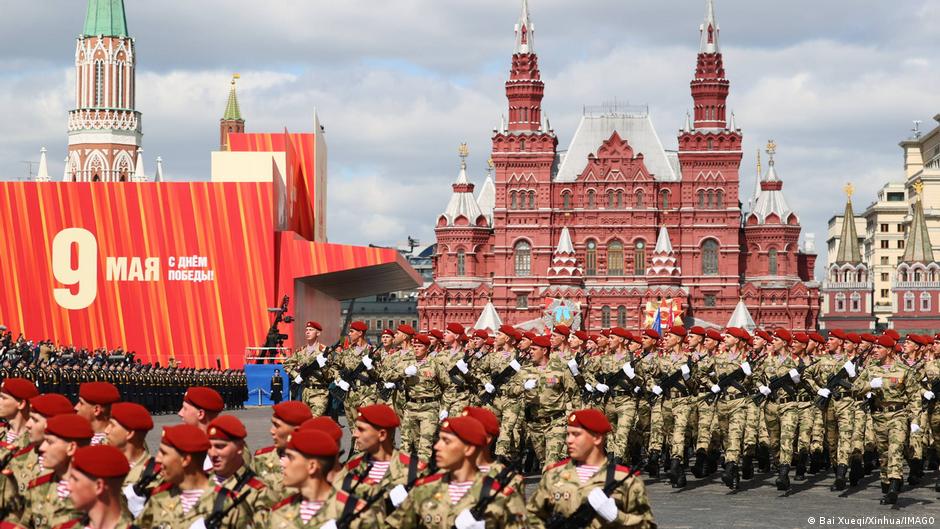
The traditional Victory Day parade in Moscow on May 9, 2026, will mark a significant departure from recent years: it will proceed without the participation of military hardware. The Russian Ministry of Defense announced this decision via its Telegram channel on April 28, citing the "current operational situation" as the primary reason. While combat aircraft will still fly over Red Square, no ground military vehicles or cadet formations from Suvorov and Nakhimov military schools will take part in the parade.
Operational Realities and Security Concerns Affecting Traditional Celebrations
This reduction in the scale and format of the parade is unprecedented since 2008, when military vehicles began to regularly participate in Victory Day celebrations. The move aligns with a broader pattern of scaled-back commemorations across Russia’s regions. Cities like Nizhny Novgorod, Saratov, Chuvashia, and the Kaluga region have canceled their May 9 mass events entirely, while Voronezh, Kursk, Bryansk, and Belgorod oblasts have called off their traditional fireworks displays, citing safety concerns.
These decisions reflect heightened security sensitivities amid ongoing military tensions. Ukrainian forces have recently targeted infrastructure within Russian territory, including critical oil export ports on the Baltic Sea and an oil refinery in Tuapse, increasing the perceived risk of public gatherings and large-scale military displays.
"The exclusion of military vehicles and cadet formations from the parade signals a recalibration of how Russia projects military power domestically amid evolving operational pressures."
Earlier in the spring, media reports and political analysts predicted a truncated parade format. Notably, unlike previous years, there were no rehearsals involving military hardware on Moscow’s streets at the end of April, reinforcing speculation about the changes.
Historical and Geopolitical Context of the Victory Day Parade
The Victory Day parade commemorates the Soviet Union’s triumph over Nazi Germany in World War II. In 2025, Russia marked the 80th anniversary of this victory with an extensive military display featuring over 10,000 troops—including contingents from North Korea—and nearly 200 pieces of military equipment ranging from vintage WWII-era vehicles to the latest weaponry.
That year’s parade attracted significant international attention, attended by Chinese President Xi Jinping and leaders from former Soviet republics, as well as representatives from Myanmar, Venezuela, Egypt, and others. The event underscored Russia’s strategic partnerships and the global political symbolism of the parade. Only one European Union and NATO member leader, Slovak Prime Minister Robert Fico, was present, alongside Serbian President Aleksandar Vučić.
Russian President Vladimir Putin, speaking at the 2025 parade, drew parallels between the historic Great Patriotic War and Russia’s current conflict in Ukraine, framing both as existential struggles against fascism.
Structural Economic Implications
The decision to omit military hardware from a high-profile national event has broader structural implications. Victory Day parades have traditionally served as both a demonstration of military capability and a tool for domestic political messaging. The absence of military vehicles suggests a potential shift in resource allocation priorities amid ongoing military operations and economic pressures.
Furthermore, the cancellation of regional events and public celebrations could have ripple effects on local economies, which often benefit from increased activity during national holidays. The increased focus on security also signals a tightening of public space and societal mobilization around defense concerns, which may impact broader economic and social dynamics.
As Russia navigates the operational challenges of its ongoing conflict and domestic security landscape, the evolving format of its most symbolic military celebration offers insight into its shifting strategic posture and the interplay between military realities and public morale.