Multiple Drone Alerts in Kyiv Highlight Russia’s Targeting of Ukraine’s Transportation Infrastructure
Nighttime drone incursions and missile threats underscore the strategic pressure on Ukrainian logistics and the escalating military tensions.
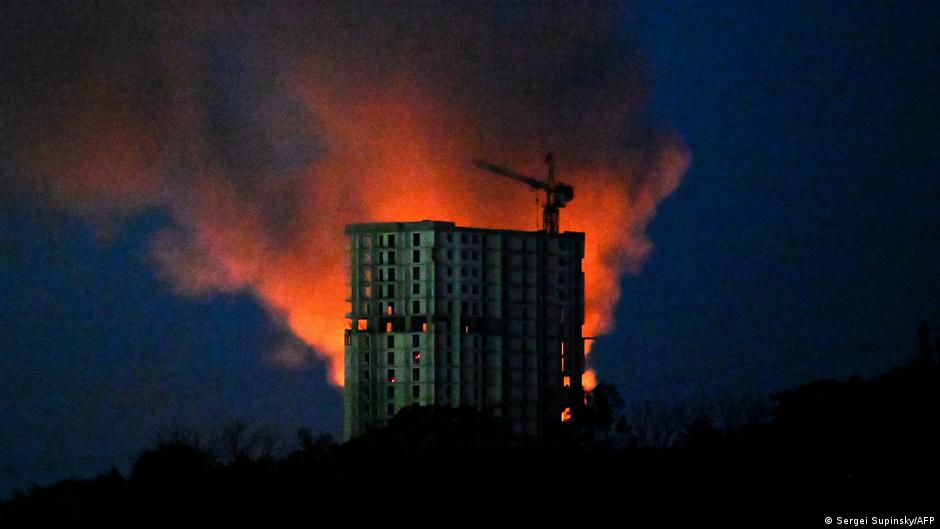
In the early hours of June 7, Ukrainian air defenses reported at least two separate air raid alerts in Kyiv due to the advancement of Russian unmanned aerial vehicles (UAVs). These drones were detected flying from the Chernihiv region towards Brovary in Kyiv Oblast, as well as from the east directly towards Kyiv, intensifying concerns over the security of Ukraine’s capital and its surrounding areas.
Escalation of Drone and Ballistic Threats
According to the Ukrainian Air Force, these hostile UAV flights were part of a broader pattern of Russian aerial attacks that night. Besides the multiple drone incursions targeting northern approaches to Kyiv, there was also a reported threat of ballistic missile launches originating from Bryansk, Russia. The simultaneous activation of air raid sirens extended to the Chernihiv, Sumy, Kharkiv, and Zaporizhzhia regions by 5:00 a.m. local time, underscoring the widespread nature of the threat across Ukraine’s northeastern and eastern territories.
In addition to drones, Ukrainian forces faced attacks using Russian guided bombs deployed by tactical aviation units targeting the Donetsk region, illustrating the diverse methods employed by Russian forces to disrupt Ukrainian defenses and infrastructure.
“Since early June, Moscow has intensified strikes on transport links between Kharkiv and Sumy, selecting critical logistics corridors near Bohodukhiv, approximately 20 kilometers from the border,” noted Sergei Beskrestnov, an adviser to Ukraine’s Defense Ministry and a specialist in radio technologies. “Unfortunately, the importance of these logistical attacks is recognized not only by us.”
Strategic Implications for Ukraine’s Economy and Security
The repeated drone incursions and targeted strikes on transportation networks signify a deliberate Russian strategy aimed at undermining Ukraine’s logistical backbone. The Kharkiv-Sumy corridor is vital for the movement of both military supplies and civilian goods. Disruptions here can have cascading effects on regional economies and the overall resilience of Ukraine’s war effort.
From an economic perspective, the degradation of transport infrastructure imposes immediate costs on supply chains and trade flows. It also increases the operational expenses for the Ukrainian government and businesses, which must adapt to damaged routes and heightened security measures. This form of asymmetric warfare places additional strain on Ukraine’s fiscal resources, already burdened by prolonged conflict.
Moreover, the psychological impact of night-time drone attacks and air raid sirens in populated regions contributes to social disruption and potential migration pressures, further complicating Ukraine’s economic recovery efforts.
International Diplomatic Developments Amid the Conflict
Amid this intensified military pressure, major European leaders are convening in London on the evening of June 7 for discussions with Ukrainian President Volodymyr Zelensky. German Chancellor Friedrich Merz, French President Emmanuel Macron, and UK Prime Minister Keir Starmer aim to coordinate efforts to end the war and explore prospects for new negotiations with Russia.
This diplomatic engagement reflects the recognition by European powers of the urgent need to address both the immediate security challenges and the long-term economic consequences of the war in Ukraine. Coordinated international support is critical for stabilizing Ukraine’s infrastructure and enabling sustained economic resilience during ongoing hostilities.
Conclusion
The nighttime drone incursions over Kyiv and the broader missile threats represent a clear escalation in Russia’s tactical approach, targeting key logistics and infrastructure nodes that underpin Ukraine’s defense and economy. The attacks illustrate the evolving nature of modern warfare where unmanned aerial systems and precision strikes are employed to exert pressure beyond the battlefield. Simultaneously, diplomatic efforts by European leaders underscore the complex interplay between military realities and economic imperatives in resolving this conflict.