NATO Signals Readiness to Defend Europe Amid Iranian Threats to Military Sites
NATO affirms strong deterrence posture following Iranian threats against military bases in Bulgaria and Cyprus.
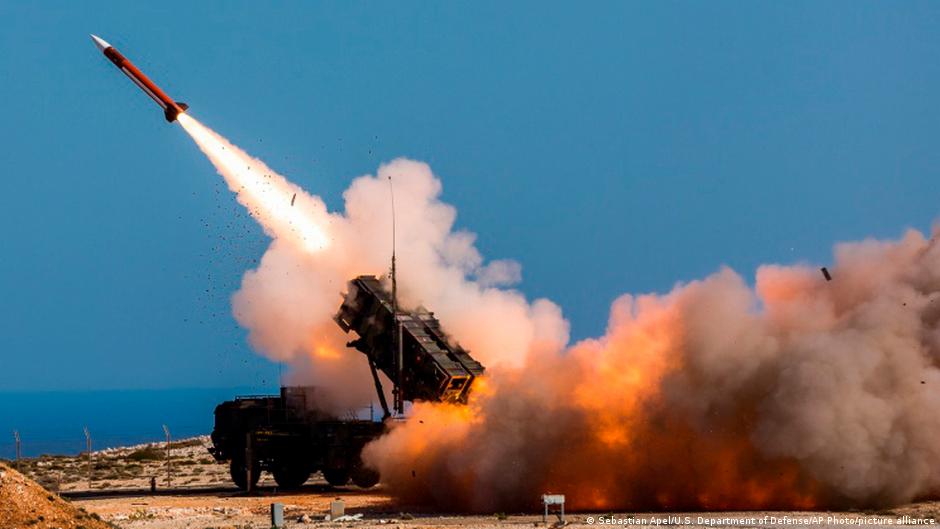
In response to media reports suggesting that Iran is contemplating strikes on military targets within Europe, the North Atlantic Treaty Organization (NATO) has issued a firm statement affirming its readiness to respond to any threats against its member states. The developments highlight rising tensions that have significant implications for European security and the broader geopolitical landscape.
Context of the Iranian Threats to European Military Installations
The reported Iranian threats specifically target military installations in Bulgaria and Cyprus, both hosts to Western airbases. Bulgaria has recently allowed the United States to utilize its airbase for refueling operations, while Cyprus hosts British airbases, making them strategically significant for NATO's operations and supply chains.
According to a confidential NATO official speaking to Reuters on August 19, the alliance's strategy of deterrence and defense remains robust and capable of addressing any emerging threats. This statement reflects NATO's commitment to uphold collective defense principles enshrined in the Washington Treaty, which obligates members to protect each other in the event of an attack.
Meanwhile, reports from The Financial Times indicated that Iran may escalate military actions if conflict with the United States intensifies, targeting European facilities linked to Western military operations. Furthermore, The New York Times cited sources revealing that Iran considered, but ultimately refrained from, targeting a Ukrainian port as retaliation for a strike by Ukrainian forces on an Iranian vessel in the Caspian Sea.
"Our deterrence and defense strategy is strong and effective," a NATO representative confirmed, underscoring the alliance's vigilance amid rising regional tensions.
Geostrategic Implications and Historical Parallels
The warnings from Tehran come amid a backdrop of escalating tensions in the Middle East, exacerbated by proxy conflicts and shifting alliances. NATO's readiness to respond demonstrates a continuation of its Cold War-era posture of collective defense but now complicated by the emergence of new regional actors wielding asymmetric capabilities such as missile strikes and proxy warfare.
Bulgaria's participation as a logistical hub for U.S. military operations is indicative of the expanding footprint of Western military infrastructure in Eastern Europe, a factor that Iran likely perceives as provocative. The targeting of Cyprus similarly reflects the broader contest over strategic Mediterranean footholds, echoing historical patterns of great power competition in this region.
Iran's broader regional confrontations also extend to the Persian Gulf, where a recent escalation involved accusations from the United Arab Emirates (UAE) against Iran for missile launches targeting their maritime interests. The UAE has responded by suspending all trade and financial exchanges with Iran. Tehran, however, has denied involvement in these attacks.
Structural Economic Consequences for the Region
These military threats and retaliatory measures carry significant economic repercussions. The suspension of UAE-Iran trade impacts regional commerce and financial flows, with potential ripple effects on energy markets and shipping lanes critical to global trade. The threat of further escalation involving European military assets may also disrupt NATO's operational capabilities and affect defense budgets across member states, possibly prompting a reevaluation of military posture and expenditures.
Moreover, the instability risks complicating cooperation on broader economic initiatives such as energy diversification and infrastructure development within the region. As tensions persist, investors and businesses may face increased uncertainty, potentially slowing economic growth and integration in both the Middle East and Europe.
In sum, NATO’s firm response to Iranian threats underscores the enduring challenges of balancing deterrence and diplomacy in a complex, multipolar security environment. The situation calls for close monitoring of both military and economic dynamics as they evolve.