New Russian Night Strikes on Ukraine Hit Kyiv and Kharkiv Amid Ongoing Conflict
Russian missile and drone attacks caused casualties and damage in Kyiv and Kharkiv, highlighting escalating military and economic pressures.
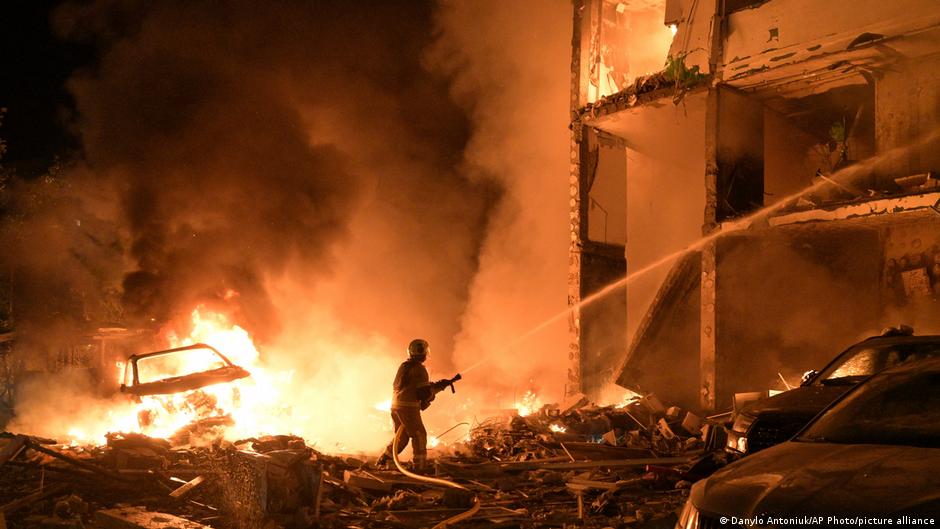
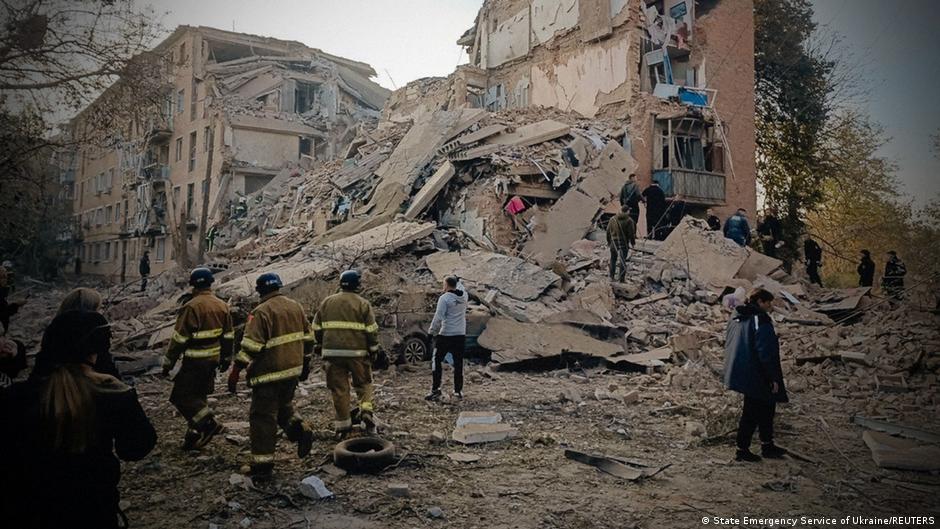
In the early hours of July 8, Russian forces launched a coordinated night attack across multiple Ukrainian regions, targeting key cities including the capital Kyiv and the eastern hub Kharkiv. The strikes involved ballistic missiles and unmanned aerial vehicles, resulting in explosions, fires, and civilian injuries.
Economic and Structural Impact of the Attacks
The growing intensity of such attacks not only inflicts immediate human suffering but also deepens the structural challenges facing Ukraine’s urban economies. In Kyiv, two civilians were wounded, with one hospitalized, while Kharkiv reported damage to over 20 private residences and essential infrastructure such as street lighting and vehicles. The destruction of warehouses and non-residential buildings further disrupts local supply chains and logistics.
“Damage to residential and commercial infrastructure exacerbates economic instability and complicates recovery efforts,” said analysts following the developments.
The continuous assault on civil infrastructure, particularly in industrial and residential districts, echoes historical patterns where prolonged conflict erodes urban centers’ economic resilience. The destruction of physical assets and interruptions to services can trigger long-term population displacement, labor market disruptions, and investment withdrawal.
Ukraine’s air defense reports intercepted ballistic launches from the north aimed at Kyiv, underlining the strategic targeting of the capital’s critical nodes. The persistent aerial threat compels ongoing resource allocation toward defense, diverting funds from economic development and post-war reconstruction initiatives.
Beyond immediate material damage, these incursions contribute to heightened investor uncertainty and escalate the costs of doing business in affected regions. As military engagements intensify, the prospects for economic stabilization dim, prolonging the socio-economic ramifications of the conflict.
Security officials emphasize that the multifaceted nature of these strikes—combining missile and drone tactics—reflects an evolution in military strategy that complicates defensive measures and amplifies civilian vulnerabilities.
Overall, the recent wave of attacks underscores the intersection of military conflict and economic destabilization, highlighting the urgent need for resilient urban infrastructure and comprehensive recovery planning to mitigate long-term consequences.