North Korea Advances Missile Capabilities with Recent Tactical and Cruise Rocket Tests
Pyongyang conducts tests of tactical ballistic, artillery, and precision cruise missiles amid ongoing military modernization efforts.
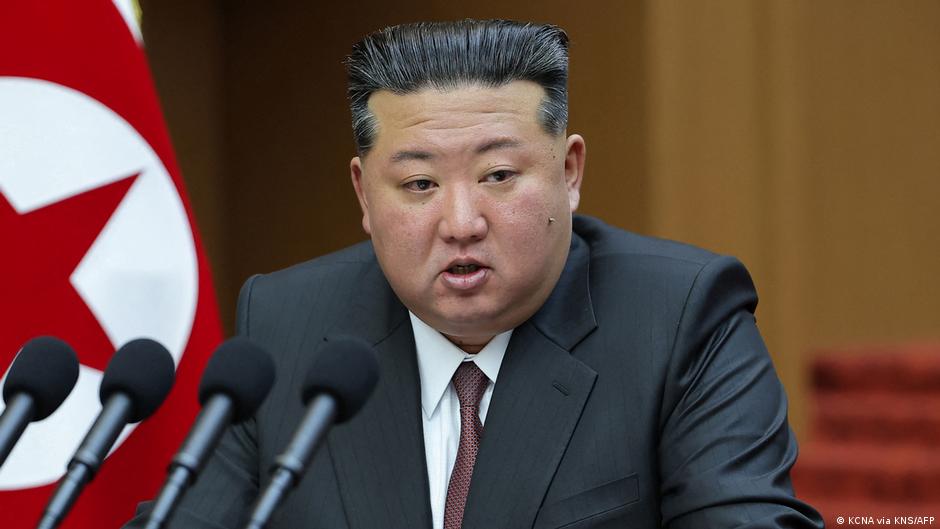
North Korea has recently conducted a series of missile tests involving tactical ballistic rockets, artillery rockets, and advanced precision cruise missiles. These tests, observed personally by Supreme Leader Kim Jong Un, are part of Pyongyang’s broader plan to modernize its armed forces and strengthen its military capabilities.
Strategic Context and Military Modernization
On May 26 and 27, North Korean state media reported successful launches of multiple missile types, including short-range ballistic missiles and high-precision cruise missiles. The launches were carried out from the Chonju area in North Pyongan Province, targeting the Yellow Sea. South Korean intelligence agencies corroborated these activities, noting the tests as part of ongoing preparations to enhance the range, precision, and lethality of North Korea’s rocket forces.
The missile tests are explicitly linked to North Korea's five-year national defense development plan, which aims to upgrade artillery and rocket units. The Korean Central News Agency (KCNA) cited Kim Jong Un expressing “great satisfaction” with the results and underlined the tests as a "clear signal" of growing military superiority and combat readiness.
"The successful deployment of these advanced missiles marks a significant leap in our ability to respond effectively to evolving security challenges," Kim stated.
Among the tested weapons, attention focuses sharply on the tactical cruise missile system. According to official reports, this missile integrates multiple navigation technologies, including terrain contour matching and artificial intelligence-based targeting systems. This sophisticated guidance enables the missile to strike targets within a 100-kilometer radius with exceptional accuracy, enhancing the strategic flexibility of North Korea’s long-range artillery units positioned near the southern border.
Economic and Structural Implications
North Korea’s missile development is not only a military signal but also an indicator of the regime’s strategic allocation of scarce economic resources. Despite international sanctions and chronic economic difficulties, Pyongyang continues to prioritize military modernization, a decision with profound economic trade-offs.
Historically, militarization in North Korea has been a double-edged sword: while it consolidates regime security and deters external threats, it detracts from investments in civilian infrastructure and economic development. This persistent emphasis on defense expenditure reflects the regime’s prioritization of regime survival over economic liberalization or growth, perpetuating a cycle of economic isolation.
The integration of artificial intelligence and advanced navigation systems in missile technology reflects a broader trend of technological adaptation under resource constraints. Such developments suggest an increasing sophistication in North Korea’s defense industry, potentially narrowing the technological gap with global powers despite limited access to international technology markets.
Furthermore, the geographical positioning of these advanced missile units near the southern border underscores an operational doctrine focused on deterrence and rapid response capabilities against South Korea and allied forces. This posture maintains high tensions in the region and complicates diplomatic efforts toward denuclearization and peace negotiations.
Historical Parallels and Regional Security Dynamics
This phase of missile testing draws parallels with previous periods of accelerated North Korean weapons development, notably the early 2000s and mid-2010s, when missile advancements coincided with heightened diplomatic crises. Each cycle has typically led to escalated sanctions and international condemnation but has also demonstrated Pyongyang’s resilience and strategic resolve.
The current tests reflect continuity in North Korea’s strategic doctrine: leveraging military capability enhancements as a tool of both deterrence and political signaling. However, the sophistication of the missile systems now underlines a shift toward more precise and flexible strike options, potentially altering the military balance on the Korean Peninsula.
For regional actors, these developments necessitate recalibrated defense strategies and underscore the importance of sustained diplomatic engagement, despite the challenges posed by North Korea’s military advancements.