Novorossiysk Drone Attack Sparks Fires at Fuel Oil Terminal and Housing Block
The reported strike on Russia’s Black Sea trade hub highlights the economic vulnerability of port infrastructure central to grain, oil and metals exports.
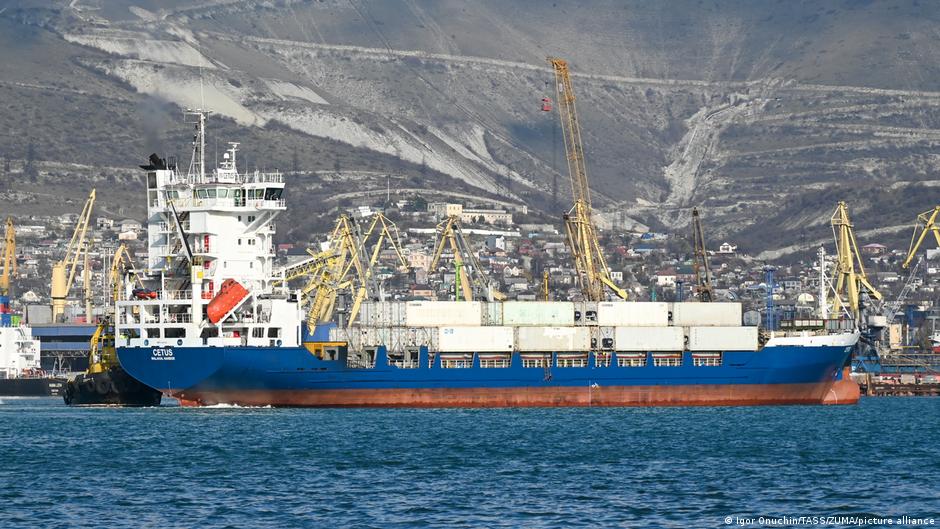
A drone attack on Novorossiysk triggered major fires overnight into Wednesday, September 9, according to Russian-language reports citing local officials and OSINT analysis. The incident affected both industrial and residential areas of a city that functions as one of Russia’s most important gateways to global markets.
Novorossiysk Mayor Andrei Kravchenko said on Telegram during the night that the city had been attacked using unmanned aerial vehicles. According to him, drone debris was known to have fallen on the premises of enterprises and near a residential building. Preliminary information indicated that there were no casualties, and emergency services were working to eliminate the consequences.
ASTRA, citing its OSINT analysis, reported that a fuel oil terminal was burning after the strikes. The outlet described the facility as one of the leading enterprises in the Novorossiysk transport hub, which forms part of Russia’s largest port. ASTRA also reported a fire in a residential apartment building on Volgogradskaya Street, while a witness filmed another blaze in the city.
According to preliminary information cited by the mayor, there were no casualties, while emergency services were dealing with the aftermath.
A Port With National Economic Weight
The importance of Novorossiysk lies not only in its size but in the composition of the cargoes that move through it. The city is one of the largest ports in Europe and a key hub for Russia’s foreign trade. Through Novorossiysk, Russia ships oil, metals, containerized cargo and a substantial share of its agricultural exports to world markets.
The port’s role in grain trade is especially significant. Up to one third of all Russian grain exports pass through Novorossiysk, a position explained by its proximity to the country’s main agricultural regions. That geography gives the port a structural advantage: it links inland production areas to Black Sea shipping routes with relatively efficient logistics, making it a central node in the export chain.
For an economy under pressure from wartime disruption, sanctions and shifting trade routes, such nodes carry value well beyond their physical footprint. A port terminal is not merely a storage or loading facility. It is a point where rail capacity, trucking, storage, customs, insurance, vessel scheduling and international buyers intersect. Damage or operational uncertainty at such a site can ripple through commercial contracts even when physical destruction is limited.
Echoes of Earlier Disruptions
The latest reports follow a pattern of intensified strikes on Novorossiysk. In August, an increase in attacks on the city caused noticeable disruptions in oil and grain shipments. That earlier disruption is economically relevant because it suggests that risks to the port are not isolated incidents but part of a recurring pressure point for Russian export logistics.
Historically, wartime pressure on port cities has often had economic effects disproportionate to the immediate damage. Ports concentrate strategic infrastructure, but they also concentrate expectations. Traders, insurers and shipping firms price not only what has already happened but what may happen next. If repeated attacks make scheduling less predictable, counterparties may demand risk premiums, reroute cargoes, delay loading windows or seek alternative supply chains.
In the case of Novorossiysk, alternatives may be costly. The port’s value rests partly on its proximity to agricultural regions and its integration into Russia’s broader export system. Moving grain, oil or metals through different routes can mean longer inland transport, tighter capacity constraints and higher logistical costs. Even temporary interruptions can therefore influence margins for exporters and timing for buyers.
The reported fire at a fuel oil terminal adds another layer to the economic significance of the attack. Fuel oil infrastructure is tied to energy exports, storage operations and the functioning of port-based industrial logistics. If such facilities are damaged or temporarily unavailable, the consequences can extend to loading schedules and the sequencing of cargo flows through the wider transport hub.
Structural Consequences for Trade
The central economic question is not only whether a single terminal or residential building sustained damage, but whether repeated attacks alter the reliability profile of the Novorossiysk hub. Russia’s export model depends heavily on large transport corridors that can move bulk commodities at scale. When those corridors are exposed, the risk is absorbed across a broad chain of actors: producers, transport companies, terminal operators, exporters, shipowners, insurers and foreign purchasers.
For grain markets, disruption at Novorossiysk matters because Russian grain exports are a major component of global supply. The source material does not report any new figures on shipment losses from the September 9 attack, and it would be premature to quantify the impact of this incident alone. But the fact that earlier August attacks caused noticeable disruptions in oil and grain shipments makes the latest event part of a broader pattern of vulnerability.
For oil and metals, the same infrastructure logic applies. Ports that handle diverse cargoes can experience congestion effects when one segment is disrupted. A fire, emergency response operation or heightened security regime may slow movement across adjacent facilities even if those facilities are not directly hit. In heavily used export hubs, time lost at one point in the system can quickly become a scheduling problem elsewhere.
The residential fire reported by ASTRA also underscores the urban dimension of attacks on dual-use economic centers. Novorossiysk is not an isolated industrial zone; it is a city where port infrastructure, enterprises and housing exist in proximity. Drone debris reported near a residential building, and a fire in a multi-apartment building on Volgogradskaya Street, show how risks to trade infrastructure can overlap with civilian exposure.
From an economic perspective, the attack reinforces a broader wartime reality: infrastructure security has become a variable in export performance. For Russia, Novorossiysk remains a key gateway to international markets. For global buyers, it remains a source of grain, oil, metals and containerized goods. But repeated strikes raise the possibility that one of Europe’s largest ports may operate under a higher and more persistent risk premium than before.