Kharkiv Educator Dies in Russian-Annexed Crimea After Detention
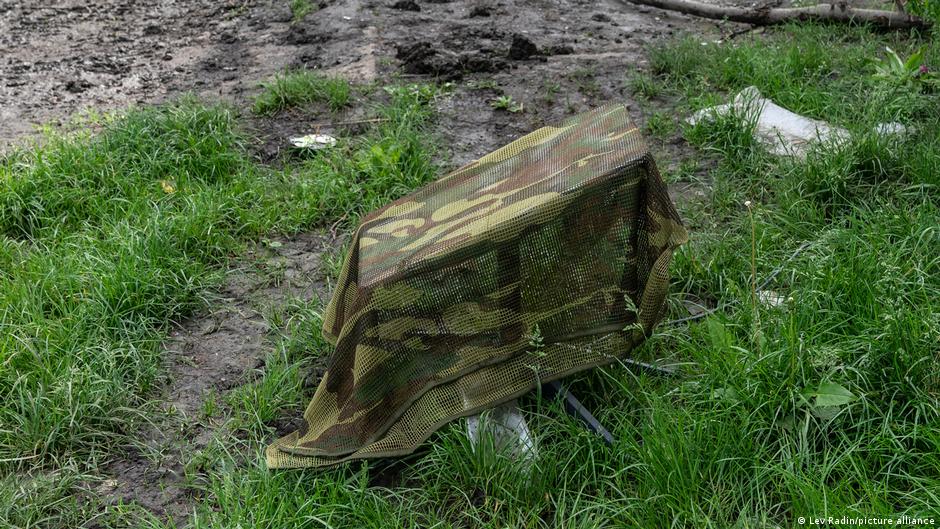
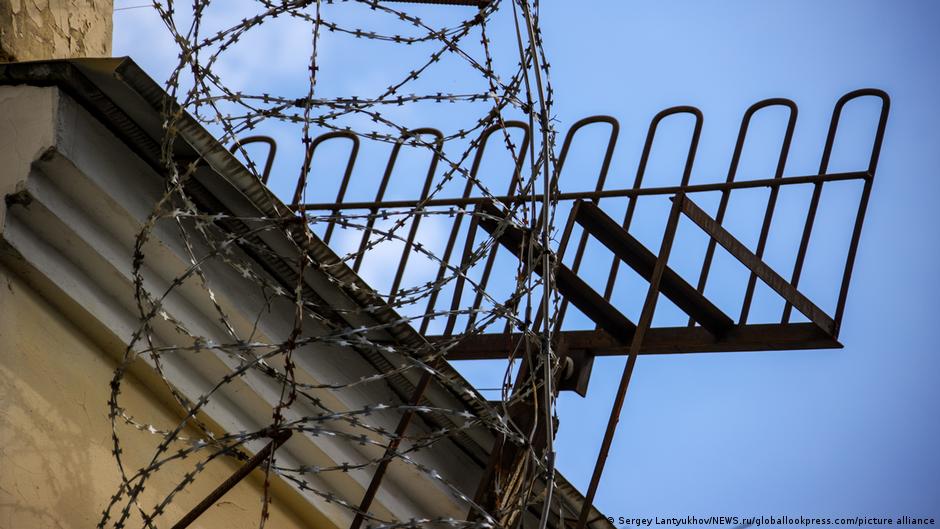
The death of Kharkiv educator Alexandra Kazarovitskaya in Crimean detention underscores the wider costs of repression for families, property and human capital.

The death of Kharkiv educator Alexandra Kazarovitskaya in Crimean detention underscores the wider costs of repression for families, property and human capital.

Germany plans an extra €100 million for Ukrainian generators, energy storage, infrastructure repairs and winter preparation at 2,000 schools and kindergartens.

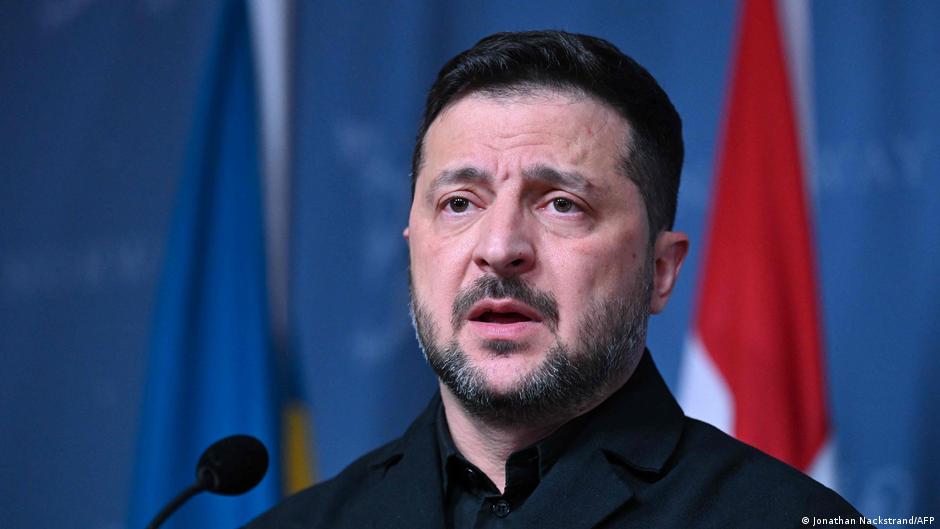
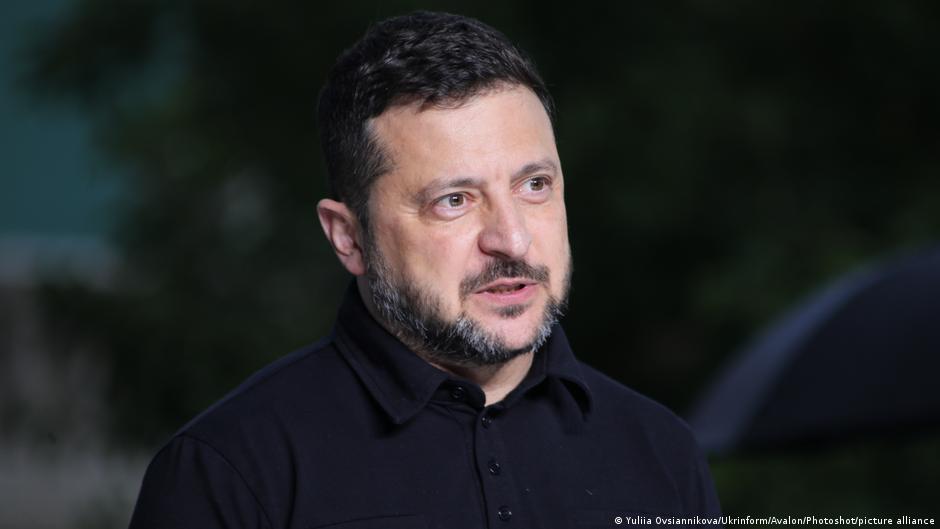
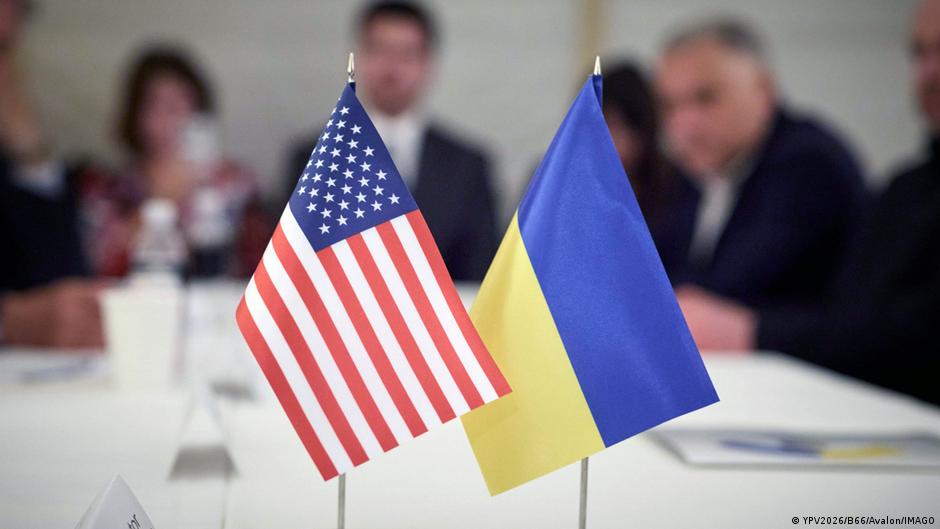
Zelensky expects Democratic control of Congress to expand US military and financial support for Ukraine and reinforce transatlantic coordination.

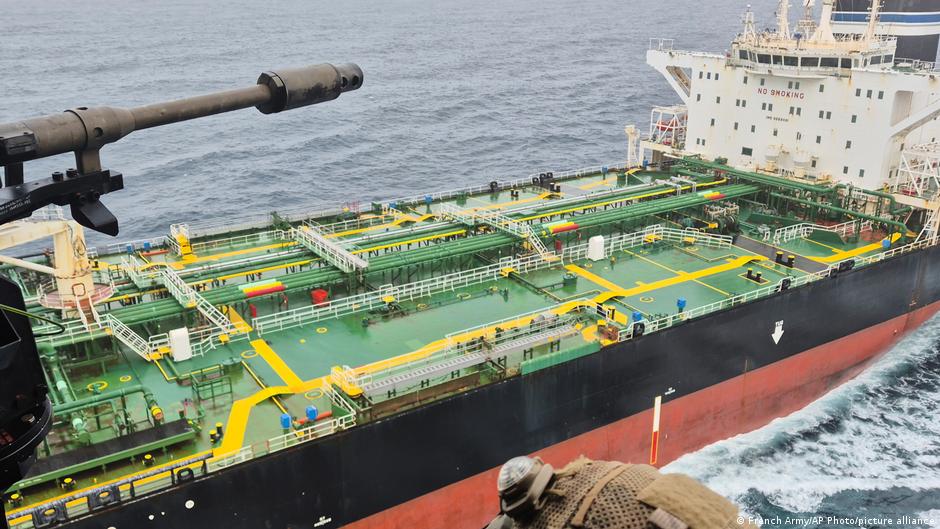
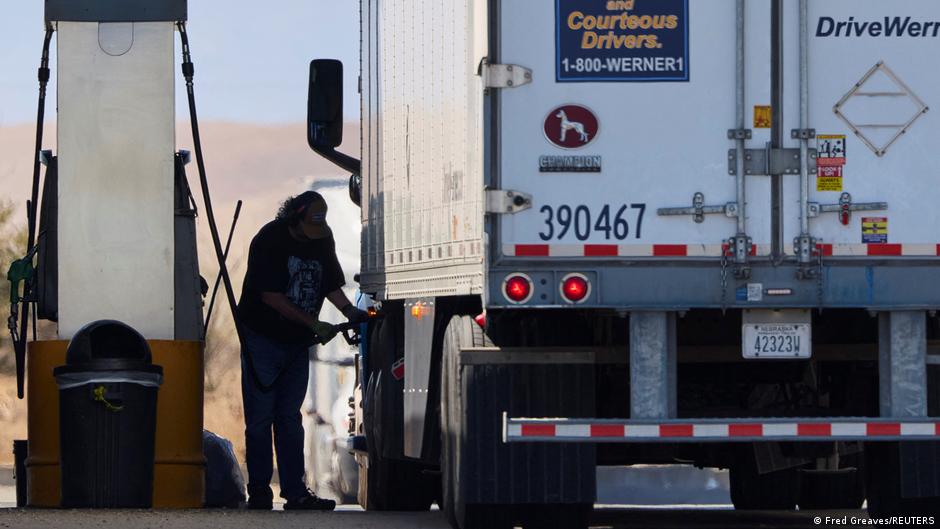
Two Russian fuel tankers have abandoned US-bound routes as sanctions and buyer caution undermine Trump’s effort to reduce soaring diesel prices.

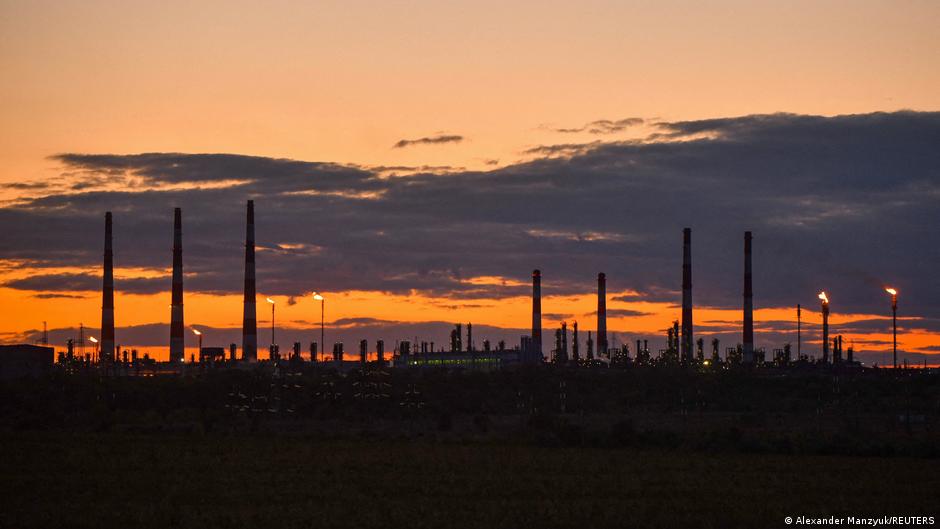
A US proposal to restore Russian gas transit through Ukraine could support an energy truce but challenge Europe’s planned withdrawal from Russian supplies.

Flavio Bolsonaro’s rejection of Lula’s election victory deepens Brazil’s institutional tensions and creates fresh risks for economic policy and investment.

The Pentagon watchdog’s decision exposes the risks created when essential military communications depend on privately controlled satellite infrastructure.

Washington is reviewing sanctions relief for Russia's RDIF as Moscow seeks to involve the fund in diesel supplies to the United States.

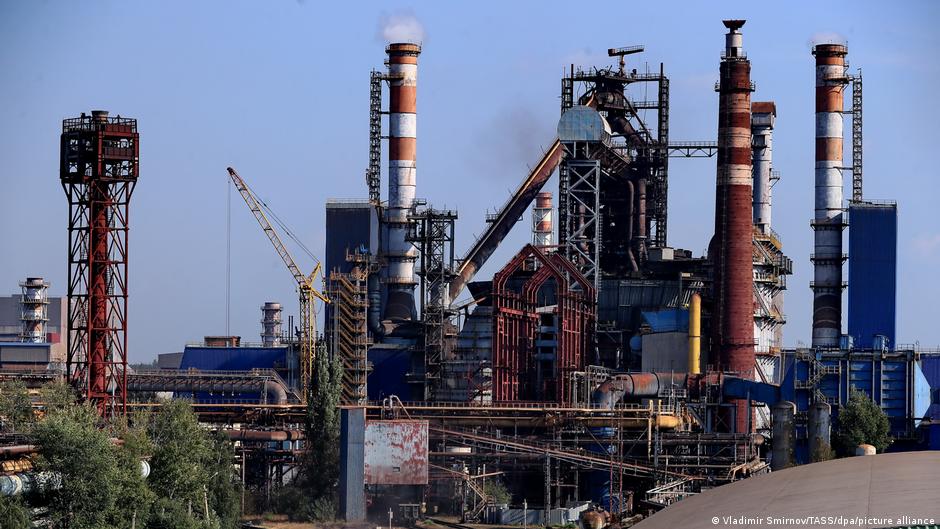
Reported attacks on steel, chemical and battery plants show how Ukraine’s long-range campaign may raise costs across Russia’s concentrated industrial supply chains.

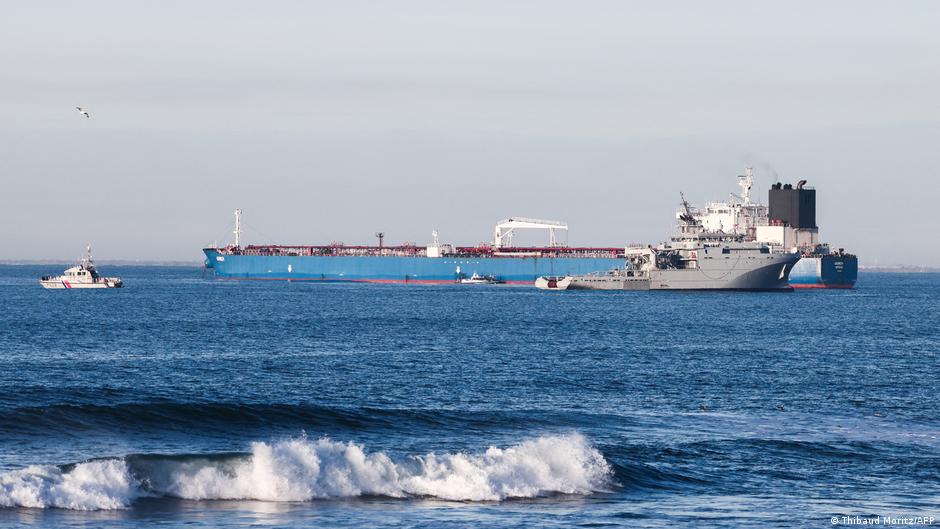
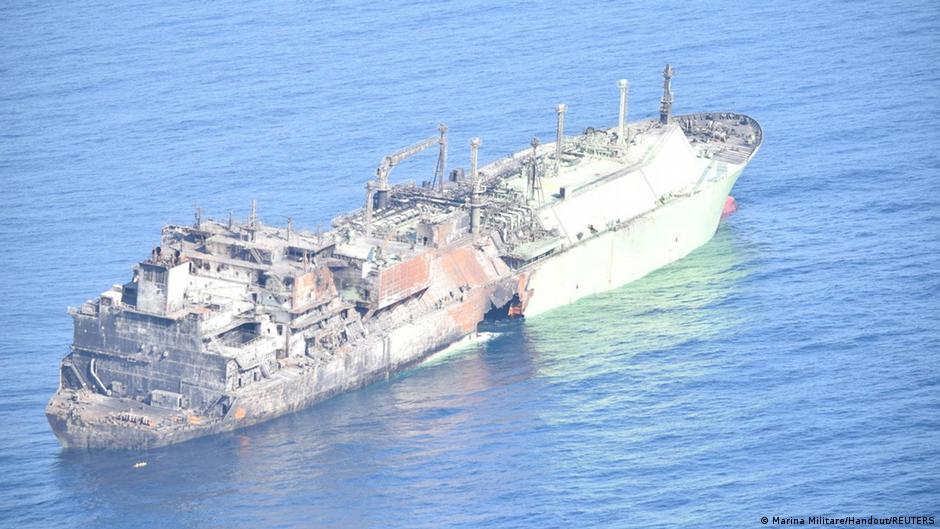
MYRA’s Atlantic distress call highlights the rising operational and economic risks surrounding sanctions-evasion oil shipping.

Audi’s planned $4 billion Georgia factory shows how US tariffs are redirecting automotive investment, jobs and production away from import-based supply chains.

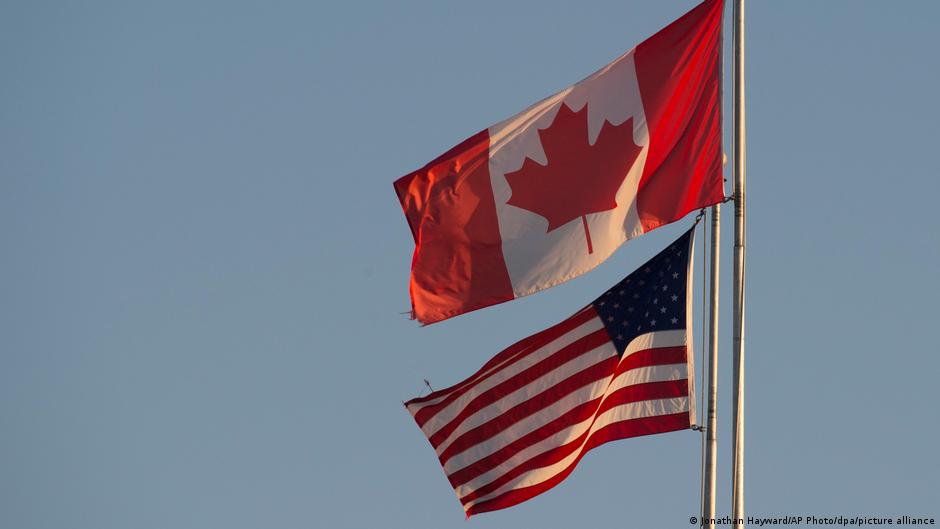
Washington will remove 50% duties from selected Canadian industrial goods while imposing tariffs on new consumer-product categories from October 30.

SpaceX’s restoration of Starlink access in Ukraine exposes the strategic and economic risks of relying on privately controlled wartime infrastructure.

A reported US peace proposal would restore Russian pipeline gas to Europe, challenging the EU’s 2027 phaseout and reopening the debate over cost and dependency.

The attack disrupted energy, digital, power and transport infrastructure, exposing the economic risks created by concentrated urban networks.

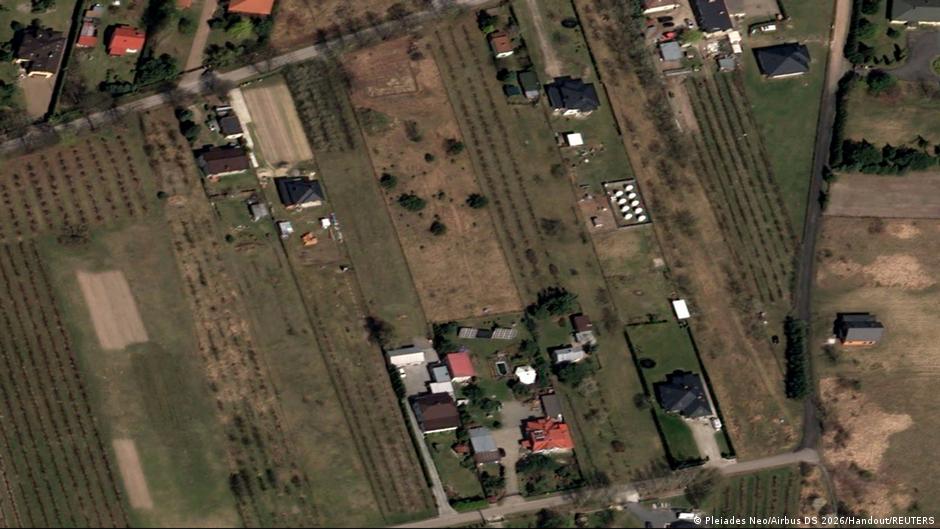
The suspected arson attack near Warsaw shows how limited physical sabotage can generate wider costs for infrastructure security, insurers and European governments.

Russia’s designation of two StopTime musicians as “foreign agents” shows how political enforcement can reshape cultural work and accelerate creative migration.

Five drone incursions in one day highlight the mounting security, fiscal and investment risks Moldova faces as Russia’s war against Ukraine spills across borders.

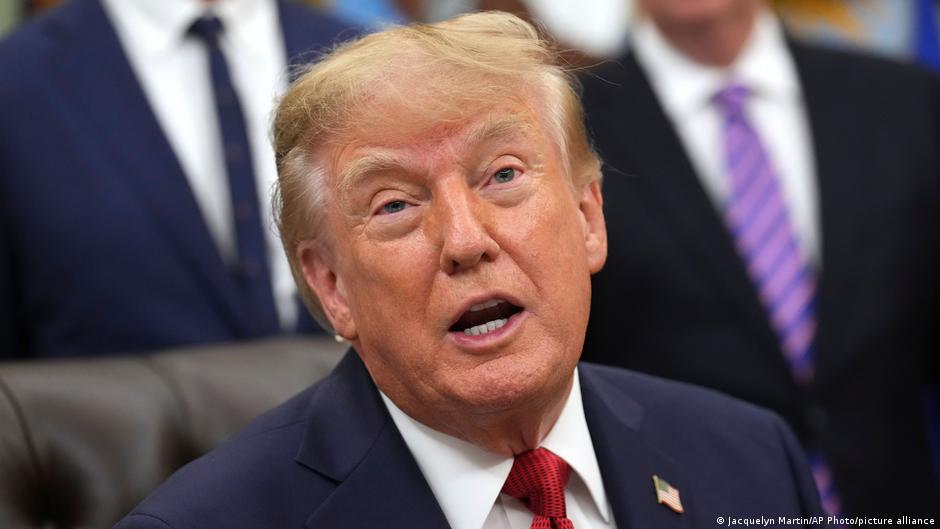
A bipartisan group of U.S. senators says Trump’s Russian diesel deal would aid Moscow while offering little relief to American fuel consumers.

Finland’s foreign minister is pressing the EU to halt Russian tourist visas, framing mobility as part of Europe’s sanctions response.

Trump said Putin is more interested than Zelensky in a Ukraine peace deal, while Kyiv urged U.S. pressure over Russia’s energy ceasefire violations.

The EU is preparing new funding for Ukrainian drones and missiles as Brussels links wartime defense needs with long-term financing and reforms.

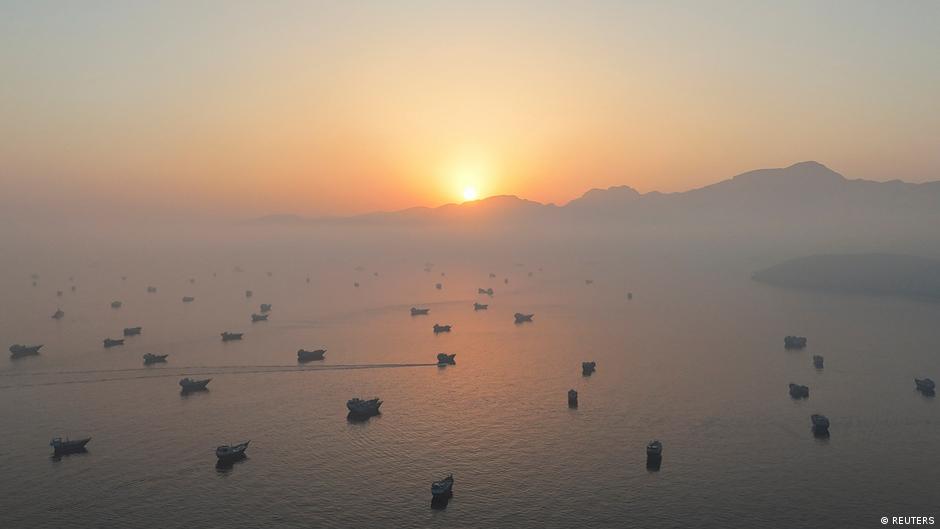
A U.S. strike disabled a Panama-flagged cargo ship near Iran, deepening Gulf trade risks as tanker attacks and fuel prices add economic pressure.

A bipartisan House bill would seek to ban Russian oil purchases after Trump announced an agreement on Russian diesel supplies.

Zelensky warned that a U.S.-Russia diesel deal could strengthen Moscow’s war economy unless tied to clear de-escalation commitments.

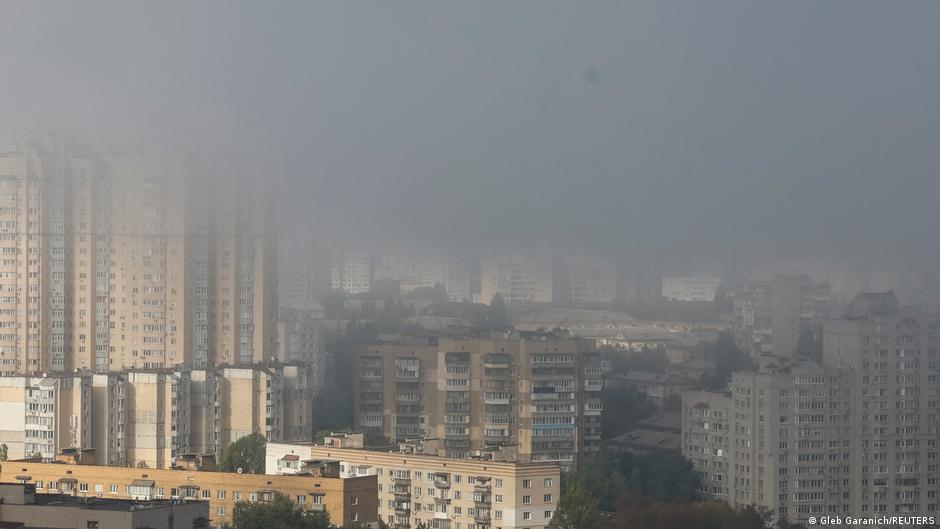
Kyiv’s mayor urged some residents to consider temporary relocation as Russian strikes threaten water, heating, energy and transport systems.

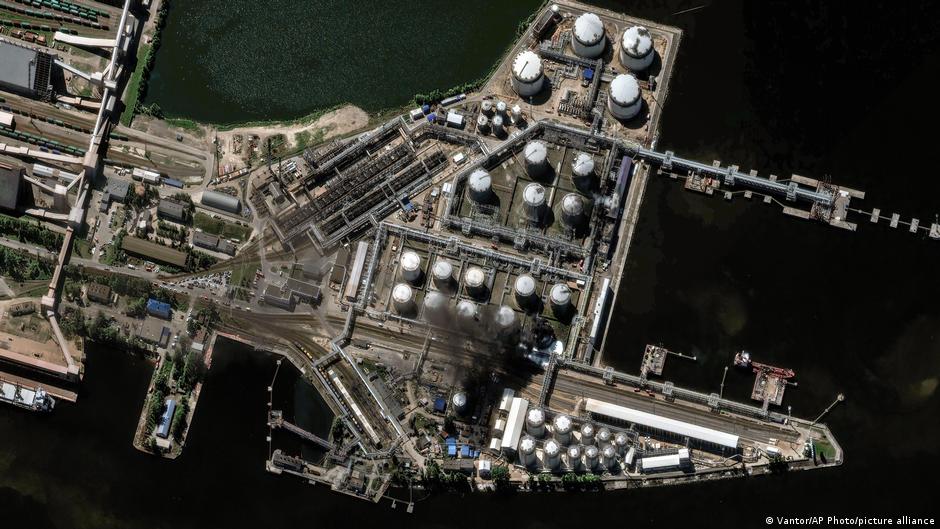
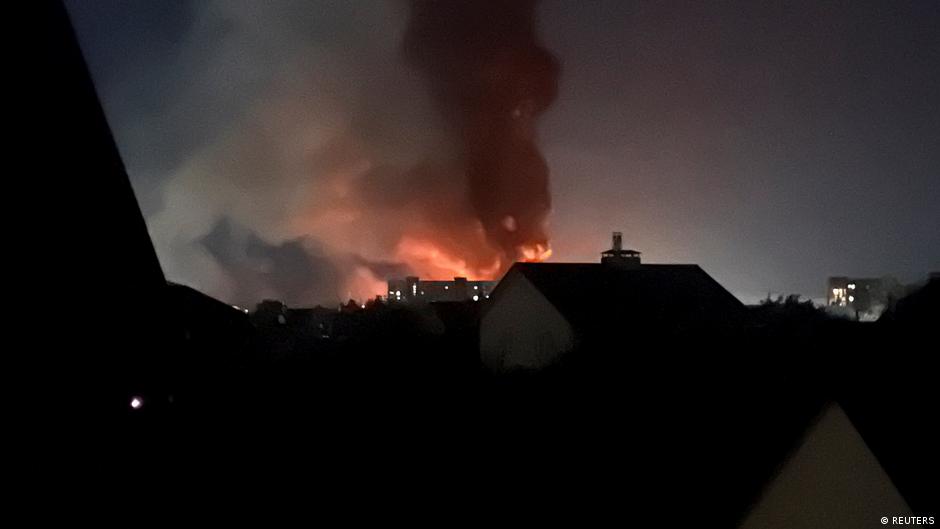
A tanker fire near Sochi exposes the mounting economic risks around Black Sea shipping, Russian oil exports and shadow-fleet logistics.

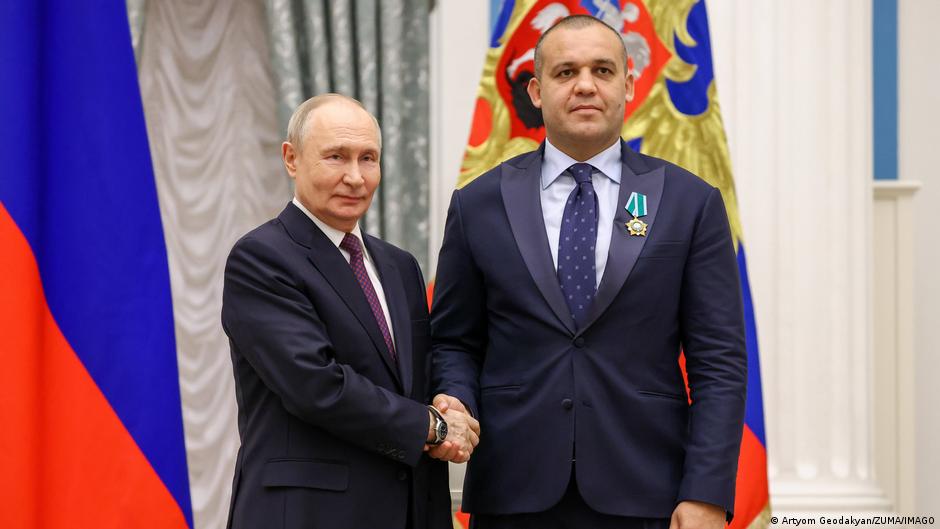
Umar Kremlev says Donald Trump Jr. repaid wedding-event costs, but the episode keeps scrutiny on political access and private finance.

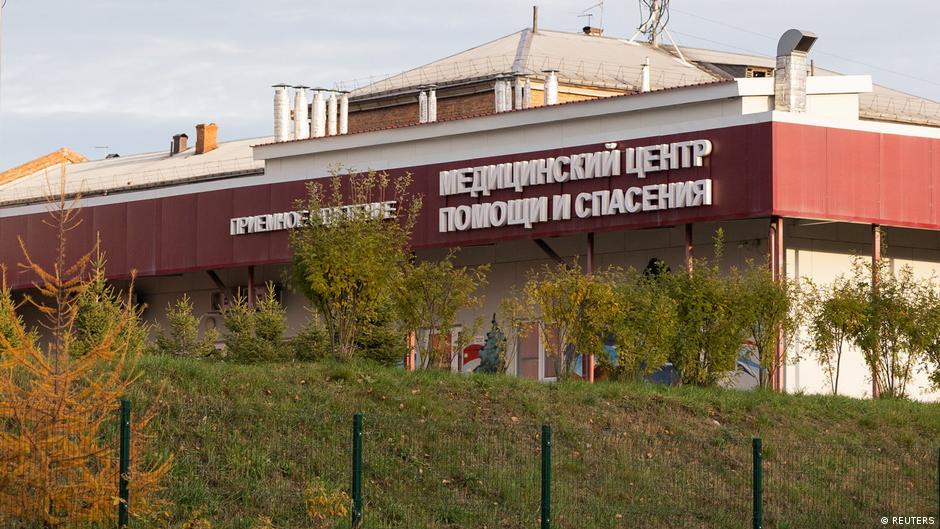
A reported possible plague-linked death in Irkutsk has prompted WHO inquiries, hospital quarantines and a planned Trump-Putin call.

Trump said the U.S. is ready to help Russia as reports from Irkutsk raised public-health concerns and prompted border precautions in Central Asia.

Western governments are preparing contingency plans to move embassies from Kyiv as Russian strikes intensify against Ukraine’s cities and energy system.

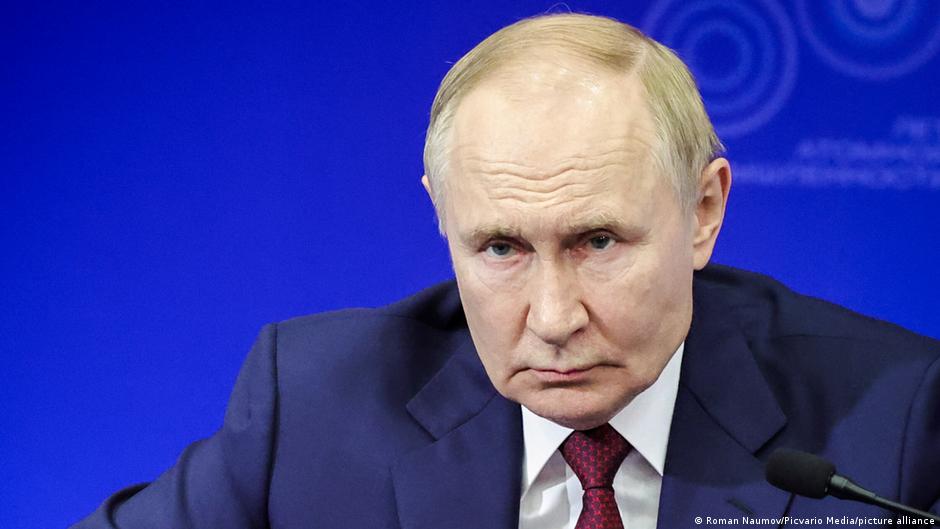
Putin’s Valdai speech sharpened nuclear rhetoric and war claims, adding to Europe’s long-term economic and security risk premium.

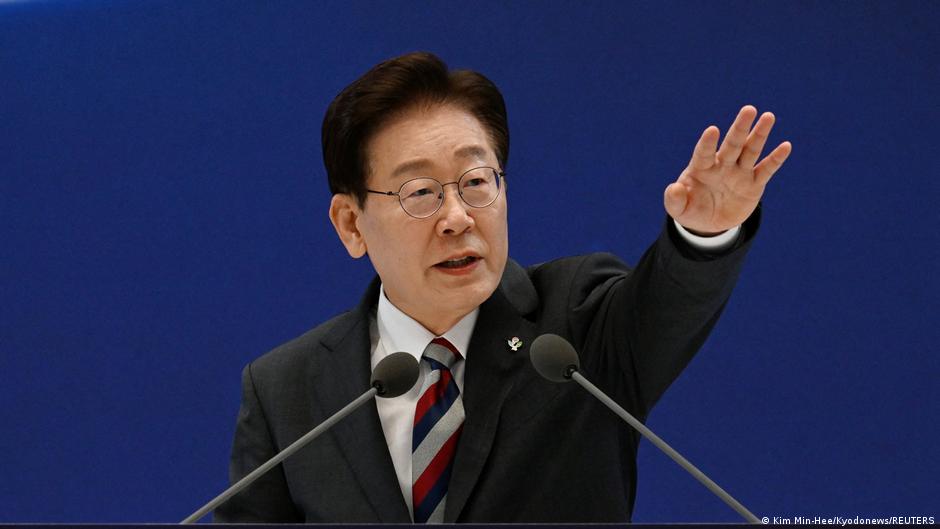
Seoul’s warning to Kyiv over disclosed North Korean prisoners raises questions about trust, defense cooperation and postwar economic ties.

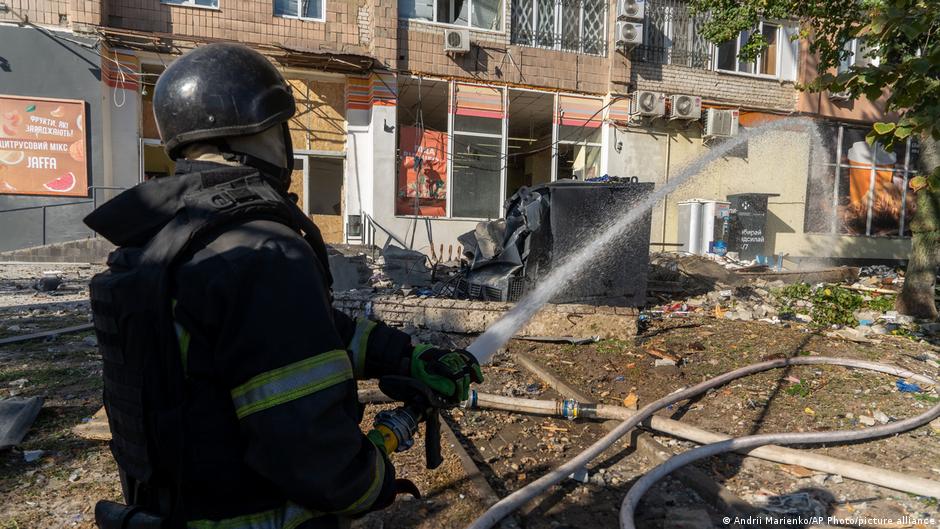
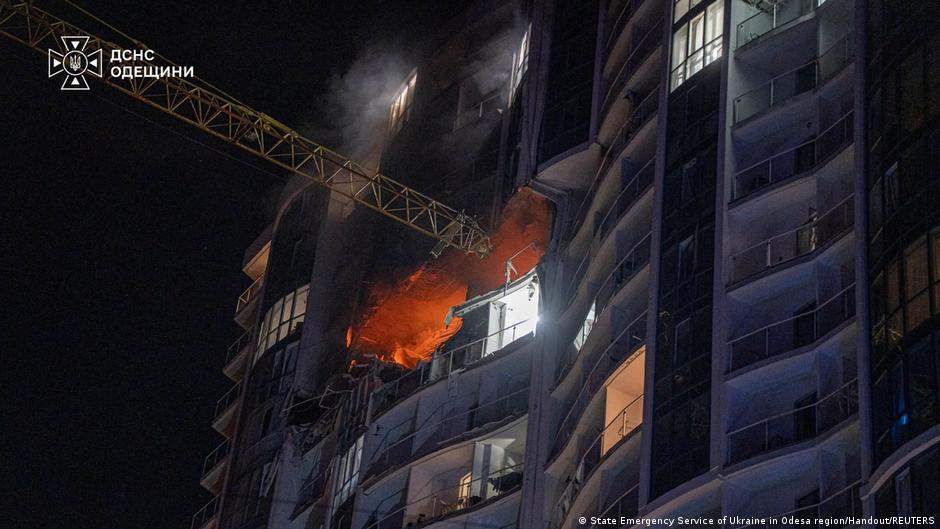
Russian attacks damaged sites in Kyiv, Odesa, Sumy and Kyiv region, while Ukrenergo announced power curbs after strikes on energy facilities.

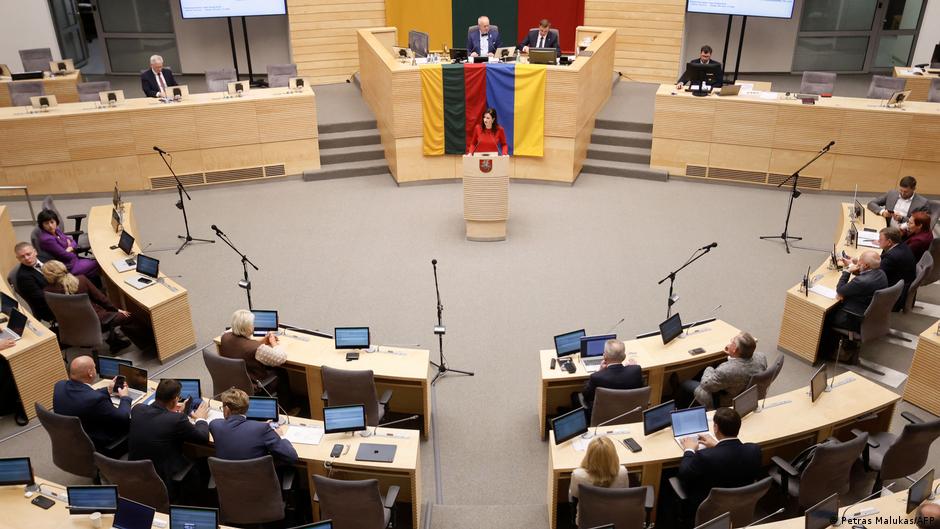
Lithuania’s proposed property restrictions would bar Russian and Belarusian citizens from buying real estate near strategic sites.

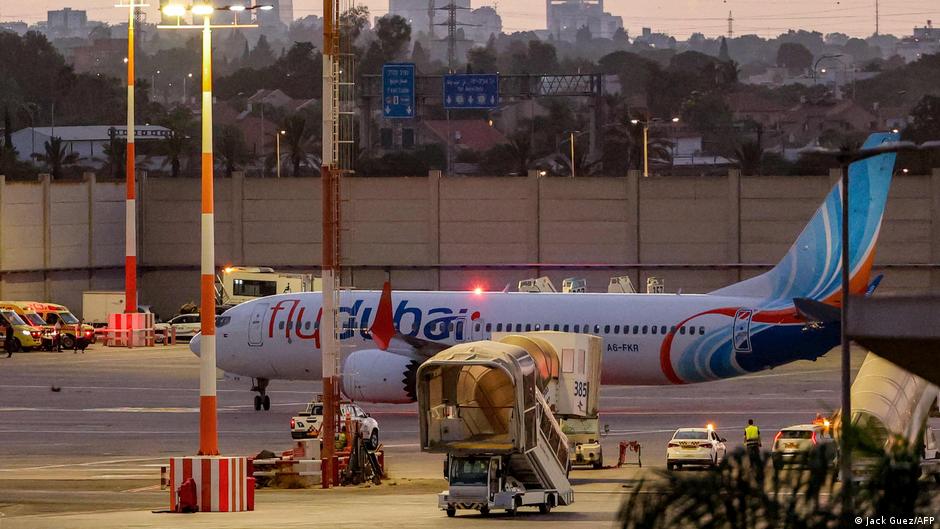
Flydubai’s Israel flight suspension turns a cockpit security incident into a test of Gulf-Israel aviation, diplomacy and economic connectivity.

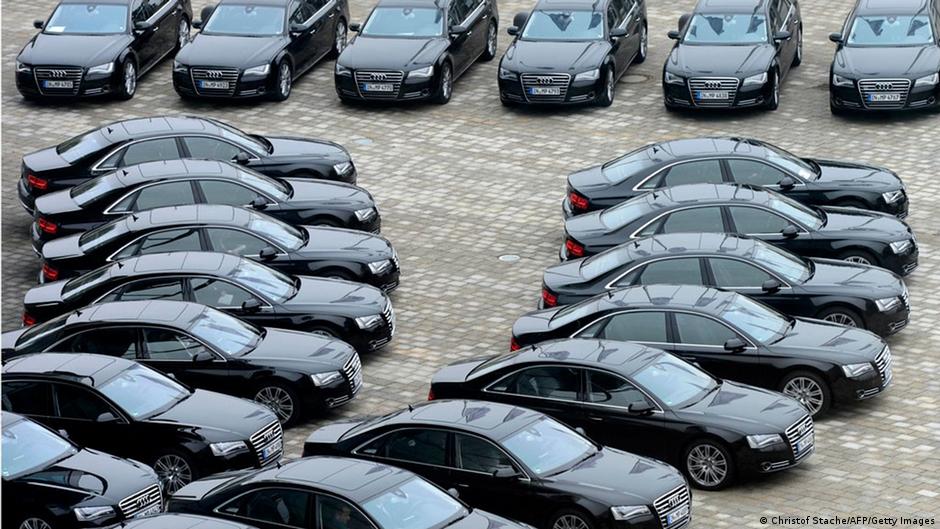
German and Austrian authorities searched two businessmen suspected of sending cars and trucks to Russia through third countries despite EU sanctions.

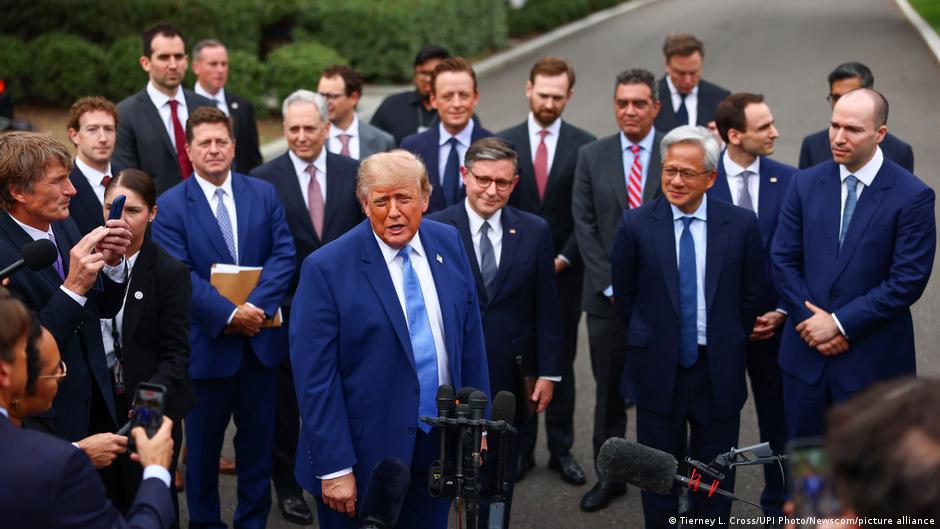
Trump’s AI pact relies on voluntary company oversight, raising questions about safety, competition and America’s race with China.

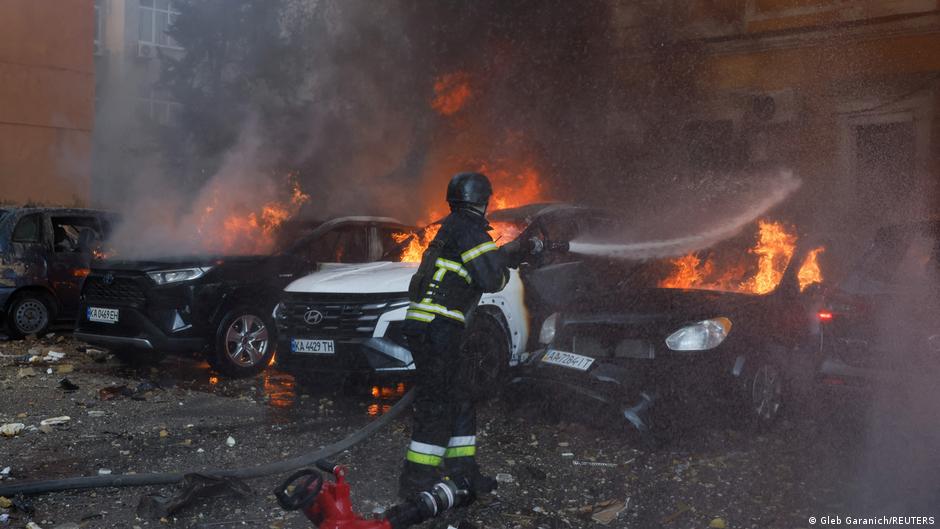
Russia’s renewed strikes on Kyiv show how attacks on homes, science institutions and medical facilities deepen Ukraine’s wartime economic strain.

Trump expects renewed Iran talks after rejecting Tehran’s Hormuz proposal, with sanctions, oil flows and nuclear demands shaping the standoff.

Russian drone strikes killed at least three civilians in Zaporizhzhia and hit port infrastructure in Odesa, deepening Ukraine’s wartime economic strain.

Germany says Putin’s possible G20 attendance should be judged by whether Russia first signals seriousness on Ukraine through a ceasefire.

Kyiv denied a report that Trump proposed Zelensky travel to Moscow, as energy prices and venue disputes shape Ukraine diplomacy.

Yemen’s mobilization call comes as Houthi gains near the Red Sea and Bab el-Mandeb raise risks for trade, oil exports and energy prices.

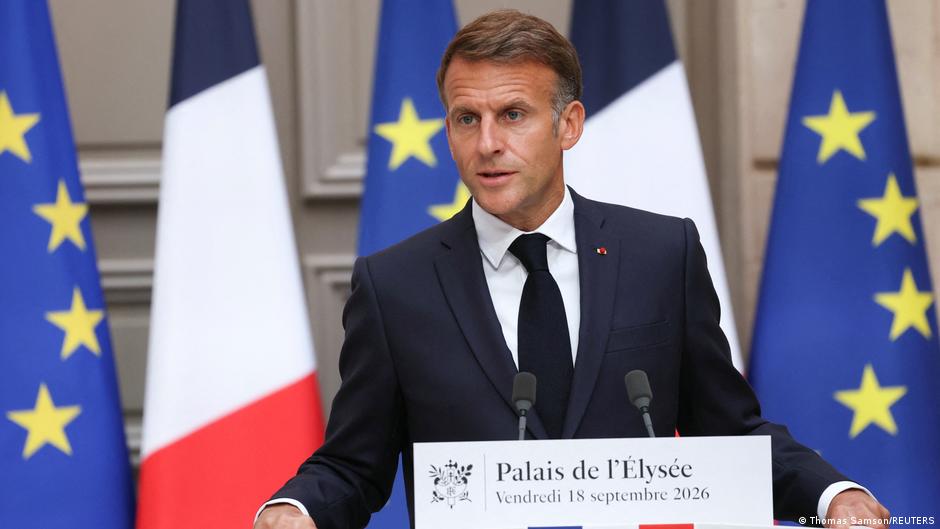
Macron says France sees a Russian mobilization of about 300,000 as credible and warns Europe may face wider hybrid attacks.

Russia’s ship registry grew 36% as sanctions pressure pushed shadow-fleet vessels toward Russian registration, CREA says.

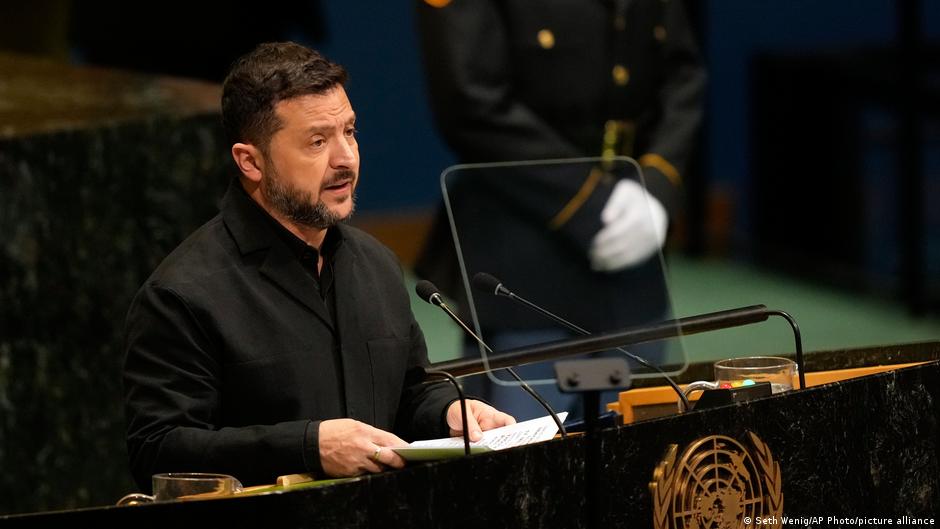
Zelenskyy told the UN that Putin is spreading the idea of war globally and said Ukraine aims to weaken Russia’s ability to finance the conflict.

Two people were killed in Kyiv as Russian strikes damaged civilian areas and renewed pressure on Ukraine’s energy and urban infrastructure.

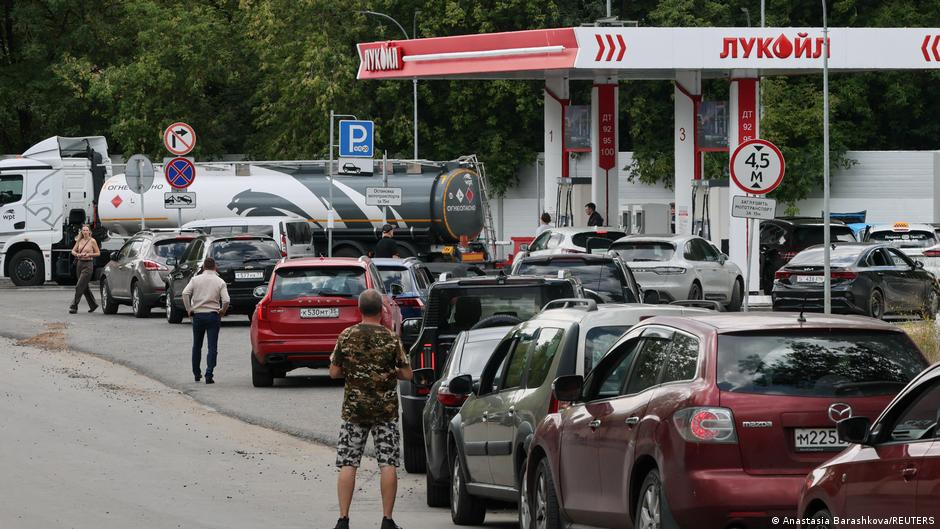
Kaluga and Zabaikalsky Krai have restored gasoline limits as refinery strikes deepen Russia’s second wave of fuel shortages.

German investigators are probing whether a drone crash near the Wunstorf air base involved explosives and may be linked to Leipzig sabotage.