Paxtakor Football Club Reports 50 Billion UZS Loss in 2025 Amid Fiscal Challenges
Tashkent-based Paxtakor ends 2025 with significant financial losses and increasing tax debt, highlighting structural issues in Uzbek football financing.
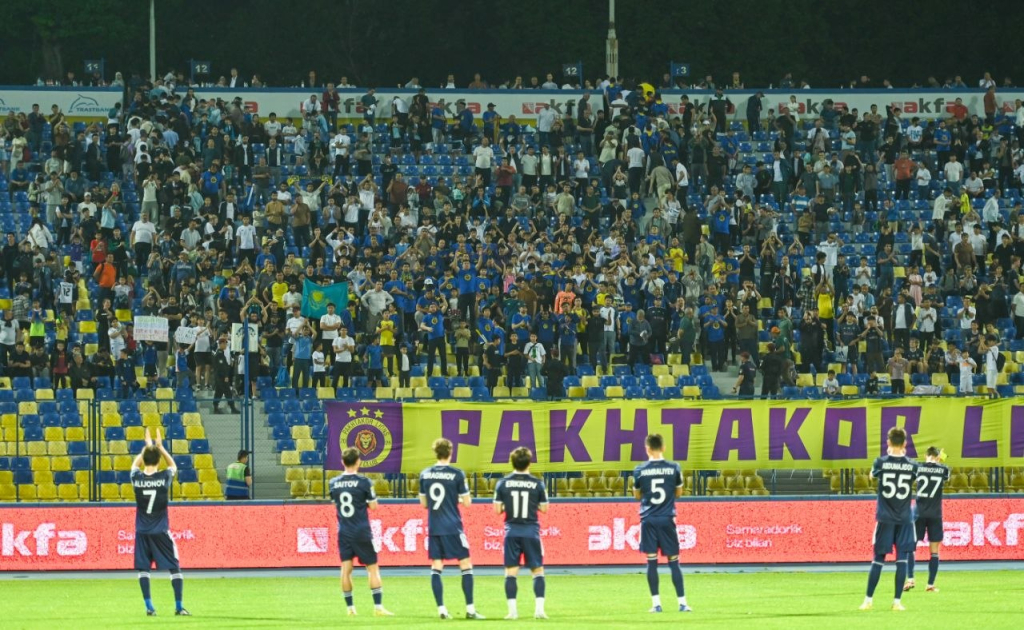
Paxtakor, one of Uzbekistan's most decorated football clubs, has reported a loss exceeding 50 billion Uzbek soums (UZS) in its financial statements for 2025. The club also faces a tax debt surpassing 17 billion UZS, marking a sharp reversal from its profitable 2024 performance.
Financial Review and Comparison
The 2025 fiscal report reveals that Paxtakor generated total revenues of about 79 billion UZS, combining 15.3 billion UZS from core operations and an additional 63.6 billion UZS from other income streams. However, expenditures soared to nearly 129 billion UZS, resulting in a net loss of approximately 50.8 billion UZS.
By contrast, the club concluded the previous year with a net profit of 36.9 billion UZS — an achievement not seen for several years. This stark financial downturn raises questions about the sustainability of the club's revenue model and cost management practices, especially given its continued sporting success, finishing second in the 2025 Uzbekistan Super League with 60 points.
“The financial challenges faced by Paxtakor reflect broader structural pressures on football clubs in Uzbekistan as they transition from state support to self-sustaining business models.”
State Ownership and Privatization Efforts
Paxtakor remains fully owned by the Tashkent city administration, with Jahongir Ortiqxo‘jayev — former mayor of Tashkent and entrepreneur — serving as the club’s chairman. Earlier in 2024, the State Asset Management Agency announced plans to sell the club, though no formal agreements or sales have since been confirmed.
Ortiqxo‘jayev has expressed a desire to develop the club but has also publicly resisted privatization efforts, stating reluctance to pay even nominal fees for ownership transfer. This stance highlights tensions between government control and market-oriented reforms within Uzbek sports institutions.
Budget Allocations and Future Funding Models
Starting in 2026, Uzbekistan’s Super League clubs will receive state budget allocations of 35 billion UZS annually, which will gradually decrease to 25 billion UZS by 2028. This phased reduction aims to incentivize clubs to cultivate independent revenue streams, such as sponsorships, merchandising, and matchday income.
However, Paxtakor’s current financial woes illustrate the difficulty of this transition. The club’s heavy losses and mounting tax liabilities signal potential risks for its long-term competitiveness and operational stability if alternative income sources are not effectively developed.
Historical and Economic Context
Paxtakor’s financial situation can be viewed within a broader historical context of state-supported sports institutions in post-Soviet economies. Traditionally reliant on government funding, many such clubs are now navigating the complexities of commercialization and privatization under new market conditions.
The Uzbek government’s strategy to gradually reduce direct subsidies aligns with global trends encouraging professional sports clubs to operate as autonomous commercial entities. Yet, the readiness of clubs like Paxtakor to manage this shift remains uncertain.
Economically, the club’s losses may also reflect increased operational costs, including player salaries, facility maintenance, and compliance with tax obligations, which have not been matched by sufficient revenue growth.
As Uzbekistan’s football ecosystem adapts to these reforms, the experiences of leading clubs like Paxtakor will be critical indicators of the sector’s financial health and the effectiveness of policy measures aimed at sustainable sports financing.