Pro-Kremlin Blogger Ilya Remeslo Detained Amid Political Crackdown in Russia
Former regime supporter Remeslo’s sudden dissent and subsequent detention highlight Russia’s continued use of psychiatric measures against political opposition.
Ilya Remeslo, once a staunch pro-Kremlin blogger and known informant against Russia's political opposition, has been placed in pre-trial detention following a psychiatric evaluation amid charges related to spreading 'fake news' about the Russian military. This latest development underscores the Kremlin's sustained strategy of suppressing dissent through legal and medical means.
From Loyalist to Critic: A Dramatic Political Shift
Remeslo’s trajectory has been marked by his earlier alignment with government narratives and active denunciation of opposition figures, notably Alexei Navalny and his Anti-Corruption Foundation. His activities contributed to criminal investigations targeting Navalny, including allegations of fraud connected to the 2017 presidential campaign and a separate case involving insults to a Russian war veteran.
However, in March 2026, Remeslo publicly reversed his stance, issuing sharp critiques of President Vladimir Putin and the war against Ukraine through his Telegram channel. He accused Putin of power usurpation, illegitimacy, and branded him a 'war criminal and thief'. This unprecedented break from loyalty provoked swift repercussions.
"I am the head of Russia’s opposition movement," Remeslo declared in an interview after his release from psychiatric hospitalization, signaling his commitment to ongoing criticism despite the risks.
Merely two days after his critical posts, Remeslo was admitted to the Serbsky Institute of Psychiatry, a facility historically infamous for its role in Soviet punitive psychiatry. Allegedly, his own sister was involved in initiating this medical intervention. Following this, fragments of a televised interview became evidence in a criminal case against him.
Historical Parallels and the Use of Psychiatry as a Political Tool
The Serbsky Institute, where Remeslo underwent compulsory psychiatric evaluation, was a cornerstone of the Soviet-era system that labeled dissenters with fabricated diagnoses such as 'sluggish schizophrenia'. This practice served as a tool of political repression, effectively silencing opponents under the guise of medical treatment. Victims included prominent dissidents like Vladimir Bukovsky and Valeria Novodvorskaya.
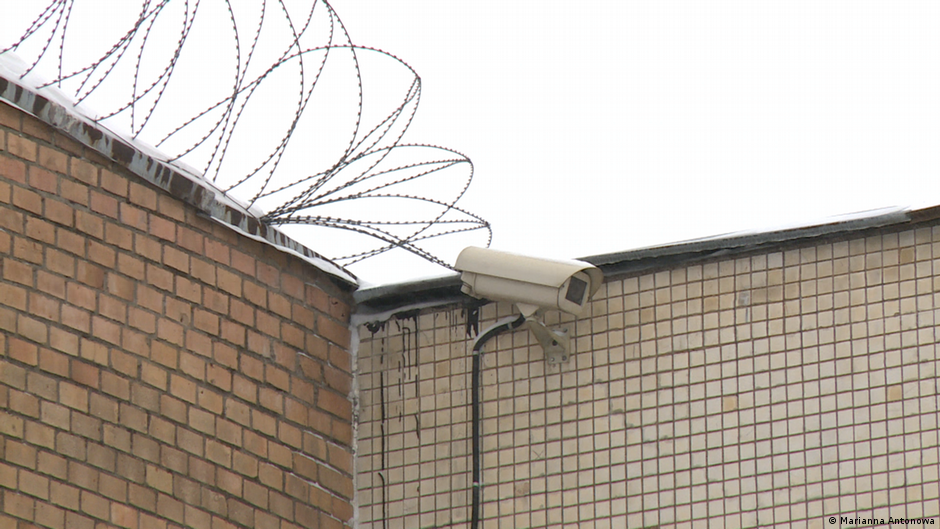
Remeslo’s detention in SIZO No. 7 (known as 'Kapotnya') marks the latest chapter in this legacy. His case reflects the Kremlin’s continued reliance on judicial and psychiatric mechanisms to quell political opposition, maintaining a climate of fear and control.
He is currently detained pending trial, with legal proceedings expected to continue through mid-September. The charges carry a potential sentence of up to ten years imprisonment, signaling the severe consequences of political dissent in contemporary Russia.
This incident also illustrates the broader socio-political dynamics within Russia, where former regime supporters may face harsh penalties for breaking ranks, and where institutions with Soviet-era legacies remain active instruments of state power.
Remeslo’s transformation from regime loyalist to outspoken critic, and the harsh state response it triggered, exemplify the precarious position of political actors in Russia's tightly controlled public sphere. The use of psychiatric detention as a punitive measure continues to evoke historical patterns of repression, raising concerns about the erosion of civil liberties and political pluralism.