Russia Launches Another Intense Missile and Drone Assault on Kyiv Amid Escalating Conflict
The latest Russian attack on Kyiv involved ballistic missiles and drones, highlighting escalating strategic use of advanced weaponry with far-reaching economic and security implications.
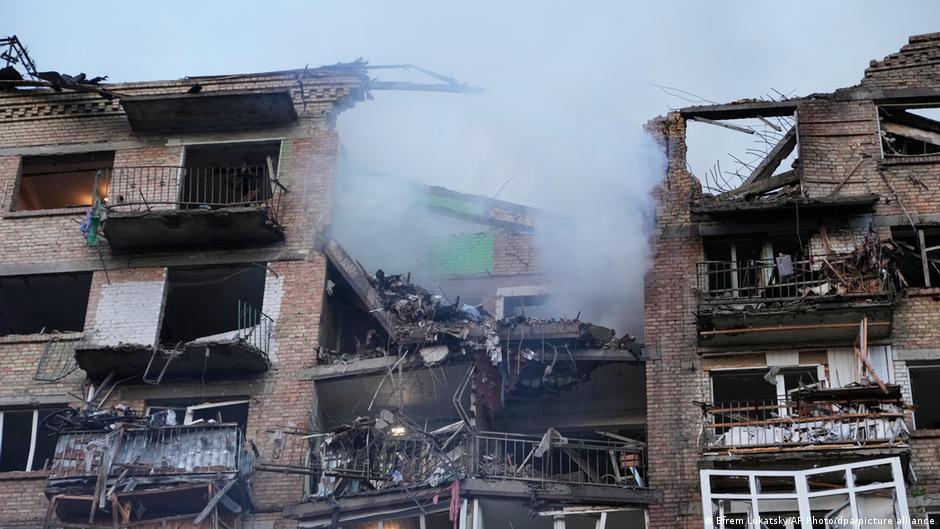
On the night of May 24, Russian forces launched a renewed wave of missile and drone strikes targeting Kyiv and its surrounding regions, causing significant civilian casualties and structural damage. The assault underscores a troubling escalation in Russia's military tactics, with broader consequences for Ukraine's economic stability and regional security.
New Wave of Attacks and Human Toll
Reports from Kyiv indicate that multiple residential buildings were hit by unmanned aerial vehicles (UAVs) and possibly ballistic missiles. In the Shevchenkivskyi district, a drone strike on a nine-story residential building resulted in at least one confirmed death and over 20 injuries, with 13 individuals hospitalized and several in critical condition. Other districts, including Obolonskyi and Solomianskyi, witnessed drones striking high-rise apartments at various levels, exacerbating damage to vital housing infrastructure.
"The continuous attacks on civilian targets deepen the humanitarian crisis and threaten Kyiv’s urban resilience," remarked an urban security analyst.
Video footage circulating on social networks depicted active fires, particularly in the Solomianskyi district, alongside debris from destroyed drones and missiles falling across the city and suburbs, further aggravating public safety concerns.
Potential Use of the 'Oreshnik' Ballistic Missile
Adding to the complexity of the assault, Ukrainian intelligence sources and independent monitoring channels suggest that Russia deployed the 'Oreshnik' ballistic missile during the attack, targeting an unidentified site in Bila Tserkva, south of Kyiv. While official confirmation from either side remains pending, multiple videos show signature missile deployment stages and powerful explosions consistent with 'Oreshnik' capabilities.
If verified, this would mark the third documented use of the 'Oreshnik' missile since Russia’s full-scale invasion began. Previous strikes involved:
- November 2024, where Vladimir Putin characterized the missile use as "tests."
- January 2026, targeting an installation in western Ukraine's Lviv region, justified by Russian claims of a thwarted Ukrainian drone attack on Putin’s residence, a narrative met with international skepticism.
Strategic and Economic Implications
The evolving Russian strategy of combining missile and drone strikes against populated urban centers signals a shift towards greater use of high-precision, long-range weapons. This escalation not only increases immediate humanitarian costs but also undermines Ukraine’s critical infrastructure, disrupting economic activity and urban development.
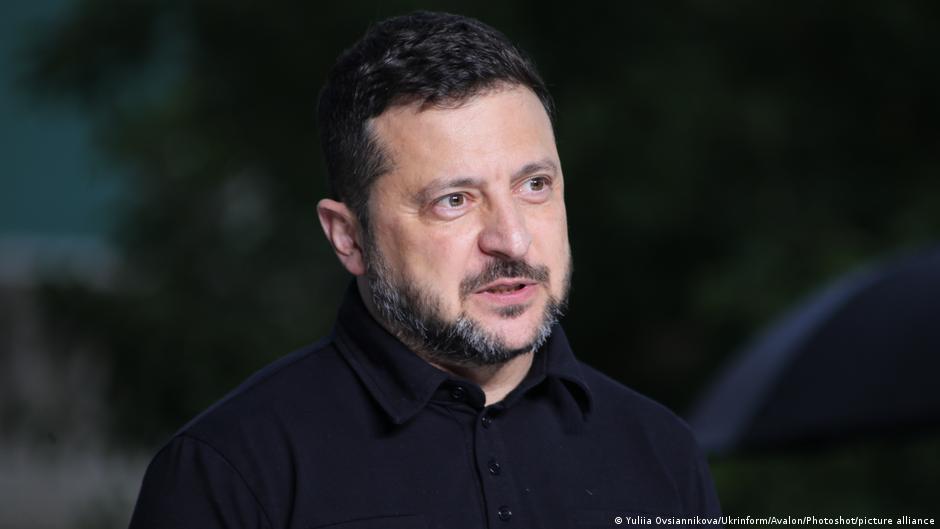
Ukraine’s President Volodymyr Zelensky, citing intelligence reports on May 23, warned of imminent further 'Oreshnik' missile strikes and called on international partners to adopt proactive measures to deter Russia's aggression. The call highlights a crucial turning point where preventive diplomatic and economic pressure may be necessary to curb the prolongation of conflict and mitigate its structural consequences.
From an economics perspective, these attacks magnify Ukraine’s reconstruction burden, potentially stalling investment and exacerbating inflation through destroyed housing stock and service disruptions. Moreover, the uncertainty generated by such strategic missile use complicates regional economic integration and international aid flows, potentially triggering broader geopolitical realignments.
Historical Parallels and Long-Term Outlook
Historically, conflicts involving missile technology escalation have often led to protracted wars with deep societal scars. The use of ballistic missiles against urban areas parallels tactics seen in prior conflicts where strategic bombing aimed to demoralize populations and degrade economic capacity.
Looking forward, the sustained application of these tactics portends a grim trajectory for Ukraine’s economic recovery and regional stability. The integration of emerging missile systems such as 'Oreshnik' into Russia’s arsenal represents a significant shift in warfare dynamics, necessitating renewed international focus on conflict resolution and infrastructure resilience.
In conclusion, the recent attack on Kyiv is emblematic of a broader intensification in Russia’s military operations, carrying profound implications beyond immediate tactical outcomes. The interplay between military escalation and economic destabilization underscores the urgent need for strategic responses that address both security and reconstruction challenges.