Russia Proposes Expanding Military Recruitment to Include Convicted Criminals Amid Manpower Shortages
New Russian bill seeks to allow individuals convicted of serious crimes to sign contracts with the Ministry of Defense during mobilization and wartime conditions.
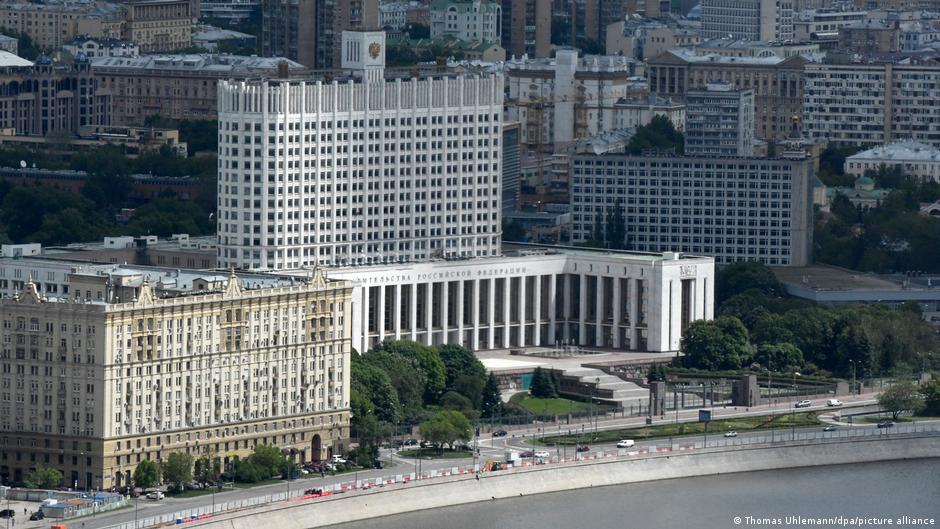
The Russian government has submitted a bill to the State Duma proposing a significant expansion in the categories of convicted individuals eligible to enlist in the military under contract during periods of mobilization, martial law, or wartime. The draft legislation notably includes persons convicted of serious offenses such as banditry, organized crime participation, and drug smuggling, marking a notable shift in military recruitment policy amid ongoing manpower challenges.
Expanding the Pool of Military Contractees
The bill outlines amendments to the Criminal Code and the Federal Law on Military Duty and Service to permit individuals convicted of specific crimes to enter contracts with the Ministry of Defense. Crimes newly included cover a broad spectrum of serious offenses: participation in banditry (Article 209, Part 2), membership in organized criminal groups (Article 210, Part 2), drug trafficking-related smuggling (Article 229.1, except certain cases), illegal migration facilitation (Article 322.1, Part 2), illicit acquisition or storage of nuclear materials (Article 220), theft or extortion of nuclear materials (Article 221), cash smuggling (Article 200.1), and loss of classified documents (Article 284).
The explanatory note accompanying the bill asserts that these amendments aim to bolster recruitment efforts without adverse socio-economic or financial repercussions. It further claims the changes will not negatively affect the achievement of state program goals.
"The proposed changes do not entail negative social, economic, or financial consequences and will not hinder the objectives of state programs," the bill's explanatory note states.
Context: Recruitment Pressures in an Extended Conflict
This legislative move is indicative of the increasing pressures faced by Russian military recruitment amid the protracted conflict in Ukraine. Since the partial mobilization announced in late September 2022—formally extended into 2023—the Russian government has sought various mechanisms to increase contract enlistments. These include extending debt forgiveness laws to new contractees, recruiting in neighboring countries such as Belarus and China under the guise of rear-area vacancies, and reportedly imposing pressure tactics such as raids and forced contract signings in regions like the Penza Oblast.
Additionally, institutions like the Higher School of Economics have offered to finance education for students committing to military contracts within specialized units, such as the "BARS" detachment or drone forces, underscoring the multifaceted approach to augmenting military personnel.
The continued extension of the partial mobilization decree has been officially justified as necessary for fulfilling military obligations and preparing for various operational requirements, as clarified by presidential spokespeople.
Structural Implications and Historical Parallels
Historically, states facing prolonged military engagements and manpower shortages have resorted to broadening recruitment criteria, sometimes including groups previously excluded due to legal or moral considerations. Russia's current legislative push reflects similar structural pressures to maintain troop levels, albeit raising questions about the long-term socioeconomic and security implications.
Integrating individuals with criminal convictions into the armed forces could pose challenges in cohesion, discipline, and public perception, potentially impacting military effectiveness and societal trust. However, from a strictly pragmatic standpoint, such measures may temporarily alleviate personnel deficits.
This policy evolution also indicates the depth of Russia’s military manpower crisis amid sustained conflict, signaling potential shifts in recruitment priorities and the state's willingness to recalibrate legal frameworks to meet strategic demands.