Trump Alleged Chinese Interference in 2020 US Election Citing Intelligence Revelations
Former President Trump claims China accessed data of 220 million US voters to influence the 2020 election, highlighting systemic vulnerabilities in the electoral process.
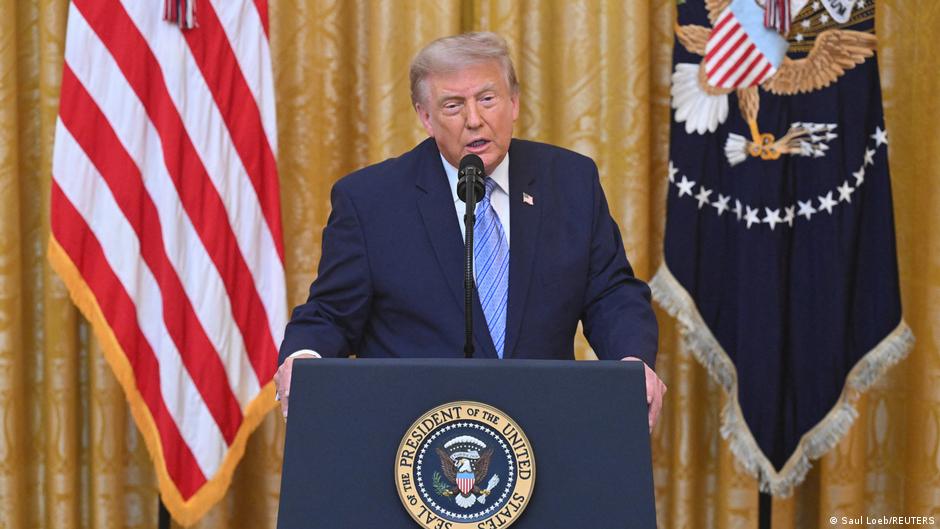
In a detailed 25-minute address to the nation, former US President Donald Trump accused China of orchestrating what he termed the largest data breach in election history, aimed at influencing the 2020 presidential vote. The speech, broadcast late on July 16, unveiled previously classified intelligence that, according to Trump, exposed deep vulnerabilities within the American electoral system.
Historical Context and Structural Implications
Trump asserted that Chinese authorities had accessed sensitive personal information of approximately 220 million American voters. This data reportedly included names, addresses, phone numbers, and party affiliations, obtained through purchase, theft, or hacking. Such a breach, if verified, would represent an unprecedented case of foreign intrusion into US democratic processes.
"China conducted an operation believed to be the largest data leak in election history," Trump said. "These vulnerabilities threaten the integrity of our democracy and must be addressed urgently."
Furthermore, Trump alleged that nearly 278,000 non-citizens were registered as voters across four US states, compounding election integrity concerns. The former president claimed that China leveraged the compromised data not only to sway public opinion through paid negative media coverage but also to manipulate vote tallies in key states.
These assertions come amid Trump's broader narrative that foreign adversaries, including Russia, Iran, and North Korea, as well as non-state actors, exploit weaknesses in the US electoral system. The allegations underscore long-standing debates about election security and the potential for foreign influence campaigns to disrupt democratic governance.
From an economic standpoint, sustained claims of election interference can affect market stability and investor confidence, especially when linked to geopolitical tensions involving major global economies like China. The interplay between national security, electoral integrity, and economic policy forms a complex matrix influencing US-China relations and international trade dynamics.
Trump further attributed the concealment of this intelligence to an entrenched "deep state" within US intelligence agencies, accusing officials of suppressing information to undermine his administration. He called on the Office of the Director of National Intelligence, Department of Justice, FBI, and CIA to investigate the alleged cover-up, dismiss implicated personnel, and pursue criminal charges where appropriate.
While these claims have yet to be independently substantiated, they highlight the fragility of electoral infrastructure and the profound implications of cyber and information warfare in modern democratic states. The historical parallels with previous foreign interference cases raise critical questions about the evolution of electoral vulnerabilities and the necessity for robust institutional safeguards.
As the US continues to grapple with these challenges, the economic consequences of perceived electoral instability include potential disruptions to policy continuity, shifts in regulatory environments, and changes in bilateral economic relations. Understanding these structural effects is crucial for stakeholders across the public and private sectors.