US Launches New Strikes on Iran, Tehran Vows Retaliation Amid Escalating Regional Tensions
US military targets Iranian bridges, airports, and energy infrastructure in efforts to weaken Iran’s military capacity; Tehran responds with counterattacks.
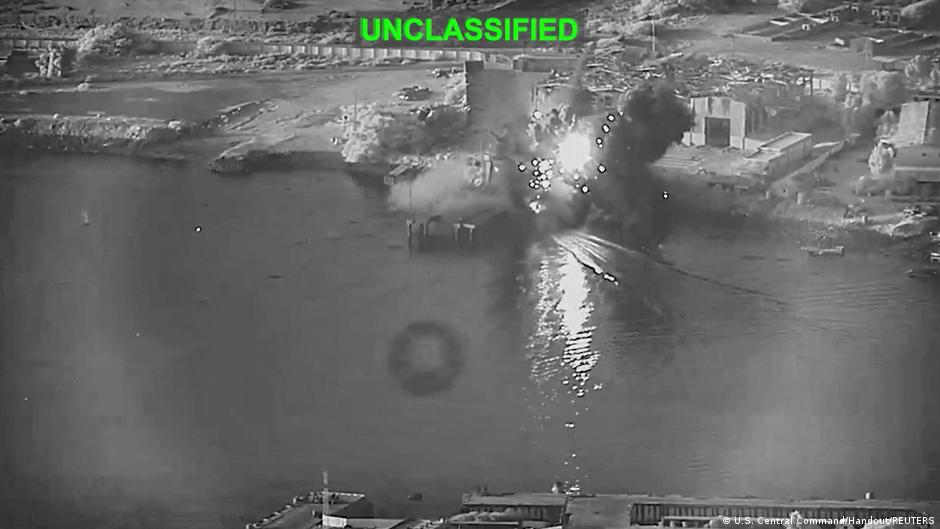
In a marked escalation of hostilities, the United States launched a fresh series of airstrikes against Iranian infrastructure on the evening of July 16, targeting bridges, airports, and energy facilities. According to Iranian state media, these attacks resulted in casualties, with three fatalities and 15 injuries reported. This marks the sixth consecutive night of US military operations aimed at further crippling Iran’s military capabilities.
Context and Strategic Calculations Behind the Strikes
The renewed US strikes come despite a recently signed framework agreement on June 17, which purportedly aimed to cease hostilities and lift the blockade of the strategically vital Strait of Hormuz. However, this fragile detente was shattered on June 25 when an Iranian kamikaze drone attacked a civilian tanker transiting the strait, prompting retaliatory US strikes.
The US Central Command (CENTCOM) has publicly stated that the ongoing attacks are designed to "further weaken Iran’s military potential." The targeted infrastructure includes three bridges in Iran’s southern Hormozgan province, residential areas in the port city of Bandar Abbas, an electrical substation on Kish Island, and zones adjacent to airports in Bandar Abbas and Iranshahr. Additionally, explosions were reported near the city of Bushehr, home to Iran’s sole civilian nuclear power plant.
“The US strikes are explicitly aimed at dismantling Iran’s capacity to project military influence in the region, signaling a strategic intent to contain Tehran’s power,” an analyst noted.
Iran’s Islamic Revolutionary Guard Corps (IRGC) declared immediate retaliatory strikes on American military targets in the region. Iranian agencies report that these counterattacks utilized drones to strike US helicopters and reconnaissance aircraft stationed at Bahrain’s Al-Sakhir airbase. Correspondingly, Kuwaiti air defense systems reportedly intercepted Iranian missile and drone attacks, while Bahrain authorities activated civil defense sirens warning of imminent threats.
Historical Parallels and Economic Implications
The renewed conflict echoes previous cycles of escalation that have punctuated US-Iran relations over the past decades, underscoring the persistent volatility of the Persian Gulf region. Historically, military confrontations in this area disrupt global energy markets, given that about 20% of the world’s oil supply passes through the Strait of Hormuz.
Disruptions to energy infrastructure, particularly targeting bridges and power plants, risk compounding Iran’s already strained economy, which suffers under US sanctions and the lasting impact of the COVID-19 pandemic. Any sustained damage to the electricity grid and transport links could severely hamper domestic economic activity and export capabilities, amplifying regional instability.
Moreover, the targeting of civilian infrastructure raises complex legal and ethical questions, potentially affecting international perceptions and diplomatic efforts. The attack near Bushehr's nuclear facility, in particular, could provoke broader international concern about nuclear safety in conflict zones.
The US administration’s stance, articulated by President Donald Trump at the NATO summit on July 8 and in subsequent statements, indicates a willingness to maintain pressure on Iran until Washington deems its demands satisfied. Trump’s assertion of US control over the Strait of Hormuz and threats to escalate strikes on Iranian power stations and bridges suggest the conflict could intensify unless diplomatic breakthroughs occur.
Structural Economic Consequences and Outlook
The ongoing military actions threaten to deepen the structural economic challenges facing Iran. Prolonged disruptions to critical infrastructure could undermine investor confidence, deter foreign trade, and exacerbate inflationary pressures by restricting energy and transport flows. The broader Gulf region also faces risks of spillover effects, including heightened security costs and supply chain vulnerabilities.
The situation presents a precarious outlook for regional economic stability and global energy markets alike. Without renewed diplomatic engagement, the cycle of military retaliation risks entrenching a prolonged geopolitical stalemate detrimental to economic development on all sides.
In the weeks ahead, close monitoring of the conflict’s evolution and its economic repercussions will be essential for stakeholders assessing risks in the Middle East and global energy sectors.