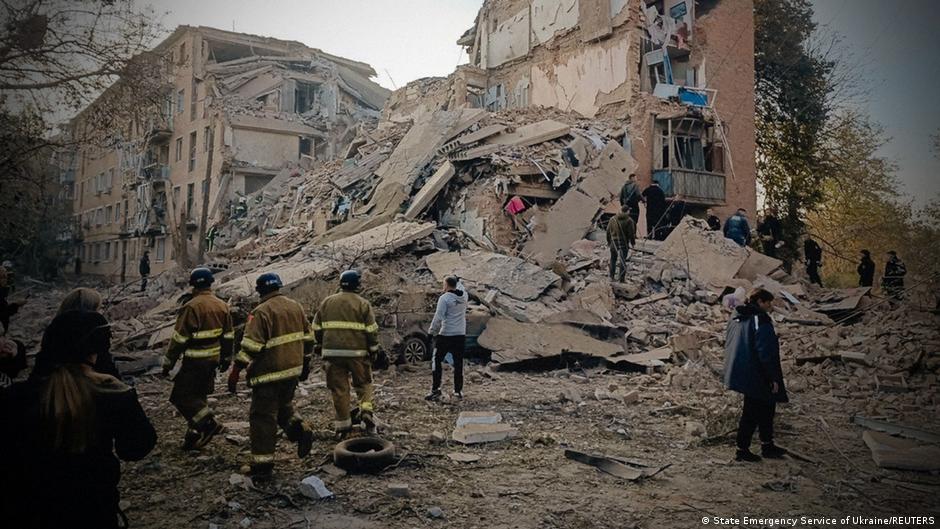
Russian Missile and Drone Attacks on Kyiv Result in Civilian Casualties and Infrastructure Damage
Five dead and over 30 injured in a large-scale Russian strike on Kyiv, highlighting escalating conflict impacts on Ukraine’s urban centers.
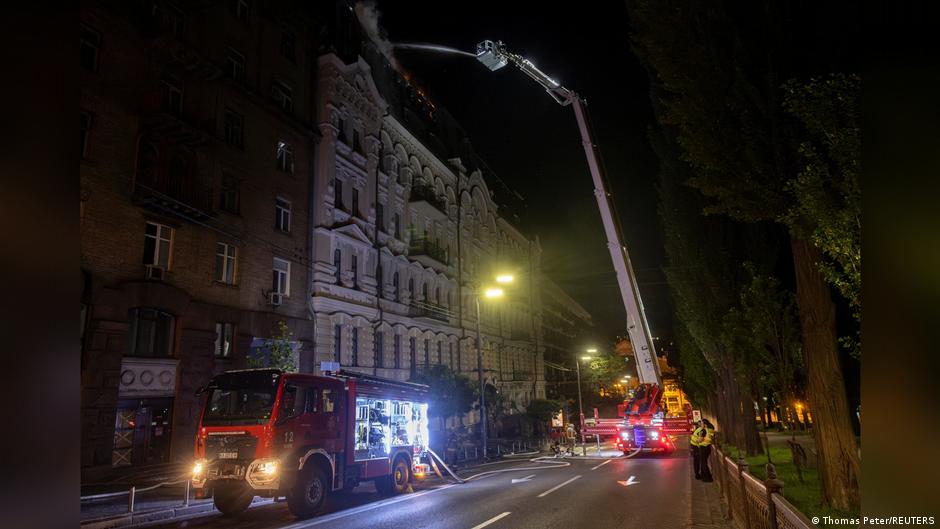
On the evening of July 1, Kyiv experienced a large-scale coordinated assault involving missiles and drones, resulting in five fatalities and 34 injuries. The attacks inflicted significant damage on residential buildings, critical infrastructure, and emergency services facilities, underscoring the intensification of hostilities in Ukraine’s capital.
Escalating Assaults and Urban Vulnerability
Kiev’s local authorities, including Mayor Vitali Klitschko and the head of the city’s military administration Timur Tkachenko, reported multiple simultaneous strikes targeting various districts. Among the hardest hit was a substation for emergency medical services in the Shevchenkivskyi district, where both medical personnel and drivers sustained injuries. Fires broke out on the roof of a hotel and a nearby market in the same area.
The attacks extended across several districts, with burning roofs on residential high-rises in Holosiivskyi, structural damage and residents trapped in a nine-story building in Desnianskyi, and debris from downed drones falling near private homes. In Darnytskyi district, further destruction included a partially collapsed five-story building and multiple residential houses ablaze.
Additional fires were reported in Solomianskyi and Sviatoshynskyi districts, with impacts also registered in Obolonskyi and Podilskyi areas. Local officials indicated that the drones approached the city from multiple directions, signaling a complex, multi-phased offensive.
"Drones are approaching Kyiv from several directions, and the attack is expected to unfold in multiple stages," stated Timur Tkachenko, emphasizing the coordinated nature of the strikes.
The scale and geographic spread of the attacks illustrate the increasing targeting of urban centers, posing growing risks for civilian populations and critical infrastructure networks.
Strategic Context and Economic Implications
These developments come shortly after Ukrainian President Volodymyr Zelensky, while in Dublin for the inauguration of Ireland’s EU Council presidency, warned of a potential "massive Russian strike" based on intelligence assessments. Kyiv and regions such as Dnipro have been highlighted as priority targets, reflecting Russian efforts to degrade Ukrainian operational capabilities and morale.
The targeting of critical infrastructure, such as emergency medical substations and residential buildings, has immediate humanitarian consequences but also longer-term economic ramifications. The destruction of housing stock exacerbates displacement pressures, while damage to emergency services hampers crisis response capacity. These factors collectively undermine urban economic resilience and the ability to sustain essential public services.
Historically, protracted urban bombardments during conflicts have led to substantial economic dislocation, hindering reconstruction efforts and dampening investor confidence. Kyiv’s repeated exposure to missile and drone strikes heightens the risk of such structural economic consequences, complicating Ukraine’s path to recovery and stability.
Moreover, increased civilian sheltering in metro stations, as reported by monitoring groups, signals heightened public fear and disruption to normal urban life, further straining social and economic systems.
Analysts note that the augmented intelligence gathering by Russian forces in these regions precedes intensified strikes, suggesting a calculated strategy to maximize operational damage and psychological impact.
As the conflict continues, the repeated targeting of Kyiv’s urban infrastructure raises critical questions about the sustainability of Ukraine’s economic centers under prolonged military pressure and the broader implications for regional economic stability.