Russian Air Strikes Target Multiple Ukrainian Regions Amid Ongoing Conflict
Russian military launched drone and missile attacks on Kharkiv, Zaporizhzhia, Dnipro, and other regions, causing civilian damage and injuries.
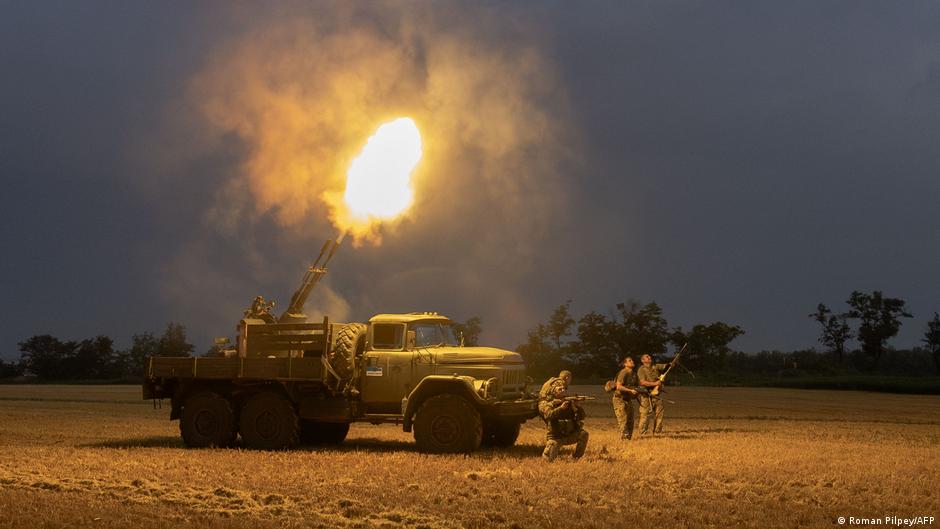
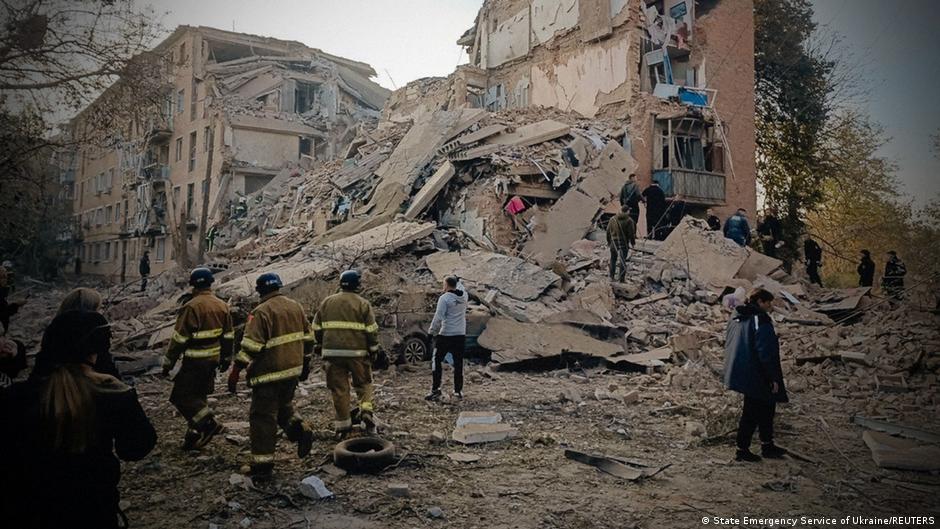
In the early hours of May 17, Russian forces conducted a series of air strikes across several Ukrainian regions, continuing a pattern of military escalation that has significant implications for the country's infrastructure and civilian life. The attacks targeted the Kharkiv, Zaporizhzhia, Dnipropetrovsk, and Odesa regions, with drones also spotted over Poltava and Sumy oblasts.
Strategic and Economic Impacts of the May 17 Attacks
The reported strikes involved both unmanned aerial vehicles and missile launches, underscoring the increasing use of drone warfare alongside traditional air assaults. Kharkiv's mayor, Ihor Terekhov, confirmed drone impacts in multiple city districts, including Saltivka, Kyivskyi, Osnovianskyi, and Kholodnohirskyi. Damage was reported to residential buildings and over ten vehicles, though preliminary data indicated no casualties.
In Zaporizhzhia, a drone strike hit a gas station, which was completely destroyed by fire, injuring a 25-year-old woman. Subsequent attacks involved guided aerial bombs, with damage assessments still underway. Dnipro also suffered damage, with a private home burning after a missile strike and a 70-year-old woman reported wounded. Odesa's military administration reported an air raid alert during the same period.
While Poltava and Sumy regions observed drone activity, no significant damage or injuries were reported at the time of the latest updates.
"These coordinated strikes highlight not only tactical military objectives but also the ongoing strain on civilian infrastructure and regional economies," noted analysts familiar with the conflict dynamics.
The recurrent targeting of civilian infrastructure — including residential areas, fuel stations, and private homes — exacerbates the humanitarian crisis and economic instability in Ukraine. The destruction of key infrastructure impedes local economies, disrupting transportation, energy supplies, and daily commerce, which has ripple effects on regional development and recovery prospects.
Moreover, these strikes illustrate a sustained strategy that blends conventional missile attacks with drone warfare, increasing the complexity of defense and response efforts. The expanding use of drones represents a shift in the tactical landscape, allowing for persistent surveillance and targeted attacks with reduced risk to personnel.
Historically, such protracted assaults on infrastructure have long-term consequences beyond immediate physical damage. They tend to erode economic resilience, deter investment, and prolong displacement and social disruption. Ukraine’s regions targeted in these attacks are critical economic hubs, and repeated strikes undermine broader efforts to stabilize and rebuild the economy amid ongoing conflict.
The international community continues to monitor these developments closely, recognizing that the economic fallout from sustained military aggression will shape Ukraine's recovery trajectory and regional stability for years to come.