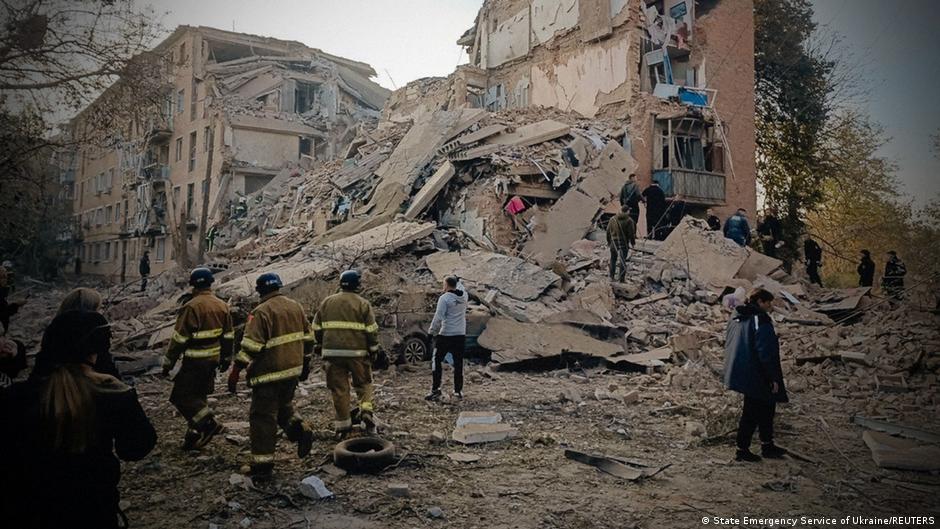
Russian Ballistic Missile Strike on Kyiv Causes Civilian Casualties and Infrastructure Damage
Russian forces launched ballistic missiles on Kyiv on August 20, resulting in multiple civilian deaths and extensive damage to residential and medical facilities.
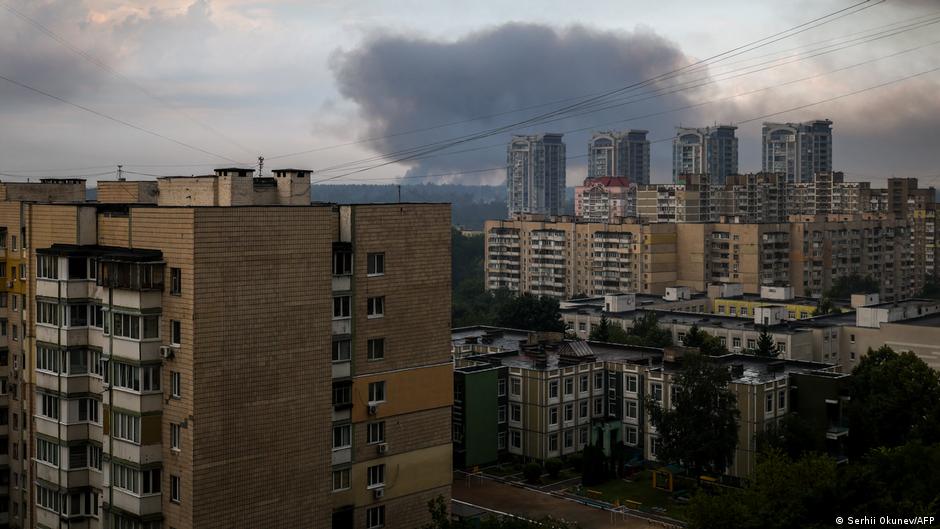
In the early hours of August 20, the Russian military launched a ballistic missile attack on Kyiv, the capital of Ukraine. The assault caused significant casualties and material damage, underscoring ongoing tensions and the severe humanitarian impact of the conflict.
Civilian Impact and Infrastructure Damage
According to the Kyiv City Military Administration, at least five people were killed and 23 injured during the strike. Earlier reports from Kyiv's mayor indicated three fatalities and 20 injuries, with 14 hospitalized and others treated at the scene or outpatient facilities. The attack targeted densely populated urban areas, causing destruction to residential buildings and critical infrastructure.
In the Solomiansky district, missile debris fell near a five-story residential building, shattering windows and igniting fires. A nine-story residential building also sustained serious damage, with its upper floors destroyed. The attack additionally affected a children’s hospital in the area, where vehicles on the hospital grounds were set ablaze.
Damage was not confined to the Solomiansky district; fires broke out in non-residential facilities in the Darnytsky and Sviatoshynsky districts. Ukrainian sources further reported missile strikes on warehouse facilities in Brovary, a suburb in Kyiv Oblast, suggesting a wider operational range and intent to disrupt logistical capabilities.
"The missile strikes targeted both residential and medical facilities, highlighting the severe civilian toll and the strategic aims to undermine critical urban infrastructure," said an independent security analyst.
Economic and Structural Consequences
The attack’s ramifications extend beyond immediate human costs, impacting Kyiv’s urban economy and public services. Residential building damage disrupts housing availability and imposes costs on reconstruction, while damage to healthcare facilities hampers medical services crucial during ongoing conflict and pandemic recovery.
Historically, urban missile strikes in conflict zones often precipitate long-term economic decline in affected areas. Infrastructure damage reduces productivity, displaces populations, and deters investment, compounding pre-existing economic challenges caused by war. The deliberate targeting of civilian infrastructure reflects a strategy to erode morale and administrative capacity in contested regions, with lasting effects on urban economic resilience.
Moreover, the destruction of warehouse and logistical sites in Brovary signals attempts to disrupt supply chains vital for both civilian needs and military logistics. Such attacks can exacerbate shortages, inflate prices for essential goods, and strain public resources, deepening the structural economic consequences of the conflict.
In the context of Ukraine’s broader economic landscape, repeated missile attacks on urban centers impose systemic risks, including decreased foreign investment confidence and increased fiscal burdens on reconstruction and social support.