Russian Defense Ministry Proposes Ending Mandatory Medical Exams for Contract Soldiers Amid Recruitment Struggles
New legal amendments aim to relax medical screening for conscripts and contract troops, signaling deeper challenges in Russia’s military manpower amid ongoing conflict.
The Russian Ministry of Defense has introduced legislative amendments to abolish mandatory medical examinations for contract soldiers and conscripts, except in cases involving serious injuries or illnesses. This move, part of broader personnel recruitment adjustments during the ongoing conflict with Ukraine, reflects systemic pressures within Russia's military human resources management.
Context and Implications of the Proposed Amendments
On July 3, the Ministry of Defense published a draft law for public discussion and anti-corruption review, proposing to limit compulsory medical fitness assessments during mobilization, martial law, or wartime. Under these changes, only individuals presenting visible injuries or serious diseases would undergo medical evaluations to determine their fitness for service. The exact medical examination procedures would be defined internally by the Defense Ministry.
"Judging by the draft law, the recruitment of contract soldiers is so dire that mandatory medical exams are being considered for abolition," noted Grigory Sverdlov, head of the human rights initiative "Go to the Forest," which assists individuals evading conscription.
This legislative shift signals a move away from comprehensive health screenings toward a more selective approach, potentially lowering the standards for military enlistment. Such a change raises concerns about the physical readiness and long-term sustainability of Russia's armed forces, especially given the ongoing demands of the full-scale war against Ukraine.
Recruitment Challenges and Structural Economic Consequences
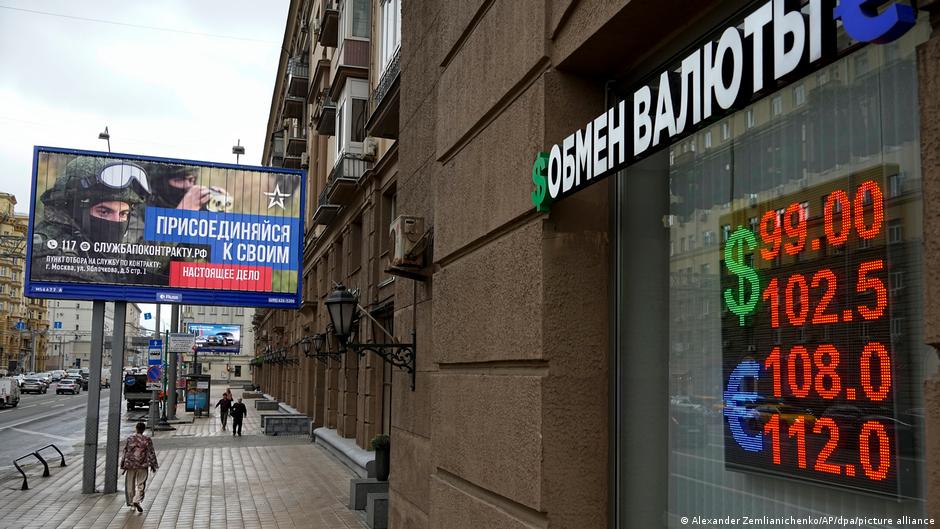
The proposal must be understood against a backdrop of mounting difficulties in securing sufficient contract soldiers. Recent months have seen a series of measures aimed at boosting military enlistment numbers, including a debt relief law signed by President Vladimir Putin in late May for new contract recruits. Recruitment efforts have also extended beyond Russian borders, with reports of enlistment drives offering positions "behind the Special Military Operation front" in Belarus and China.
Domestically, regions like Penza Oblast have witnessed enforcement actions pressuring men into signing military contracts. Furthermore, media speculation about a new wave of mobilization adds to the uncertainty surrounding Russia's recruitment capacity. These developments indicate structural stress on Russia's labor market and social fabric, as the state increasingly intervenes to meet military manpower needs.
From an economic standpoint, relaxing medical standards may reflect an urgent trade-off between the quantity and quality of military personnel. While this approach might temporarily increase troop numbers, it risks long-term operational effectiveness and could impose higher costs related to health care and veteran support. Additionally, forced recruitment measures and overseas enlistment strategies highlight the economic strains of sustaining protracted conflict and the challenges in balancing military demands with workforce availability.
Historical Parallels and Future Risks
Historically, countries engaged in prolonged warfare have resorted to lowering enlistment criteria or increasing conscription aggressiveness when volunteer recruitment falls short. Such policies often result in weakened military capability and increased societal tensions. Russia's current trajectory mirrors these patterns, suggesting potential structural and demographic challenges ahead.
As the Ministry of Defense moves forward with these amendments, the broader economic and social implications demand close scrutiny. The intersection of military necessity and human capital management will continue to shape Russia's capacity to sustain its military efforts and maintain domestic stability in the coming years.