Russian Drone Attacks on Kharkiv Mark Escalation in Conflict with Civilian Impact
Multiple districts in Kharkiv hit by Russian drones causing civilian injuries and property damage amid broader missile strikes in Ukraine.
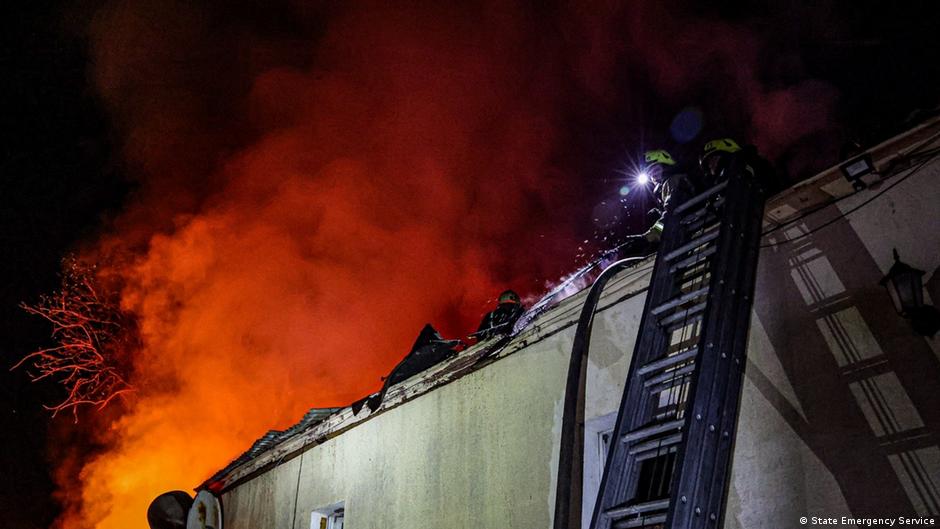
On the night of July 12, Russian forces launched a series of drone strikes targeting Kharkiv, Ukraine’s second-largest city, resulting in damage to more than 20 residential buildings and injuries to civilians, including a 16-year-old girl. The attacks are part of a broader pattern of intensified missile and drone assaults across multiple Ukrainian regions, indicating a strategic escalation in the ongoing conflict.
Strategic Implications of Drone Warfare in Urban Centers
Kharkiv's Shevchenkivskyi district suffered direct hits from Russian drones, leading to civilian casualties and significant property damage, according to local officials. Additional impacts were reported in the Kyivskyi and Saltivskyi districts, where infrastructure such as a garage cooperative was set ablaze. The mayor of Kharkiv, Ihor Terekhov, confirmed three civilians sought medical assistance following the attacks.
The use of drones in urban warfare highlights a tactical shift by Russian forces. Unlike traditional missile strikes, drones allow for targeted attacks with greater precision and potentially lower costs, but also raise concerns about increased civilian vulnerability in densely populated areas. This escalation aligns with recent patterns where unmanned aerial vehicles (UAVs) supplement ballistic and cruise missiles, expanding the scope and frequency of strikes.
“The drone attacks on residential neighborhoods mark a troubling evolution in the conflict, blurring the lines between military targets and civilian areas,” noted conflict analysts.
Beyond Kharkiv, Russian forces targeted a food industry enterprise in the city of Dnipro. Preliminary reports from regional governor Oleksandr Hanzha indicate no casualties occurred, but damage to critical industrial infrastructure could have longer-term economic consequences.
Concurrently, Ukrainian Air Forces reported multiple launches of drones and guided aviation bombs towards regions including Sumy, Zaporizhzhia, Donetsk, Poltava, and Odesa. The previous day, on July 11, Russia launched a complex missile barrage involving Iskander-M ballistic missiles, cruise missiles (Kh-59/69), anti-radiation missiles (Kh-31), and an unprecedented deployment of 121 drones.
Kiev was heavily affected by the ballistic missile strike on July 11, with 12 wounded. Drone strikes also impacted civilian enterprises in Kharkiv. In Odesa, a missile attack resulted in two fatalities. Meanwhile, the city of Sumy experienced a daytime bombing that killed five and injured 30 people. Additional injuries were reported in Zaporizhzhia following the Russian use of guided bombs.
Historical Parallels and Economic Consequences
Historically, protracted conflicts involving drone and missile warfare have led to sustained economic disruptions in affected urban centers. The targeting of industrial facilities, such as the food production plant in Dnipro, can disrupt supply chains, exacerbate food security concerns, and hinder local economies already strained by war.
The ongoing attacks reflect a pattern seen in other conflicts where strategic targeting of civilian infrastructure aims to undermine societal resilience. The damage to residential areas in Kharkiv signals a growing humanitarian crisis, with reconstruction costs and displacement adding to Ukraine's economic burdens.
Analysts caution that these developments may contribute to longer-term structural economic challenges, including reduced investment, labor market disruptions, and increased government expenditure on emergency response and rebuilding efforts.