US Removes Syria from State Sponsors of Terrorism List Amid Shifting Geopolitical Dynamics
Washington's decision marks a pivotal shift in Syria's international status, signaling potential reintegration into the global economy after decades of isolation.
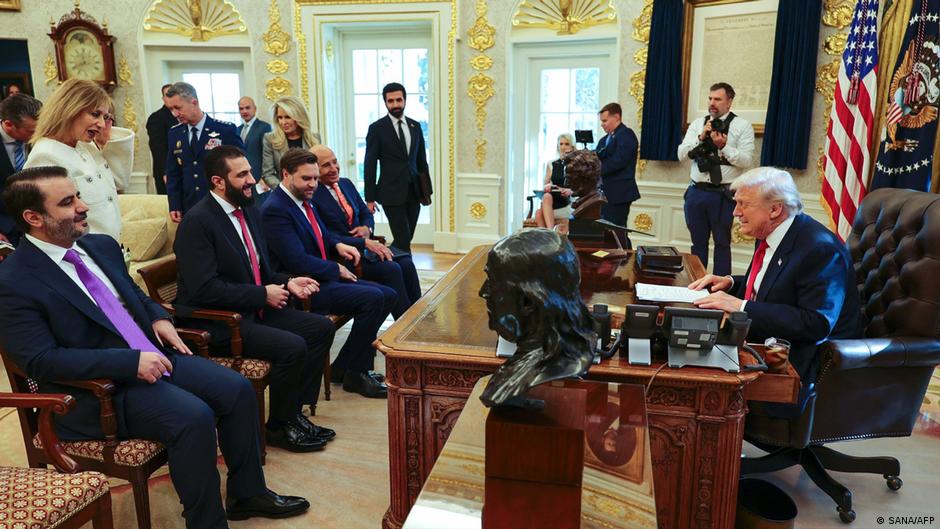
The United States has officially removed Syria from its State Sponsors of Terrorism list, a designation that had remained in place for nearly half a century. This move, announced by the U.S. Department of State and Treasury on August 24, 2025, marks a significant milestone in the evolving relationship between Washington and Damascus, and carries profound implications for Syria's economic and geopolitical future.
From Isolation to Reintegration: Historical and Economic Context
Syria had been designated as a state sponsor of terrorism since the 1970s, a status that led to comprehensive U.S. sanctions restricting Syria's access to international finance and trade. These sanctions have severely limited Syria’s ability to attract foreign investment and technology, exacerbating the economic devastation that followed years of conflict and political instability.
The recent U.S. policy shift is closely tied to the overthrow of the Assad dynasty in late 2024, ending more than five decades of dynastic rule. The new transitional authorities, led by the group Hayat Tahrir al-Sham (HTS) and its interim president Ahmed al-Sharaa, have successfully established diplomatic relations with several Western countries, including Germany and the Trump administration in the U.S.
“The Treasury Department is fulfilling President Trump’s promise to give the Syrian people a chance for greatness,” said Treasury Secretary Scott Bessent. “Today’s actions will help attract additional investment to Syria to strengthen political and economic stability.”
The removal from the terrorism sponsorship list is accompanied by the lifting of sanctions on HTS itself, a group that rose to power following the Assad regime's fall. This unprecedented normalization effort reflects a strategic recalibration by Washington, aiming to foster stability and counterterrorism cooperation in the region.
Structural Economic Consequences and Challenges
Syria's exclusion from the sanctions list opens the door for deeper integration into the global economic and financial systems. According to interim Finance Minister Mohammed Barnia, this breakthrough paves the way for attracting investments, modern technologies, and expanding development opportunities that have been inaccessible due to longstanding isolation.
However, reintegration is fraught with challenges. The Syrian economy remains fragile after years of conflict, infrastructure devastation, and international embargoes. Moreover, political uncertainty persists as the transitional government consolidates power and navigates complex domestic and regional dynamics.
Foreign direct investment inflows may be cautious, given lingering questions about governance, regulatory transparency, and security. Yet, the removal from the terrorism list signals a willingness by Washington to engage economically with Damascus, potentially catalyzing reconstruction and economic recovery efforts.
Geopolitical Implications and Regional Stability
While relations with the West appear to be improving, Syria’s ties with neighboring Israel remain fraught with tension. Recent Israeli airstrikes targeting a northwestern Syrian airfield underscore ongoing security concerns. These strikes were condemned by Damascus as "unjustified aggression" and also drew criticism from the Trump administration.
Furthermore, Israel’s ultra-right government views the growing Turkish military presence in Syria—a development supported by the new Syrian authorities—with suspicion. Turkey’s vocal criticism of Israeli policies in Palestinian territories further complicates regional dynamics; notably, Turkey has initiated international legal actions against Israeli Prime Minister Benjamin Netanyahu.
In addition, the status of the Golan Heights continues to be a major point of contention. Israel maintains control over much of this Syrian territory, a situation officially recognized by the UN and EU as occupation. Since the political upheaval in Syria, Israel has expanded its settlements and military presence in the region, underlining the intractability of this territorial dispute.
“Removing Syria from the list represents a decisive step towards transforming the country from a source of terrorism to an active partner in global counterterrorism efforts,” said U.S. Special Envoy for Syria Tom Barrack.
This U.S. strategic pivot aims to leverage diplomatic normalization as a tool to encourage stability and reduce conflict risks in a deeply fractured region. Whether this recalibration will successfully foster long-term peace and economic revival in Syria remains to be seen, as entrenched regional rivalries and domestic uncertainties continue to shape the landscape.
In sum, Washington’s decision to delist Syria as a sponsor of terrorism is a momentous development with far-reaching economic and geopolitical consequences. It opens a new chapter for Syria’s engagement with the world economy and international institutions, while simultaneously reshaping the regional balance of power and security calculus.