Russian Drone Strike on Odessa Causes Civilian Casualties and Infrastructure Damage
Russian military strike on residential areas in Odessa injures at least three civilians, highlighting ongoing conflict's impact on urban centers.
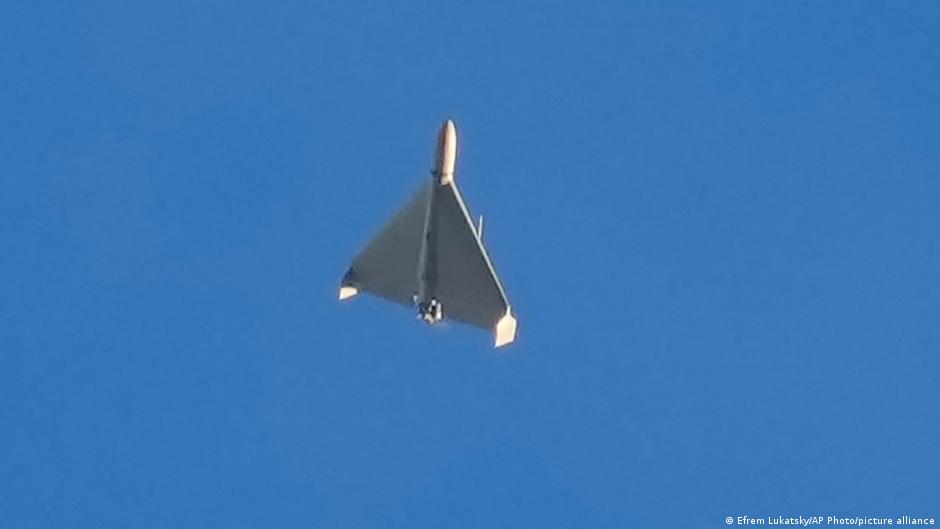
In the early hours of April 24, Russian military forces launched a drone attack on the Ukrainian port city of Odessa, targeting residential neighborhoods and causing multiple casualties and infrastructure damage. Authorities from both the city and regional military administrations confirmed the incident, reporting injuries to at least three civilians.
Contextualizing the Attack within the Larger Conflict
Odessa, a strategic Black Sea port with significant economic and geopolitical importance, has faced intermittent attacks throughout the ongoing conflict between Russia and Ukraine. The recent drone strike represents a continuation of Russia's tactical use of unmanned aerial vehicles (UAVs) to disrupt civilian life and critical infrastructure beyond frontline combat zones.
Sergey Lysak, head of Odessa's City Military Administration, detailed the damage sustained in the assault. Multiple residential buildings, including two two-story and one three-story structures, suffered direct hits. Medical personnel treated three individuals for injuries sustained during the attack, including a 72-year-old woman and a 52-year-old man who suffered shrapnel wounds. The elderly woman was hospitalized, highlighting the vulnerability of civilian populations in urban conflict zones.
In addition to residential damage, non-residential buildings also sustained impacts, and vehicles parked nearby were damaged, indicating a broader material toll beyond human casualties. Oleg Kiper, the head of Odessa Regional Military Administration, emphasized the destruction of apartments on the second and third floors of one three-story building, underscoring the physical and psychological toll on residents.
"The strike severely damaged homes and injured civilians, demonstrating the persistent threat posed by drone warfare in densely populated areas," noted regional authorities.
The use of drones in this context reflects evolving military tactics with significant implications. UAVs allow for precision strikes with reduced risk to attacking forces but often increase the unpredictability and reach of violence into civilian spaces.
Economic and Structural Implications for Odessa
Odessa's economy is heavily reliant on its port activities, tourism, and related services. The repeated targeting of residential areas and infrastructure complicates the city's economic recovery and disrupts the daily lives of its inhabitants. Damage to housing stock reduces available accommodation and forces displacement, which in turn puts pressure on local authorities and resources.
Moreover, the psychological impact of drone strikes on civilian populations can lead to longer-term economic consequences. Persistent insecurity discourages investment, disrupts labor markets, and undermines social cohesion. Urban centers like Odessa, which function as economic hubs, face compounded challenges when civilian infrastructure is targeted.
Historically, conflicts involving urban drone warfare, such as in the Middle East, have demonstrated that such tactics can prolong instability by embedding fear within the civilian population and straining municipal capacities to respond.
As the conflict continues, the targeting of cities like Odessa highlights the evolving nature of modern warfare and its intersection with economic resilience. Understanding these dynamics is crucial for policymakers, humanitarian agencies, and economic planners engaged in the region's recovery and stabilization efforts.