Russian Drone Strikes Hit Residential Areas in Zaporizhzhia and Konotop Amid Ongoing Conflict
Drone attacks by Russian forces caused civilian casualties and infrastructure damage in two Ukrainian cities, highlighting the conflict's severe impact on non-combatants.
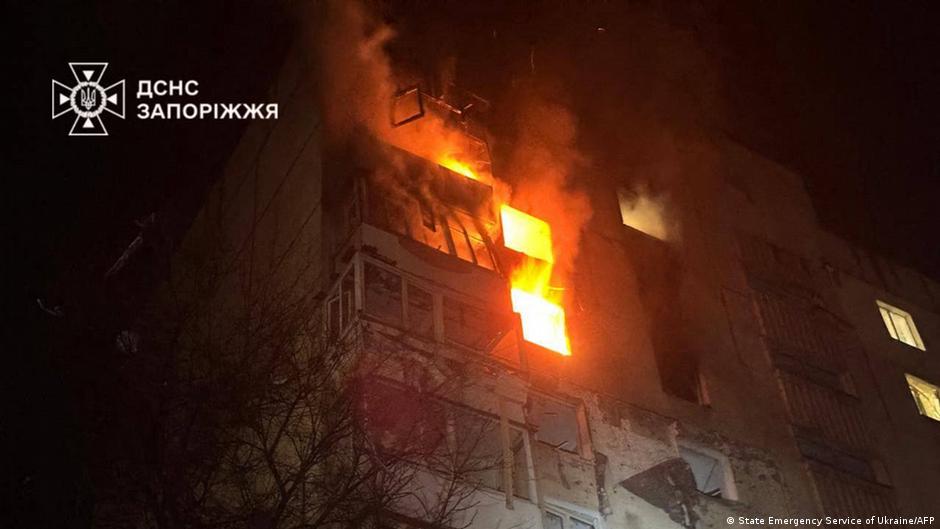
On June 4, 2024, Russian military forces conducted drone strikes targeting residential neighborhoods in the Ukrainian cities of Zaporizhzhia and Konotop, resulting in civilian casualties and significant damage to infrastructure. These attacks underscore the persistence of hostilities and their deepening humanitarian consequences amid the broader Russo-Ukrainian conflict.
Civilian Impact and Infrastructure Damage
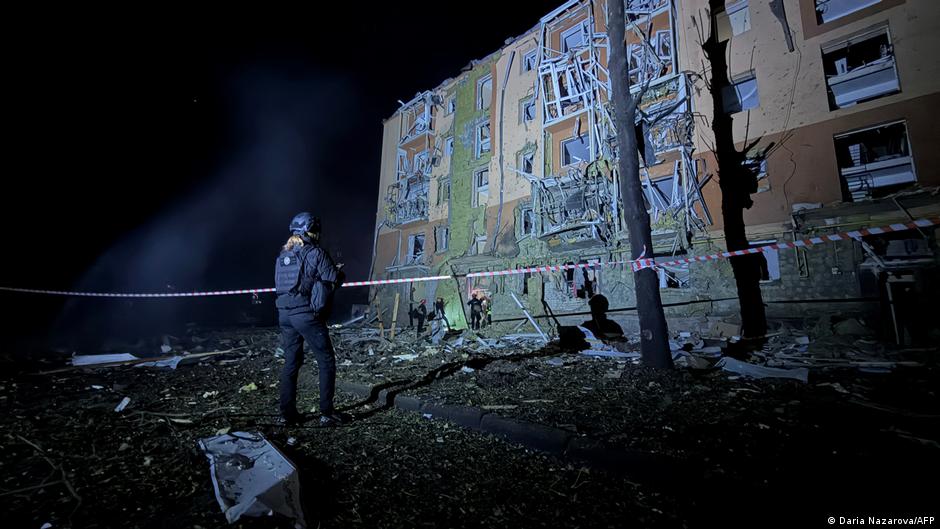
In Zaporizhzhia, a multi-story residential building and nearby vehicles were damaged following drone strikes in a sleeping district. The local military-civil administration head reported the death of a 44-year-old woman and injuries to 11 others ranging in severity. Similarly, in Konotop, located in the Sumy region, at least five people were injured, including children.
“All three children and their mother, born in 1988, who were injured during the attack are currently hospitalized,” said the mayor of Konotop, highlighting the direct impact on families and vulnerable populations.
The attack in Konotop also caused a fire in a private home, with two adults and three children present at the time, and resulted in the city losing water and partial electricity supply. Such destruction to essential services exacerbates the humanitarian crisis and complicates civilian resilience.
Broader Context and Economic Consequences
These strikes are part of an ongoing pattern of targeting civilian infrastructure, which has profound structural economic consequences for Ukraine. The destruction of housing, utilities, and public services not only displaces residents and inflicts immediate human suffering but also undermines economic stability and recovery potential in affected regions.
The attacks also occurred in Kherson, where a drone strike killed a 75-year-old man, further illustrating the widespread nature of violence against civilian areas across multiple Ukrainian cities. The use of drones as tactical tools in urban conflict zones signals a shift toward remote-controlled warfare with significant ramifications for urban planning, emergency response, and public health.
Historically, attacks on civilian infrastructure during wartime have led to long-term economic degradation, as seen in conflicts across the 20th and 21st centuries. The Ukrainian experience today resonates with these patterns, where rebuilding efforts demand significant investment and time, further complicated by ongoing hostilities.
Looking Ahead
As these drone strikes illustrate, the war’s impact extends beyond traditional battlefields, deeply affecting civilian populations and economic structures. For Ukraine, recovery and reconstruction will require not only peace but also comprehensive strategies to restore critical infrastructure and support displaced communities.
Internationally, the persistent targeting of civilian areas challenges existing frameworks of conflict regulation and humanitarian protection, prompting calls for renewed attention to the economic and social costs of modern warfare.