Russian Election Chief Advocates Stripping Voting Rights from Emigrated Citizens Labeled 'Foreign Agents'
Ella Pamfilova calls for depriving Russians who have left the country and are designated 'foreign agents' of voting rights, igniting debate on electoral integrity and diaspora policy.
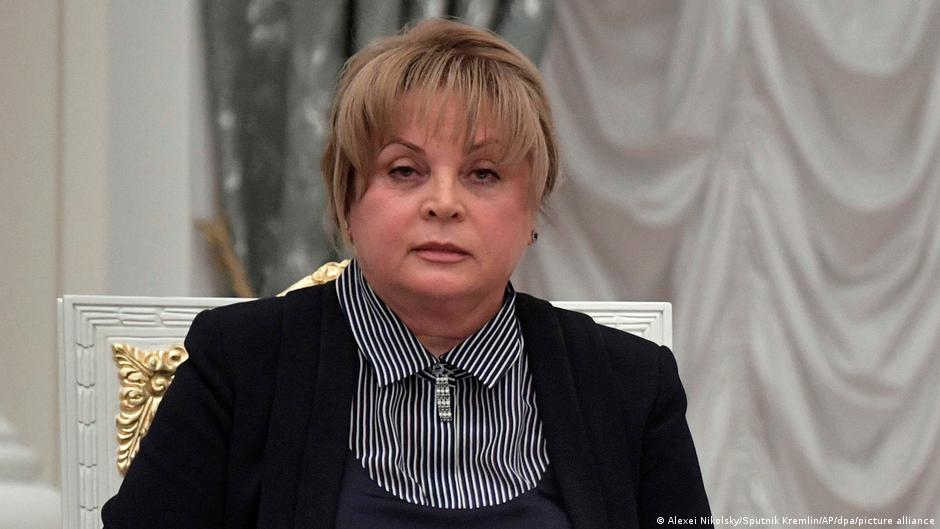
The question of whether Russians living abroad and designated as "foreign agents" can participate in elections is a contentious issue that Russia's new State Duma deputies are expected to address. Ella Pamfilova, Chairperson of Russia's Central Election Commission (CEC), has voiced a firm stance: citizens who have emigrated and are labeled "foreign agents" should be stripped of their voting rights.
Context and Implications of Denying Voting Rights to Emigrants
In an interview with Russian media, Pamfilova stated, "I believe that if a person has left the country and betrayed it, then they should be cast out. That is my position." This position underscores an emerging policy approach in Russia that increasingly ties political rights to loyalty and physical presence within the country. The designation "foreign agent," initially introduced in 2012, has expanded from targeting non-profit organizations receiving foreign funding to encompassing media outlets and individuals since 2017 and 2020 respectively. This label subjects those listed to enhanced state scrutiny, mandatory disclosures, and legal restrictions.
According to Pamfilova, the CEC has recommended that Russian ambassadors in so-called "unfriendly countries" inquire whether local authorities can guarantee the safety and integrity of Russian elections held abroad. This recommendation responds to concerns that Russian emigrants, especially those labeled as "foreign agents," might intensify political activism against the Russian government from abroad, potentially influencing electoral outcomes.
"This group of people who fled the country is becoming increasingly active. We are coordinating with the Ministry of Foreign Affairs and our diplomatic staff to minimize risks," Pamfilova explained.
She added that it falls upon the new legislature to amend electoral laws accordingly. While emphasizing Russia's law enforcement agencies' capabilities to define a comprehensive category of individuals to be excluded from voting, her remarks signal a push toward a narrower definition of political participation rights for Russians abroad.
Structural Consequences for Russian Democracy and Its Diaspora
The move to restrict voting rights for emigrants, particularly those branded "foreign agents," reflects broader trends in Russia's tightening control over civil society and political expression. The "foreign agent" designation carries significant operational burdens, including stringent reporting requirements, financial penalties, and social stigma, which collectively undermine the activities of organizations and individuals engaged in dissent or independent civic work.
From an economic and societal perspective, these policies may exacerbate the alienation of the Russian diaspora, many of whom left due to political or economic pressures. By disenfranchising this demographic, the state risks further disconnecting itself from a segment of its population that could serve as cultural and economic bridges internationally.
Historically, restricting diaspora voting rights has been a double-edged sword. It might consolidate domestic electoral control in the short term but can also impair soft power and diminish the home country's influence abroad. In Russia's case, these restrictions come amid escalating geopolitical tensions and a domestic crackdown on perceived foreign interference, underscoring a defensive posture that prioritizes regime security over broad-based representational inclusivity.
Ultimately, the debate over emigrant voting rights touches on the very definition of political membership and citizenship in the 21st century. It raises critical questions about how states balance sovereignty, diaspora engagement, and democratic principles in an era of increasing transnational mobility and ideological polarization.