Russian Military Strikes Zaporizhzhia Causing Power Outages and Fires Amid Ongoing Conflict
Recent Russian attacks on Zaporizhzhia have resulted in significant infrastructure damage, highlighting the region's vulnerability amid the prolonged war.
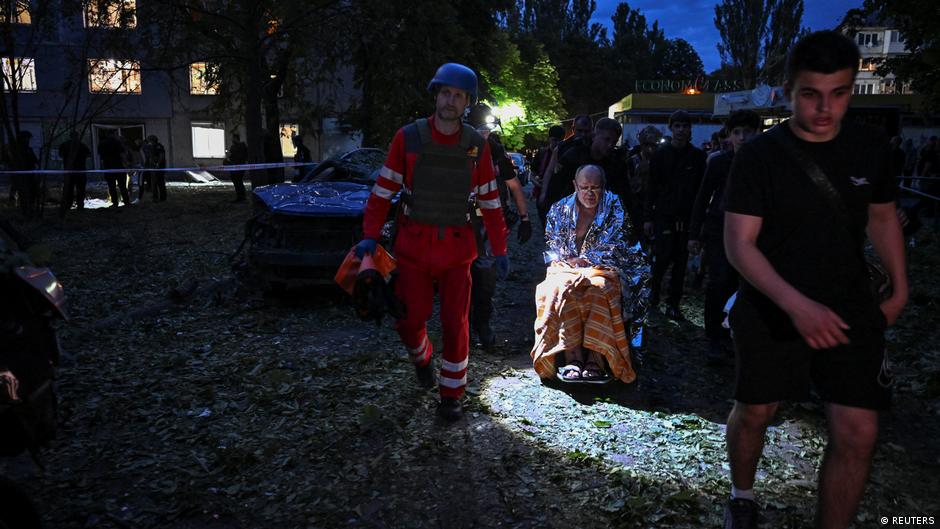
On June 7, the city of Zaporizhzhia experienced a renewed wave of disruption following a targeted attack by Russian military forces. The assault led to a fire outbreak and partial power outages in one of the city's districts, according to Ivan Fedorov, head of the Zaporizhzhia Regional Military Administration. Emergency services were promptly dispatched to manage the situation.
Infrastructure Under Fire: Immediate and Historical Impact
The attack involved the use of guided aerial bombs and ballistic missiles, as warned by regional authorities overnight. These tactics underscore a disturbing pattern of targeting civilian infrastructure, a strategy that has been observed throughout the conflict. The power outage that ensued has compounded the difficulties faced by residents, disrupting daily life and essential services.
"Energy specialists are already working to restore electricity to consumers," Fedorov stated, emphasizing the ongoing efforts to mitigate the damage and restore normalcy.
Earlier in June, on the 4th, the city suffered a similar attack when Russian forces deployed drones against a residential neighborhood. This assault caused damage to a multi-story apartment building and several vehicles, tragically resulting in the death of a 44-year-old woman and injuries to 16 others. Such incidents highlight the humanitarian toll and the persistent threat to civilian areas.
Zaporizhzhia's strategic significance as a regional hub and its proximity to conflict zones make it especially susceptible to repeated attacks. The sustained military pressure not only undermines local infrastructure but also disrupts economic activity, exacerbating the broader economic consequences of the war.
Historically, the destruction of critical infrastructure during armed conflicts has long-term ramifications on regional economies. Energy supply interruptions impede industrial operations and commerce, while damage to residential areas displaces populations and strains social services. The current assaults on Zaporizhzhia mirror these patterns, signaling a protracted economic and social challenge for the region.
The recurrence of such attacks raises questions about the resilience of Ukraine's energy and urban infrastructure under sustained military pressure. It also points to the necessity of bolstering civil defense mechanisms and emergency response capabilities to reduce civilian hardship and economic disruption.
In the broader context, the degradation of infrastructure in frontline regions like Zaporizhzhia contributes to the destabilization of economic systems, both locally and nationally. It underlines the strategic dimensions of infrastructure targeting in modern warfare, where disrupting energy and utilities serves to erode not only physical assets but also public morale and economic stability.
As efforts continue to restore essential services, the economic outlook for Zaporizhzhia remains uncertain. Recovery will require not only reconstruction of physical infrastructure but also comprehensive strategies to address the socio-economic fallout from the conflict-induced disruptions.