Russian Missile and Drone Strikes on Ukrainian Cities Signal Escalation With Civilian Casualties
Russia’s intensified attacks on Ukraine’s urban centers result in multiple deaths and injuries, raising alarms over conflict escalation and economic disruption.
In the early hours of June 2, Russia launched a series of large-scale missile and drone attacks targeting multiple Ukrainian cities, resulting in significant civilian casualties and infrastructural damage. This offensive marks a critical escalation in the ongoing conflict, with far-reaching economic and humanitarian consequences.
Context and Immediate Impact of the June 2 Attacks
According to Ukrainian Air Force reports, the Russian military deployed Kalibr cruise missiles launched from the Caspian Sea to strike urban targets across Ukraine. The strikes followed a warning by Ukrainian President Volodymyr Zelensky on June 1 about a possible intensification of Russian attacks after Russia’s President Vladimir Putin claimed that a recent Ukrainian attack in the annexed Luhansk region had introduced a "new quality" to the war.
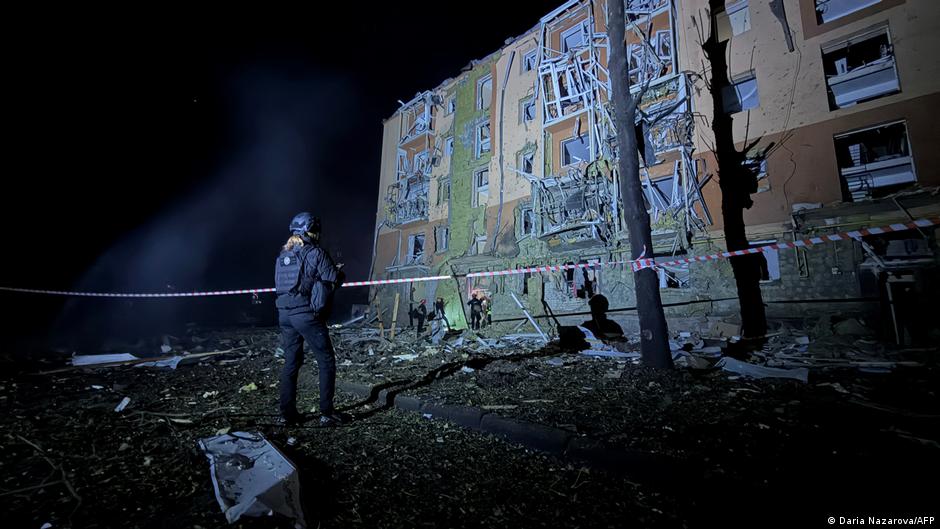
In Kyiv, the Ukrainian capital, four civilians were killed and 51 wounded, with 35 of the injured hospitalized. Vitali Klitschko, Mayor of Kyiv, reported power outages in three city districts. Additionally, missile debris struck a residential building in the Podilskyi district, causing fires and structural damage.
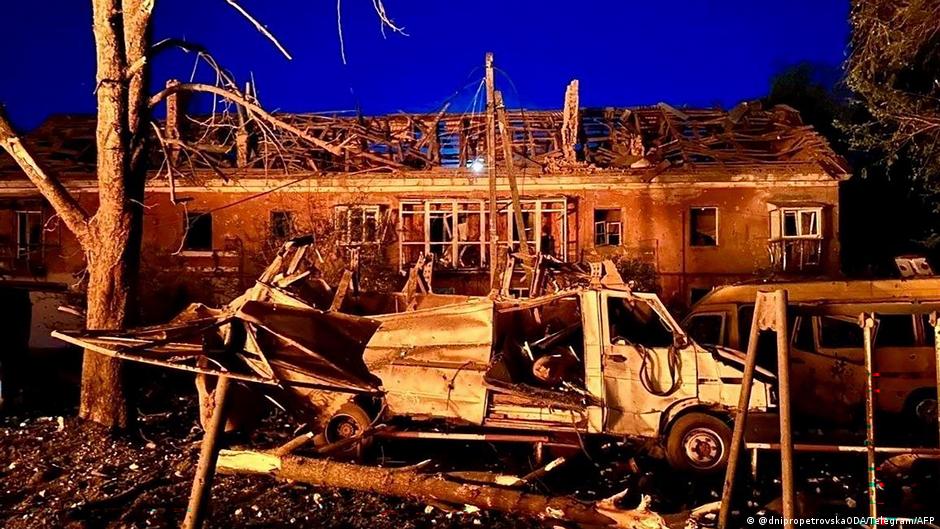
Further east in Dnipro, five civilians lost their lives, including a 73-year-old woman, and 25 people were wounded. The regional military administration head, Oleksandr Hanzha, noted that one missile hit a residential area, igniting a fire. In Kharkiv, six individuals, including an 11-year-old girl, were injured across two districts during the strikes, according to local officials.
Authorities continue to assess damage and track falling missile and drone debris across various Ukrainian cities. The full scope of casualties and infrastructural impact remains under evaluation as investigations proceed.
Historical Parallels and Strategic Implications
"The June 2 attack signals a strategic shift, emphasizing not only military objectives but also economic and civilian disruption," observes defense analyst Natalia Sokolova.
This wave of attacks parallels earlier Russian strikes in late May, including a missile barrage on Kyiv on May 24 that resulted in two deaths and 80 injuries. Notably, this was the third documented use of the "Oreshnik" missile type by Russian forces, indicating evolving tactical weaponization.
Putin’s remarks on June 1 framed the Ukrainian strike on Starobilsk, in the occupied Luhansk region, as transforming the conflict's nature. That Ukrainian counterattack damaged local infrastructure, including a college facility, and reportedly resulted in 21 student deaths according to occupation authorities. This intensification points to an entrenched conflict dynamic with escalating urban warfare, which historically has led to severe economic disruption.
Structural Economic Consequences
The targeting of urban centers has profound implications beyond immediate human tragedy. Ukrainian cities like Kyiv, Dnipro, and Kharkiv serve as critical economic hubs, industrial centers, and transportation nodes. Damage to civil infrastructure—electric grids, residential housing, and transport facilities—risks long-term economic destabilization.
The recurrent missile attacks heighten uncertainty, deter investment, and disrupt supply chains, exacerbating inflation and unemployment challenges in an already war-weakened economy. Moreover, the destruction of homes and displacement of civilians impede human capital development and erode social cohesion.
Internationally, these escalations may affect global commodity markets by hampering Ukraine’s agricultural and industrial output, further adding pressure to already fragile supply chains worldwide.
Conclusion
The June 2 Russian missile and drone strikes mark a severe escalation in the ongoing conflict with immediate human costs and far-reaching economic consequences. As urban centers become increasingly militarized targets, the prospects for a stable economic environment in Ukraine diminish, underscoring the urgent need for diplomatic engagement to prevent further humanitarian and economic deterioration.