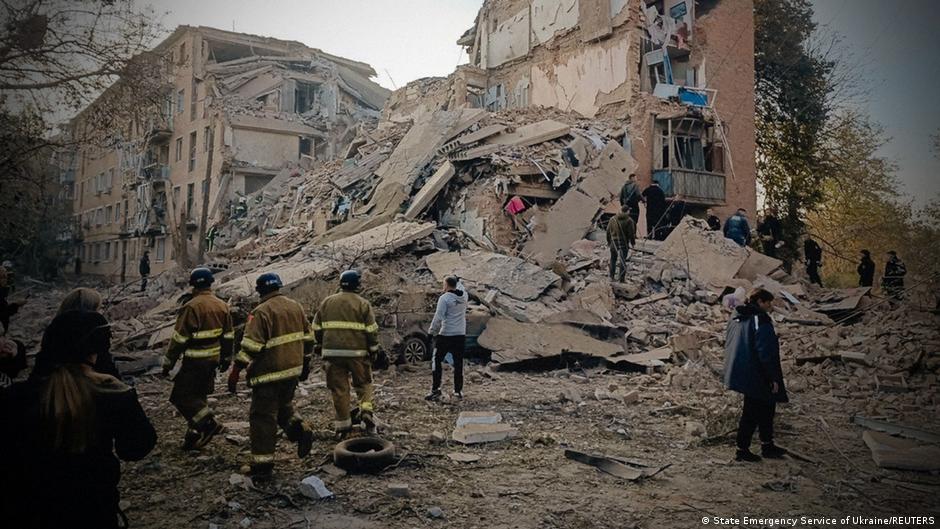
Russian Missile Strikes in Kyiv Region Result in Civilian Casualties and Structural Damage
Overnight missile and drone attacks on Kyiv and Kyiv Oblast cause civilian deaths and fires, underscoring ongoing conflict impacts on Ukraine’s urban infrastructure.
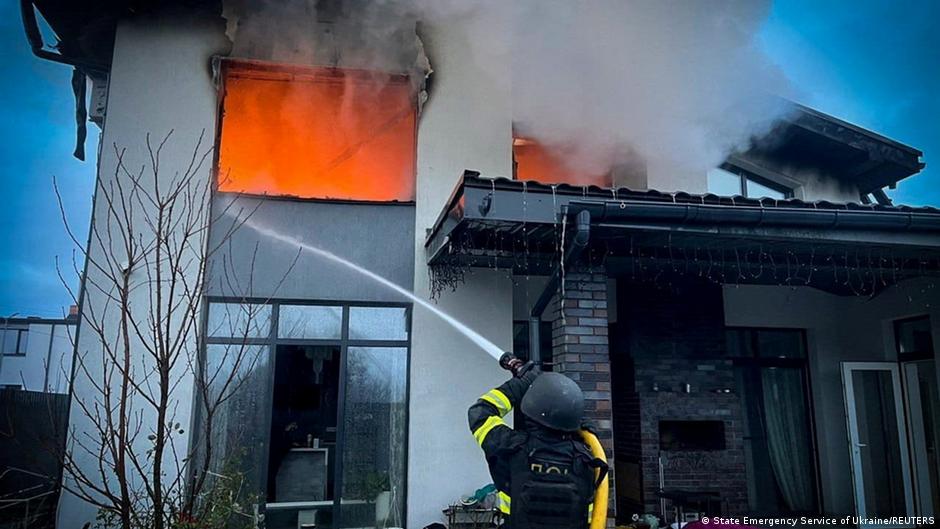
On the night of August 8, Russian forces launched a combined missile and drone assault targeting Kyiv and the surrounding Kyiv Oblast, resulting in multiple civilian casualties and significant property damage. According to regional authorities, three people, including a child, were killed in the Brovary district, and three others were injured, highlighting the lethal toll on civilian populations amid the ongoing conflict.
Context and Consequences of the Attack
The attacks unfolded in multiple locations within the Kyiv region. The Brovary district experienced impacts at three different sites, with debris damaging a private residence, several outbuildings, vehicles, and igniting fires in non-residential structures. The exact nature of the debris—whether from ballistic missiles or strike drones—was not immediately clarified by regional officials.
Simultaneously, the Kyiv City Military Administration reported an air raid alert due to the use of ballistic missiles targeting the capital. Over the course of the night, multiple explosions were heard in Kyiv, accompanied by alerts warning of threats from ballistic weaponry originating from the north. Emergency services responded to several fires, including one in the Holosiivskyi district affecting non-residential buildings and another involving fuel storage tanks in Obolonskyi district, suggesting potential risks to critical urban infrastructure.
“At present, in the Brovary district, the consequences of enemy attacks are recorded in three locations. Unfortunately, three people, including a child, have died. Three others, including another child, are injured,” said the head of Kyiv Regional Military Administration.
These attacks underscore the persistent vulnerability of Ukrainian urban centers to Russian missile and drone strikes, with significant implications for civilian safety and infrastructure resilience.
Economic and Structural Implications
Beyond the immediate human toll, these attacks pose serious challenges to Kyiv’s economic and infrastructural stability. Damage to residential properties and vehicles disrupts the housing security and mobility of affected families, increasing humanitarian needs. Fires in industrial and fuel storage facilities further threaten supply chains and energy stability in the capital region, potentially leading to broader disruptions in services and economic activities.
Historically, sustained attacks on urban infrastructure during conflict have had long-term effects on economic recovery and social cohesion. The repeated targeting of critical energy and transportation assets can degrade the operational capacity of cities, delay reconstruction efforts, and deter investment. In the context of Kyiv, maintaining functional infrastructure is vital not only for everyday life but also for sustaining Ukraine’s broader economic resilience amid war.
The ongoing threat of balistic missiles and drones complicates emergency response and disaster management, necessitating continuous adaptation of civil defense mechanisms. These recurrent strikes reflect a strategic effort to undermine Ukraine’s urban centers, highlighting the intersection of military tactics and economic warfare.
As Kyiv and its surrounding regions navigate these challenges, the imperative to enhance infrastructure protection, ensure civilian safety, and mitigate economic disruption remains critical. The broader structural consequences of such attacks will likely influence post-conflict reconstruction priorities and Ukraine’s long-term economic trajectory.