Russian Oil Export Hits Record High in 2026 Amid Shifting Global Market Dynamics
Russia's maritime oil exports reached their highest weekly volume in 2026 despite US sanctions relief for Iran and falling global prices.
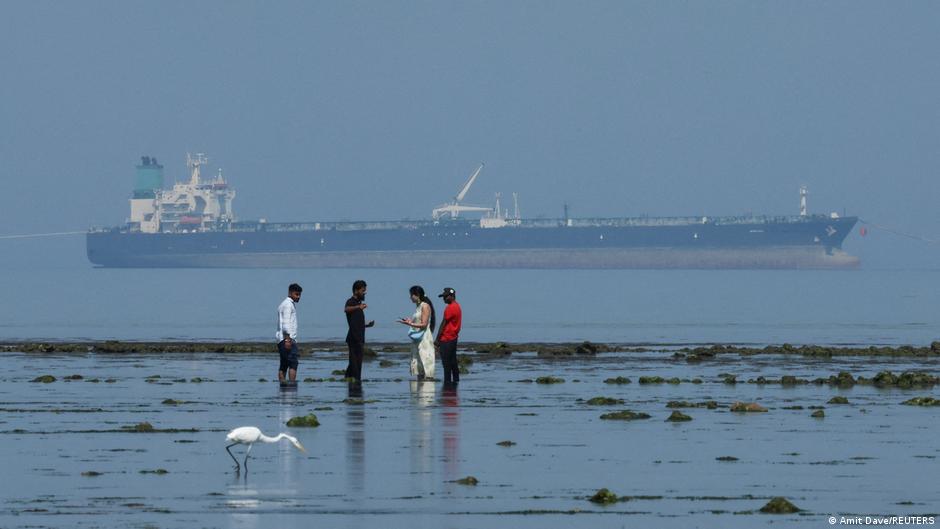
In a notable development within the global energy landscape, Russia has expanded its maritime oil exports to a peak not seen since the start of 2026. According to industry data for the week ending June 21, Russian shipments surged to 28.79 million barrels, equating to an average of 4.11 million barrels per day. This volume marks the largest weekly export figure for Russia this year, surpassing average annual levels recorded since the full-scale conflict in Ukraine began.
Geopolitical Shifts and Market Consequences
This export growth coincides with a complex geopolitical atmosphere. The United States' temporary suspension of sanctions on Russian oil transiting maritime routes, which remained effective until June 17, was part of an effort to mitigate fuel shortages triggered by the conflict involving Iran and the blockade of the strategic Strait of Hormuz. This reprieve allowed Russia to legally ship more crude oil, increasing its market presence despite renewed competition.
"The surge in Russian oil exports, even as US sanctions were temporarily lifted for Iran, underscores Moscow's strategic maneuvering to maintain market share amid intensifying regional challenges."
However, the relaxation of sanctions for Iran following a memorandum of understanding between Washington and Tehran reopened the Strait of Hormuz, subsequently enabling increased Iranian oil flows to global markets. This development has intensified competition, particularly in the critical Indian market where Russian Urals crude traditionally held significant sway.
The reintroduction of Iranian oil has led to a roughly 16% decline in global oil prices, according to market observers. Russian benchmark crudes Urals and ESPO have seen price drops of about 20% over the past week, reflecting heightened market saturation and uncertainty.
Structural Economic Implications for Russia
The confluence of rising export volumes and falling crude prices poses a challenging paradox for Russia. Although physical shipments have reached new highs, total revenue from oil exports is dampened by the steep price declines. Moreover, ongoing attacks by Ukrainian forces on Russian refineries complicate domestic processing capacity, potentially forcing Russia to increase raw oil exports without value-added refining.
This shift could further erode crude prices due to the growing supply of unprocessed oil on international markets. Additionally, to retain market share in regions like India where Iranian crude is gaining ground, Russia may have to deepen export discounts, exerting additional pressure on its energy revenues.
Historically, such dynamics highlight the vulnerabilities of energy exporters reliant on geopolitical leverage and regional influence. The current situation echoes previous periods where shifts in global alliances and trade routes disrupted established supply chains and pricing structures, forcing exporters to adapt or cede market share.
In sum, Russia's recent record export volumes mask underlying structural economic challenges. The interplay of geopolitical realignments, sanctions regimes, and regional conflicts is reshaping the global energy market, with significant consequences for Russia's long-term economic resilience.