US Senate Votes to End Military Action Against Iran Amid Ongoing Peace Talks
The US Senate passed a resolution urging withdrawal of troops from Iran conflict zones, reflecting growing congressional concern despite limited legal authority.
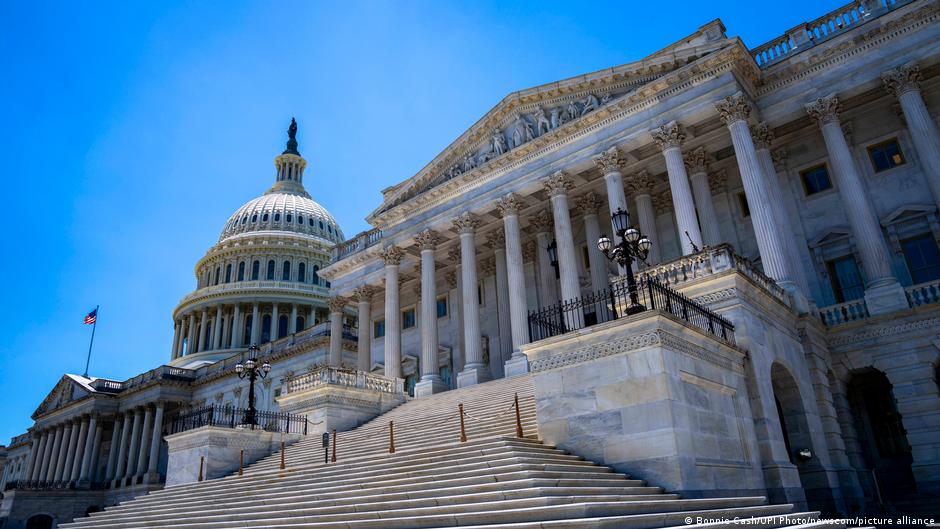
On June 23, 2026, the US Senate narrowly approved a resolution calling for the cessation of military operations against Iran and urging President Donald Trump to withdraw American forces from combat zones involving Iran. The vote, which passed 50-48, signals increasing unease among lawmakers, including Republicans, over the protracted conflict that began in February 2026.
Though previously passed by the House of Representatives, this resolution is largely symbolic, lacking binding legal force. The White House has dismissed the measure as nonessential, noting that it cannot be vetoed by the president but also emphasizing the absence of active hostilities following a ceasefire established in April 2026.
Context and Structural Implications of the Senate Resolution
The resolution reflects a significant moment in the legislative-executive balance of war powers in the United States. Initiated by Senate Democrats, the measure aims to reassert congressional authority over military engagements, underscoring the principle that renewed hostilities should not proceed without explicit congressional approval.
"Congress must clearly signal that resumption of hostilities must not occur without its consent," stated proponents of the resolution, emphasizing legislative oversight in war-making decisions.
Despite the ceasefire, which halted open combat on April 17, 2026, tensions and occasional skirmishes between Washington and Tehran persist. This fragility in peace underscores the resolution's symbolic attempt to bind the executive branch's military actions within clearer political constraints.
In mid-June 2026, both countries signed a two-month memorandum of understanding to cease military actions across various fronts, including Lebanon, while also agreeing to sanctions relief for Iran and the establishment of a reconstruction fund. These steps suggest a cautious but deliberate movement toward stabilizing the region and normalizing bilateral relations.
Negotiations continue on more comprehensive peace agreements, with President Trump recently announcing partial accords concerning nuclear controls, sanctions, and freedom of navigation through the strategic Strait of Hormuz. He also claimed that Iran had consented to international inspections of its nuclear facilities, a significant confidence-building measure that could positively influence future diplomatic engagements.
Nevertheless, the White House maintains that no active combat remains requiring troop withdrawal, framing the Senate resolution as a response more to domestic political dynamics than to battlefield realities.
Historical Parallels and Economic Consequences
This episode echoes previous instances where congressional pushback has sought to constrain presidential war powers, such as during the Vietnam and Iraq conflicts. The symbolic resolution, while not legally binding, functions within a broader political context where legislative bodies seek to influence foreign policy through formal expressions of concern.
Economically, a stable cessation of hostilities and progression toward durable peace with Iran could alleviate significant strains on global oil markets and regional trade routes, especially the Strait of Hormuz, a critical chokepoint for energy supplies. The ongoing conflict has contributed to market volatility and uncertainty, impacting global investment and energy prices.
Furthermore, establishing reconstruction funds and lifting sanctions could open new economic opportunities, potentially integrating Iran more fully into international markets and reshaping geopolitical alliances. Conversely, continued instability risks prolonging economic disruptions and humanitarian costs in the region.
As the US political landscape negotiates the contours of military engagement and peace efforts, the Senate's vote serves as both a symbolic assertion of congressional prerogative and an indicator of shifting domestic and international dynamics.