US Imposes Sanctions on Cuban State Companies Controlling 40% of National GDP
Washington targets five key Cuban state-owned enterprises, escalating economic pressure amid historic tensions.
The United States government has intensified its economic pressure on Cuba by imposing new sanctions on five major state-owned companies that control approximately 40% of the island nation's gross domestic product (GDP). This move marks a significant escalation in the longstanding economic conflict between the two countries.
Sanctions and Their Economic Context
On June 23, the US Treasury announced restrictions against five Cuban companies, three of which are linked to Grupo de Administración Empresarial S.A. (GAESA), a powerful business conglomerate operated by the Cuban Revolutionary Armed Forces. GAESA is estimated to hold liquid reserves of around $14.5 billion as of 2024 and plays a pivotal role in Cuba’s economy, overseeing activities ranging from exports and imports to foreign investments and the production of raw steel.
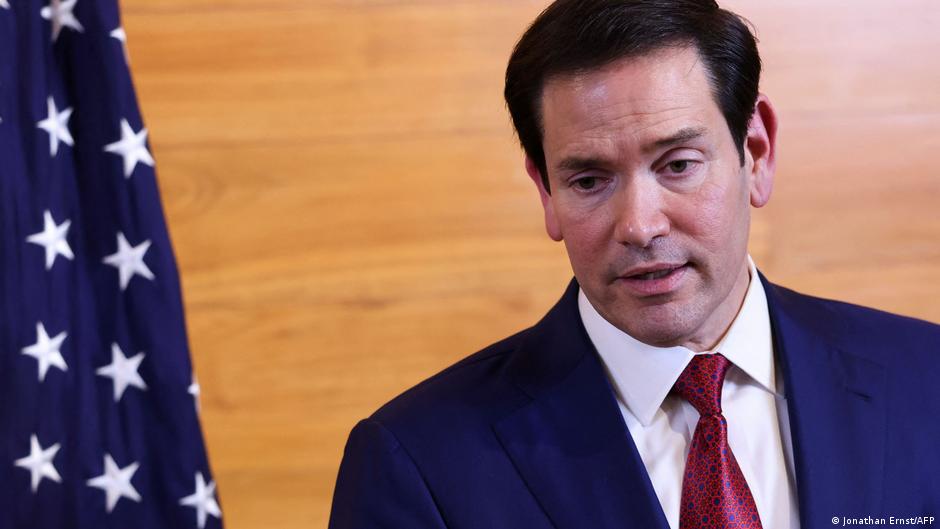
US Secretary of State Marco Rubio emphasized that the Cuban regime leverages GAESA for the enrichment of its ruling elite, financing internal repression, intelligence operations, and anti-American activities. The sanctions also extend to individuals closely tied to the government, including the spouse of Alejandro Castro, head of Cuba’s National Security Council and son of former President Raúl Castro.
In response, Cuban Foreign Minister Bruno Rodríguez condemned the measures as "relentless aggression and collective punishment," labeling Rubio as "dishonest and false," highlighting the deep political animosity underlying these economic moves.
Historical Parallels and Legal Implications
The timing of these sanctions coincides with a recent ruling by the US Supreme Court affirming the rights of American companies to seek compensation for properties nationalized by the Cuban government decades ago. Notably, ExxonMobil was granted permission to sue Cuban entities utilizing a refinery, oil terminals, and over 100 gas stations that were seized in 1960. The potential compensation claims could reach up to $1 billion, according to The Wall Street Journal.
"The ruling may strengthen the position of the US administration and exacerbate tensions between Washington and Havana," experts suggest, underscoring the intertwined nature of legal and economic strategies in US foreign policy toward Cuba.
This legal development revives longstanding grievances stemming from the Cuban Revolution and reflects a broader trend of the US employing multifaceted economic instruments to exert pressure on Cuba’s political system.
Structural Economic Consequences for Cuba
The sanctions against GAESA-affiliated companies target key sectors vital to Cuba’s economy, including foreign trade and industry. Given GAESA’s extensive control over financial reserves and economic operations, these restrictions could significantly impair Cuba’s ability to attract foreign investment and engage in international commerce.
More broadly, the measures may exacerbate Cuba’s ongoing economic challenges, including liquidity constraints and limited access to global financial markets. The targeting of individuals within the political elite also signals an attempt to pressure the regime at a personal level, potentially affecting internal governance dynamics.
Historically, US sanctions on Cuba have had a profound impact on the island’s economic development, creating persistent barriers to growth and modernization. The current escalation reaffirms the US policy stance of leveraging economic tools to influence political change, while also raising questions about the long-term viability of such strategies amid evolving geopolitical contexts.
In conclusion, the latest US sanctions deepen the economic isolation of Cuba's state-controlled sector, particularly the military-linked GAESA conglomerate, and reflect a continued reliance on economic measures as instruments of foreign policy. The cumulative impact on Cuba’s economic structure and political stability remains to be seen, but the renewed legal and financial pressures portend a challenging environment for Cuba’s economic recovery and reform efforts.