Russian State Duma Revises Fuel Dampener Mechanism to Stabilize Domestic Prices
New amendments to Russia’s tax code adjust fuel compensation and sales rules to curb price volatility amid supply challenges.
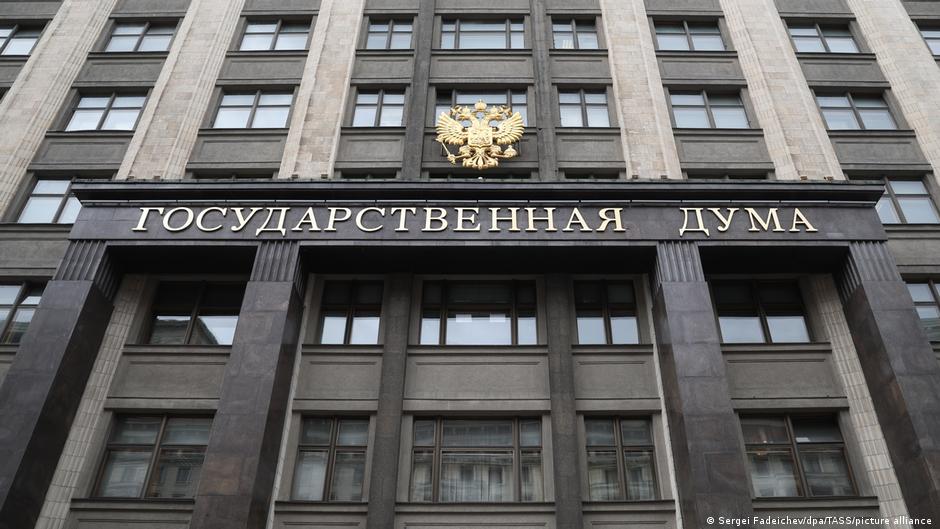
In a strategic move to stabilize fuel prices within Russia, the State Duma has enacted a series of amendments to the Tax Code that recalibrate the country’s fuel dampener mechanism. These changes aim to enhance supply flexibility and mitigate risks associated with price fluctuations on the domestic market.
Context and Structural Implications of the Amendments
The fuel dampener system operates as a state compensation scheme designed to offset certain costs incurred by oil companies when supplying fuel domestically. By revising this mechanism, the government seeks to encourage increased fuel availability while containing price spikes that could destabilize the economy.
The amendments, passed in the second and third readings, were introduced against a backdrop of broader regulatory interventions. Earlier measures included lowering mandatory gasoline sales quotas on commodity exchanges and imposing export restrictions on petroleum products to secure domestic supply.
"These legislative changes are expected to stimulate additional fuel supplies to the internal market and support the buildup of necessary reserves," stated Vyacheslav Volodin, Chairman of the State Duma.
One of the pivotal modifications is the expansion of the types of fuel deliveries factored into the calculation of mandatory minimum sales volumes on exchanges. Notably, the new regulations allow volumes sold outside exchanges under government-determined circumstances to count toward these requirements. This flexibility is particularly relevant to sectors like agriculture, where direct contracts between refineries and authorized fuel suppliers are under consideration to ensure uninterrupted access.
The amendments also extend the fuel dampener compensation to include certain middle distillates — petroleum products closely related to diesel fuel — from July 2026 through July 2027. This reflects an effort to safeguard the supply chain for variants of diesel sold on the domestic market.
Import Compensation and International Price Benchmarks
In addition to domestic supply measures, the legislation introduces a compensation mechanism for imported diesel fuel, paralleling an existing scheme for gasoline. Importers can receive excise tax offsets to cover part of the cost differential when imported fuel prices exceed domestic wholesale prices. However, these payments are conditional and only applicable during periods when export restrictions on diesel and aviation kerosene are concurrently in effect.
To determine compensation levels for diesel imports from third countries, the law benchmarks export prices to those prevailing in India, adjusted for shipping to Russian ports. India, a major global exporter accounting for approximately 6% of maritime petroleum product deliveries worldwide, is thus used as a pricing reference rather than a mandated source.
Moreover, the legislation sets a preferential compensation coefficient of 0.9 for diesel supplies from Belarus, making these imports financially more attractive compared to general import rules. This preferential treatment underscores Russia’s strategic economic partnership with Belarus amid heightened geopolitical and market uncertainties.
Historical and Economic Background
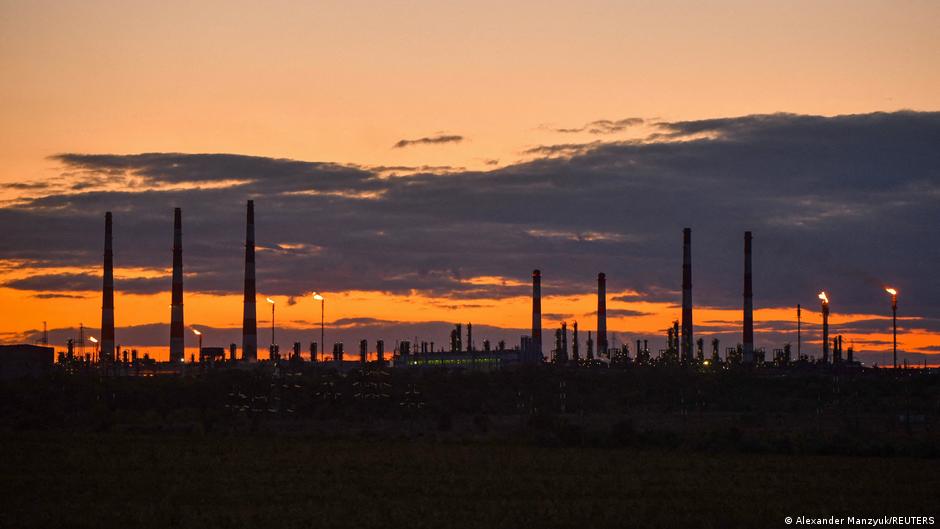
The timing of these amendments coincides with India’s recent doubling of export duties on diesel and aviation fuels, a move that could tighten global supply and influence import pricing dynamics. Domestically, the Russian refining industry faces significant challenges following drone strikes in spring and summer 2026 that disabled key refineries. By late May, the combined capacity offline accounted for over 83 million tons annually — roughly a quarter of Russia’s refining capabilities — critically impacting roughly 30% of gasoline and 25% of diesel production nationwide.
These disruptions have prompted the Russian government to intensify market regulation and seek alternative supply sources, including boosting production at operational plants, encouraging imports, and postponing refinery maintenance schedules.
Deputy Prime Minister Alexander Novak highlighted that the government’s multifaceted approach is already yielding stabilization benefits, noting the synergistic effects of export curbs, increased output, and import support.
Broader Economic Consequences
The recalibrated fuel dampener mechanism exemplifies a broader trend in Russia’s economic policy towards active market intervention to protect critical domestic sectors amid external shocks. By integrating import compensation and flexible sales accounting, the government aims to fortify energy security and buffer price volatility, which is vital for industries reliant on stable fuel supplies, such as agriculture and transportation.
This approach also reflects lessons from historical episodes of supply disruptions where swift regulatory adaptation was crucial to maintaining economic stability. The reliance on international price benchmarks and preferential import terms signals an adaptive strategy to navigate complex global energy markets while prioritizing domestic needs.
Overall, these legislative changes represent a structural recalibration of Russia’s fuel market governance with significant implications for the country’s energy sector resilience and economic stability going forward.