Russian Strikes on Ukrainian Infrastructure Highlight Escalating Regional Conflict
Recent missile and drone attacks on Kharkiv and Odessa regions underscore the growing economic and security challenges in Ukraine.
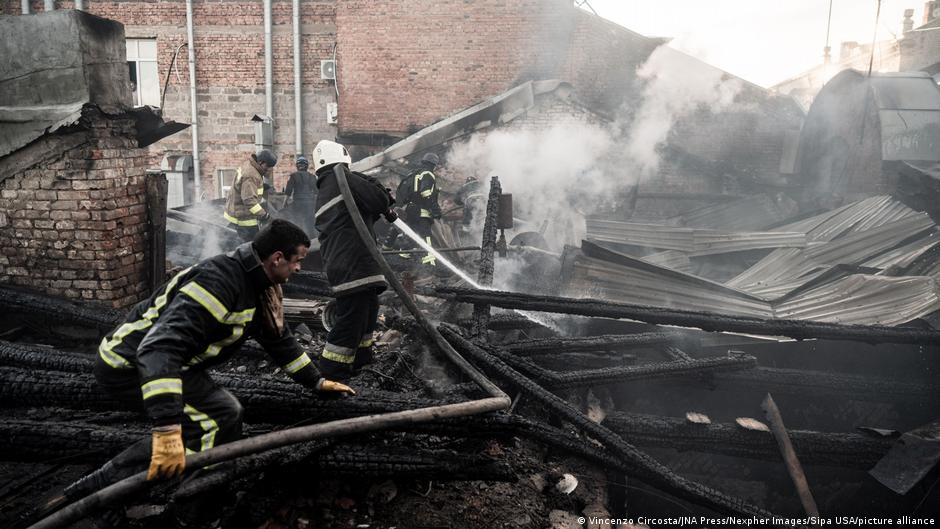
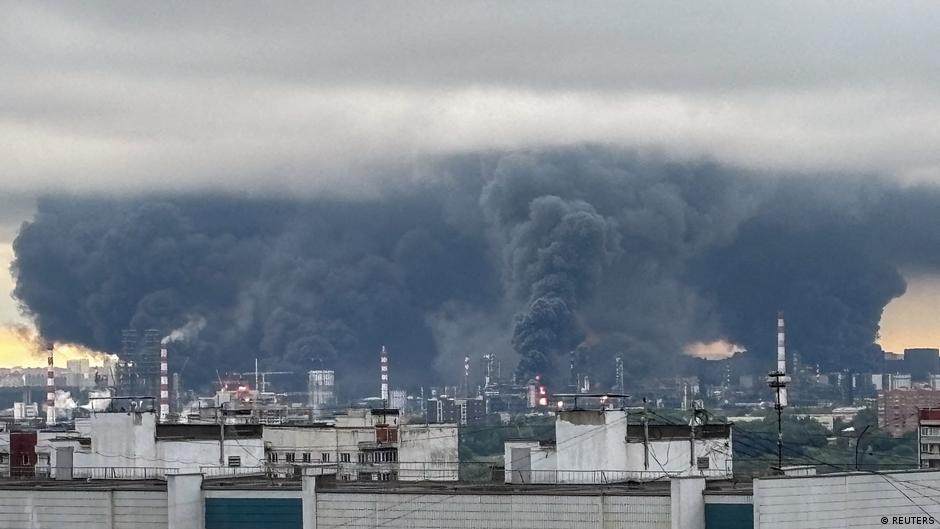
On June 21-22, Russian forces launched a series of attacks targeting critical infrastructure in Ukraine’s Kharkiv and Odessa regions, leading to significant damage and casualties. A drone strike hit a high-rise residential building in Kharkiv, igniting a fire on the 22nd floor facade, while a ballistic missile attack in Odessa caused fatalities and disrupted agricultural operations.
Implications for Ukraine's Economy and Security
The drone impact on the residential tower in Kharkiv’s Shevchenkivskyi district exemplifies the increasing use of unmanned aerial vehicles in urban warfare, causing both physical damage and civilian distress. Although no casualties have been officially reported from this incident, the psychological and infrastructural impact of such strikes cannot be understated.
“The strike hit the facade of the high-rise around the 22nd floor, leading to a fire that was quickly extinguished,” stated Kharkiv’s mayor, underscoring the rapid emergency response capabilities amidst ongoing conflict.
Meanwhile, in the Odessa region, the Russian military’s use of an Iskander ballistic missile targeted an agricultural enterprise, resulting in the death of one individual and injuries to three others. The attack destroyed a warehouse, damaged vehicles and fuel tanks, and ignited fires, effectively disrupting local agro-industrial operations critical to Ukraine’s economy.
These attacks come amid heightened tensions and ongoing conflict that have severely strained Ukraine’s infrastructure and economy. The destruction of agricultural facilities threatens food production and supply chains, compounding the broader humanitarian and economic crises.
Strategically, the strikes reflect Russia's intent to degrade Ukraine’s defensive and economic capacity by targeting civilian infrastructure and key industries. This tactic aligns with a broader historical pattern observed in conflicts where economic disruption is employed to weaken adversary resilience.
Broader Context: Military Aid and Defense Modernization
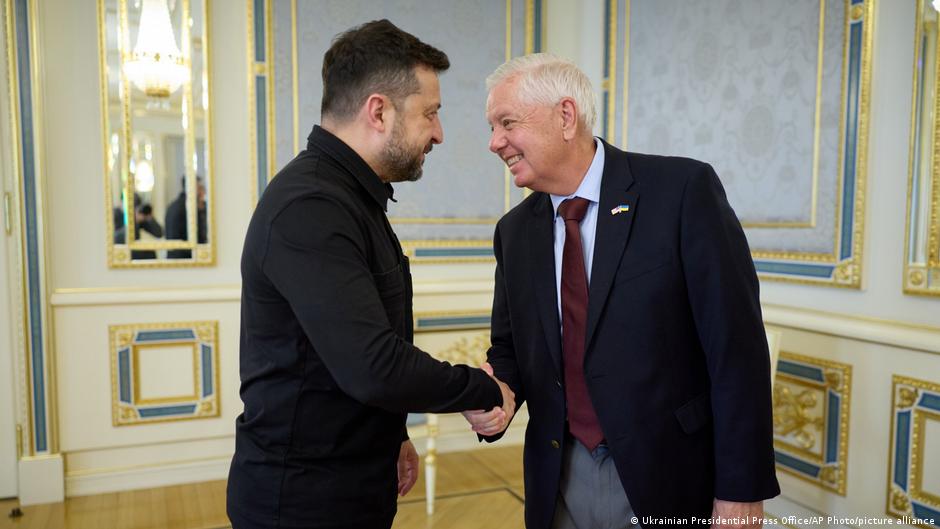
In response to persistent Russian aggression, Ukraine has sought to bolster its air defense capabilities. President Volodymyr Zelensky announced an agreement with Germany to procure 600 air defense missiles, signifying a substantial investment in strengthening Ukraine’s ability to intercept aerial threats such as drones and ballistic missiles.
This procurement is part of a broader trend of Western military support aimed at enhancing Ukraine’s defensive infrastructure amid an asymmetrical conflict environment. The acquisition of advanced missile systems not only serves immediate tactical defense needs but also represents a strategic move towards modernizing Ukraine’s military hardware.
Historically, the capacity to adapt and reinforce air defense systems during protracted conflicts has proven vital to mitigating damage to civilian infrastructure and preserving economic stability. The integration of these missile systems may thus play a crucial role in shaping the conflict’s trajectory and its economic repercussions.
Structural Economic Consequences and Future Outlook
The sustained targeting of civilian infrastructure and economic assets in Ukraine risks long-term structural damage to the country’s economy. Disruptions in agricultural production, transportation, and urban housing not only affect immediate livelihoods but also undermine the country’s economic recovery prospects post-conflict.
Moreover, the psychological toll on the population, including displacement and the destruction of residential buildings, can have cascading effects on labor markets and economic productivity. The crisis has precipitated an urgent need for reconstruction strategies that integrate resilience to ongoing security threats.
As the conflict continues, the balance between military escalation and economic sustainability remains delicate. The dual pressures of maintaining civilian infrastructure and advancing military defense capabilities will likely shape Ukraine’s economic landscape for years to come.