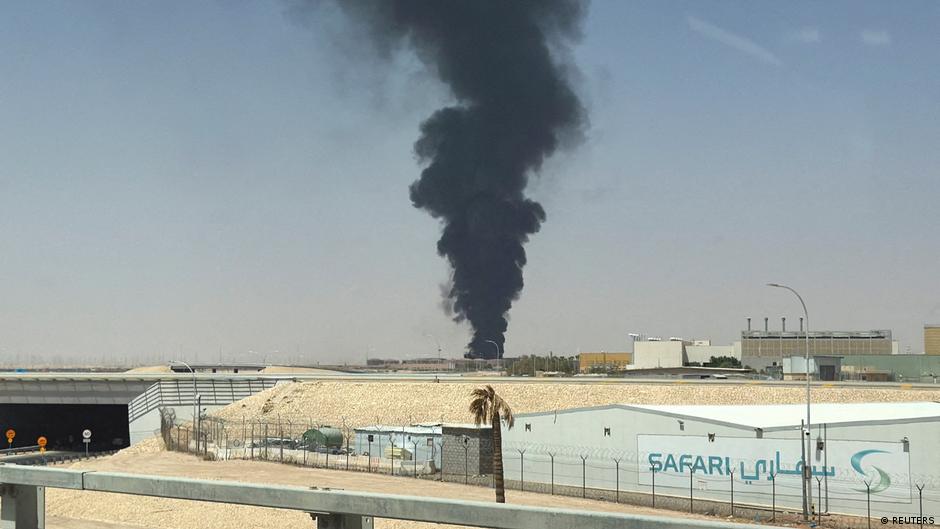
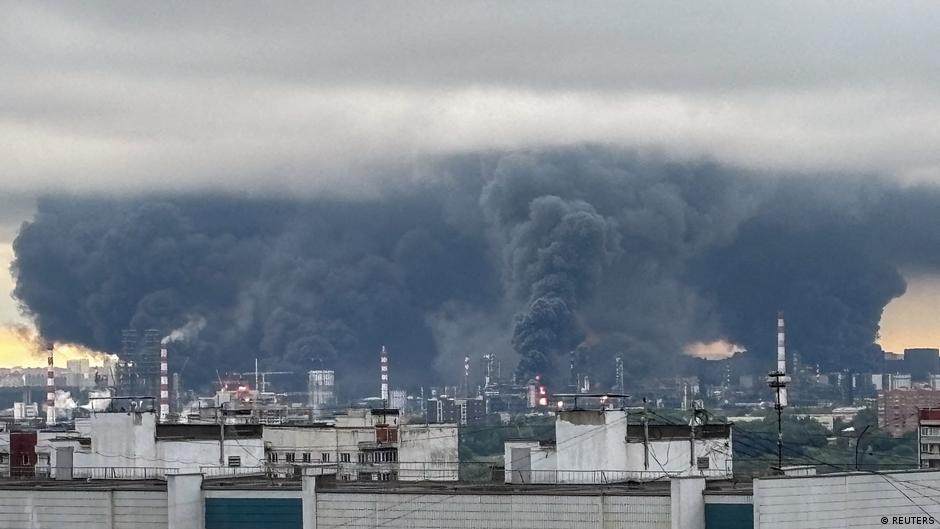
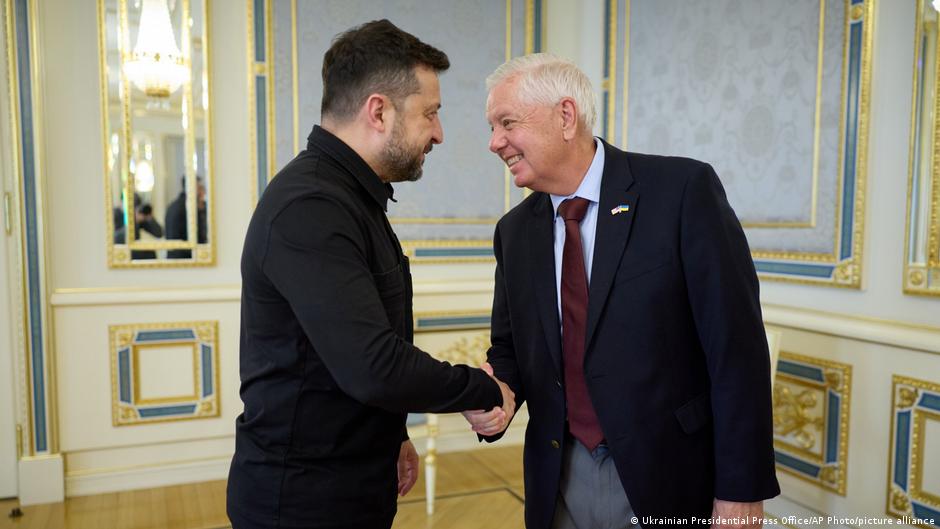
Drone Attacks in Russian Border Regions Result in Casualties and Heightened Security Measures
Recent UAV strikes in Kursk and Belgorod regions highlight escalating regional tensions and expose vulnerabilities in Russia's domestic security infrastructure.
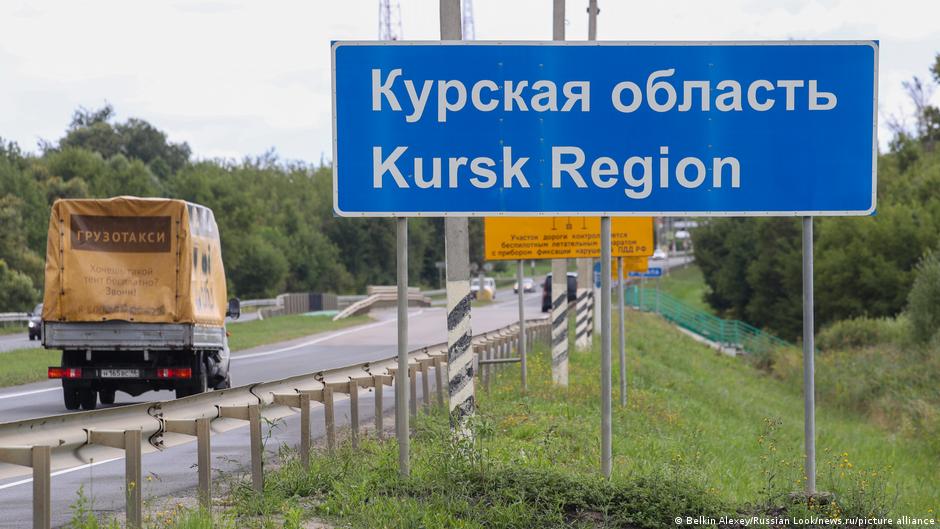
In early August, Russian border regions witnessed a series of drone attacks resulting in fatalities, injuries, and significant security responses. These incidents underscore the evolving nature of asymmetric warfare affecting Russia’s western periphery and raise questions about the broader economic and infrastructural implications for the affected areas.
Context and Immediate Impact
On the evening of August 5, a drone strike hit a private residence in the village of Kozyrevka, located in the Bolshesoldatsky district of the Kursk region. The attack resulted in one fatality and six injuries, as reported by regional authorities. Shortly thereafter, another attack in the Belgorod region's Shebekino district injured two people, including a volunteer fighter from the 'Orlan' battalion. One of the wounded sustained injuries from a drone strike on a vehicle and sought medical attention independently.
In response to these incursions, Moscow authorities reported the downing of three drones targeting the capital on the night of August 6. While no casualties or damages were reported, the event prompted heightening of security protocols. Additionally, in Yaroslavl region, concerns about potential drone threats led to the closure of a critical transportation artery leading from the city toward Moscow, with authorities advising residents to avoid travel along this route.
Economic and Structural Consequences
"The recent drone attacks reveal not only tactical vulnerabilities but also expose the economic fragility and infrastructural challenges in Russia’s border regions," experts note.
These attacks have immediate humanitarian costs, but the broader economic implications are equally significant. The damage to private property, medical costs for the injured, and disruptions to local logistics contribute to economic strain. More notably, the interdiction of transportation routes, such as in Yaroslavl, disrupts supply chains and mobility, which are vital for regional economies.
Historically, regions experiencing cross-border hostilities face capital flight, reduced investment, and labor market disruptions. The current events could accelerate such patterns in Kursk and Belgorod, undermining regional development efforts. Furthermore, the necessity to allocate resources toward enhanced security and emergency response diverts public funds from socio-economic programs.
At a strategic level, these incidents reflect a shift in conflict dynamics where unmanned aerial vehicles serve as low-cost, high-impact tools capable of penetrating domestic airspace and targeting civilian infrastructure. This new modality of conflict imposes direct costs on the economy and necessitates investment in counter-drone technologies and intelligence capabilities.
Historical Parallels and Broader Implications
Similar to previous conflicts where border regions become flashpoints for insurgent or proxy warfare, the Kursk and Belgorod regions are now on the frontline of an emerging form of warfare that blends conventional and hybrid tactics. The economic disruption caused by such tactics has precedent in history, often prolonging instability and delaying post-conflict recovery.
The escalation of drone strikes may lead to further militarization of the border regions, with attendant social and economic consequences. Increased military presence can strain local economies, alter labor demographics, and impact civilian morale. Additionally, restricted transportation and heightened security measures can hinder regional trade and integration with broader markets.
These developments highlight the importance of analyzing the intersection of security and economics in conflict-affected zones. Sustainable responses require not only military countermeasures but also robust economic policies that support resilience and reconstruction in vulnerable communities.
As Russia contends with these evolving challenges, the economic health of its border regions will be a critical barometer of the wider impact of ongoing geopolitical tensions.