Russia Extends Sale of Lower-Grade Fuels Until 2027 Amid Energy Crisis
The Russian government permits production and sale of Euro-2 to Euro-4 fuels until July 2027 as a temporary crisis measure.
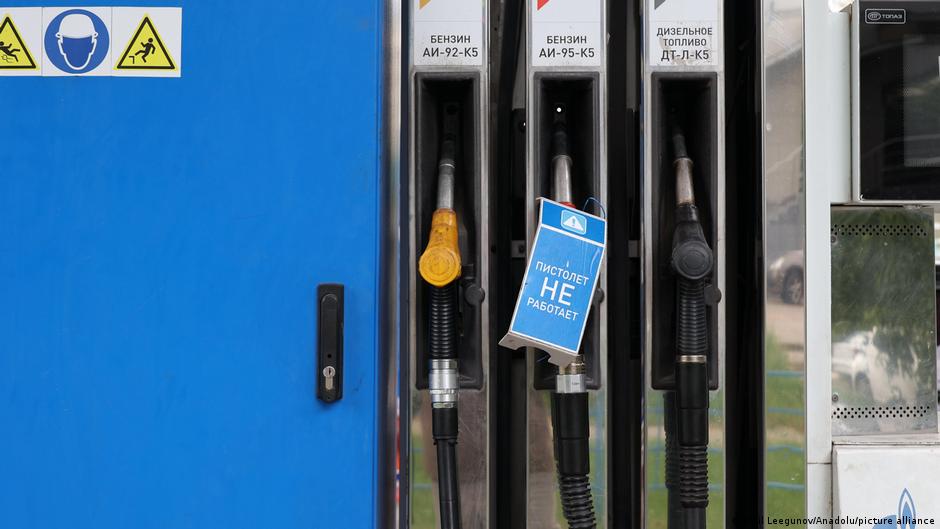
The Russian government has authorized the continued production and sale of lower environmental standard fuels, specifically Euro-2, Euro-3, and Euro-4 gasoline classes, until July 1, 2027. This decision, announced by the Ministry of Energy, marks a significant policy reversal aimed at addressing the ongoing fuel supply crisis affecting the country.
Previously, Russia had set stricter fuel standards, including a mandate to phase out lower-grade fuels by the end of 2026. However, the new decree also cancels the earlier allowance for Euro-5 fuel containing elevated sulfur levels, signaling a strategic pivot to prioritize fuel availability over environmental concerns.
Context and Causes of the Fuel Crisis
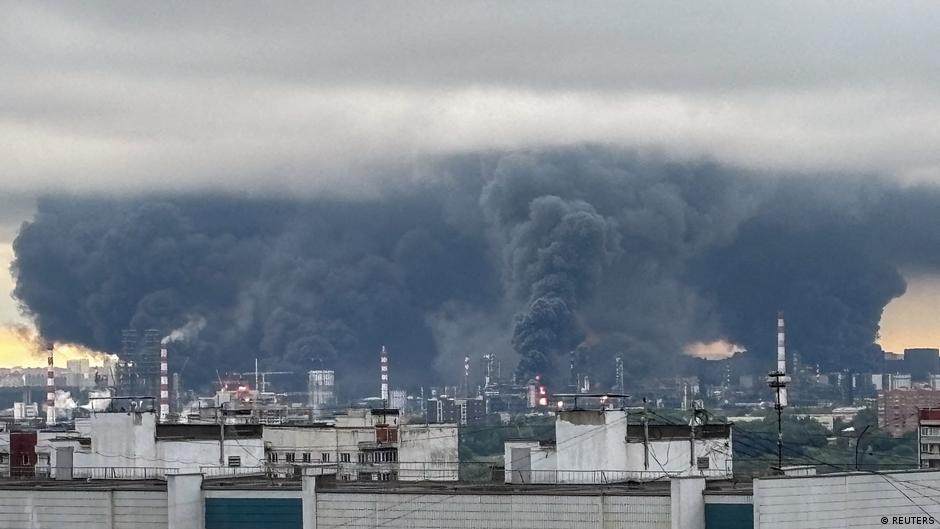
The prolonged fuel shortage stems from systematic damages inflicted by Ukrainian armed forces on key Russian oil refining and energy infrastructure. Notably, the Moscow-based Kapotnya refinery, responsible for about 40% of the capital’s fuel supply, suffered two significant strikes in a single week in late May, rendering it inoperative until late 2026 or early 2027.
"The government’s decision is a temporary, crisis-driven measure designed to balance fuel quality requirements with the critical need to maintain supply availability for consumers," the Ministry of Energy emphasized.
Data from Reuters indicates that Russia's gasoline production dropped by approximately 25% in June 2026 compared to the same month in 2025, producing 85,000 tons per day against a summer consumption demand of 110,000 tons daily. This shortfall has prompted official fuel sale restrictions across more than 40 Russian regions.
Economic and Structural Implications
By permitting lower-grade fuels, which require less complex refining, the government aims to unlock previously underutilized processing capacities incapable of producing higher-standard products. This approach simplifies production processes and potentially increases gasoline output by several hundred thousand tons per month according to Dmitry Prokofiev, Communications Director at NEFT Research.
However, this strategy is a compromise that may not fully offset the volume deficits caused by damaged infrastructure. Furthermore, the use of low environmental standard fuels raises concerns about vehicle safety and emissions, particularly for modern automobiles designed to operate on cleaner fuel grades.
Historically, such regressions in fuel standards are rare and typically reflect severe supply shocks or geopolitical pressures. Russia's current approach underscores the intersection of military conflict, energy supply security, and environmental policy, illustrating how structural vulnerabilities in energy infrastructure can have cascading economic consequences.
Looking forward, the extended use of legacy fuels may impact long-term environmental goals, vehicle fleet modernization, and public health, potentially necessitating future corrective policies once the crisis abates.