Ukraine's 40-Day Campaign Targets Over 100 Russian Strategic Sites to Weaken Military Potential
Ukraine’s Security Service reports extensive strikes on Russian military and energy infrastructure in a sustained effort to pressure Russia towards peace.
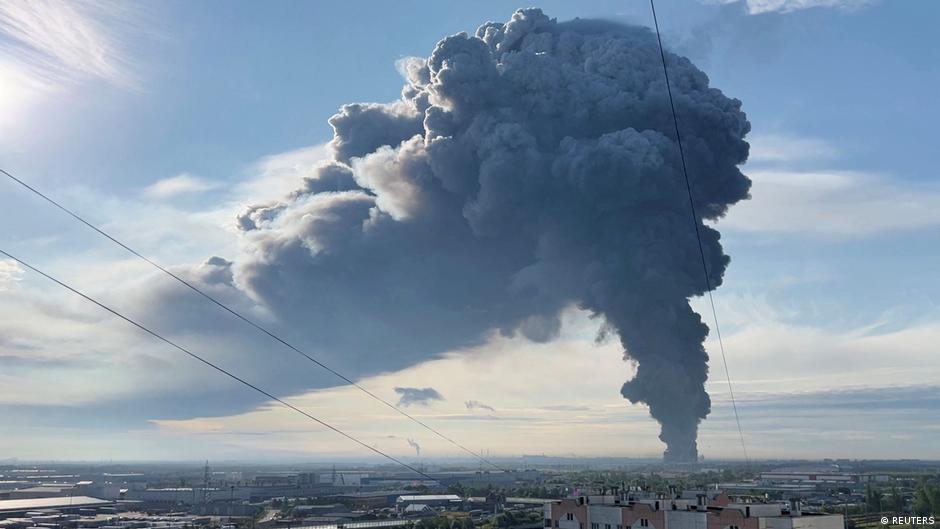
In a detailed report released on August 4, Ukraine’s Security Service (SBU) summarized the results of a 40-day operational campaign aimed at pressuring Russia to end its aggression. The operation, authorized by President Volodymyr Zelensky on June 25, targeted over 100 strategic sites across Russian territory and occupied Ukrainian regions, as well as more than 21,000 frontline military assets.
Strategic Strikes on Military and Energy Infrastructure
The SBU emphasized that this multifaceted campaign struck key components of Russia’s military-industrial complex, including aviation bases, air defense systems, command centers, naval vessels, and the so-called “shadow fleet” tankers. Additionally, the operation targeted critical nodes in Russia’s transportation and military logistics networks.
“The 40-day campaign was aimed at simultaneously weakening the core elements of the Russian military machine,” the SBU stated.
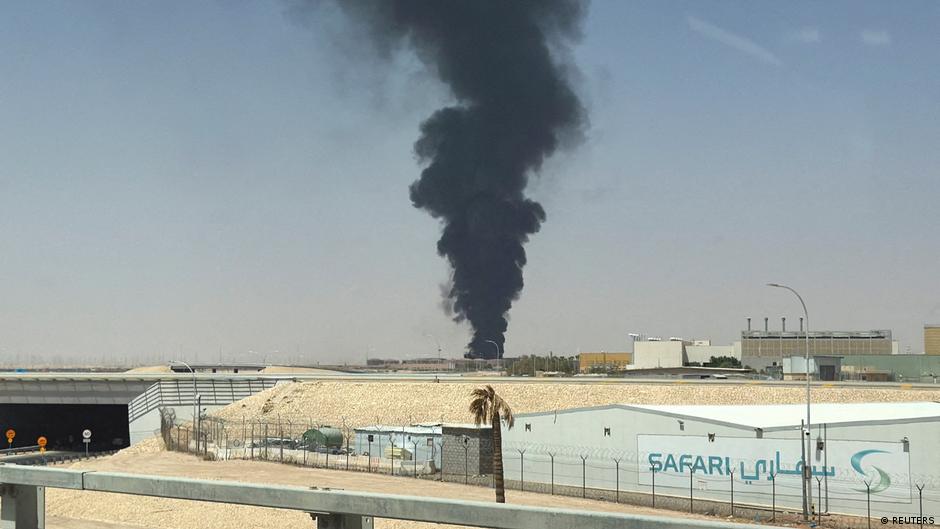
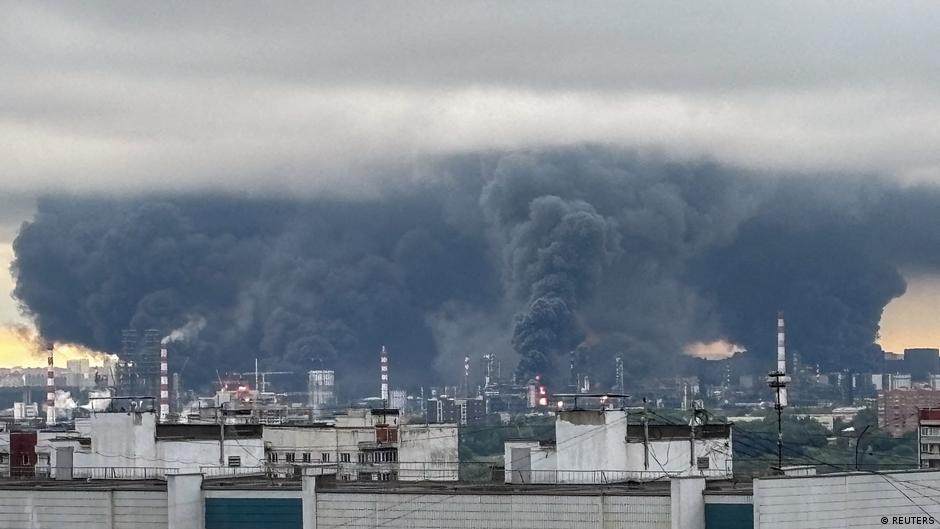
One of the campaign’s principal focuses was Russia’s fuel and energy infrastructure. Ukrainian forces attacked 14 oil refineries, numerous oil depots, storage facilities, pumping stations, terminals, and even an offshore oil platform. Several oil tankers, including those under international sanctions such as Blue, Louise 1, Banda, and Avero, were also targeted, alongside two sanctioned cargo vessels.
According to the SBU, these strikes resulted in the destruction of over 21,000 units of military equipment, weapons systems, and military infrastructure, with nearly 5,000 Russian military personnel casualties.
Economic and Strategic Implications for Russia
The sustained degradation of Russia’s fuel and military logistics infrastructure is likely to have far-reaching consequences beyond the immediate battlefield. By systematically targeting facilities crucial for energy processing and distribution, Ukraine aims to exacerbate Russia’s logistical challenges and undermine its capacity to sustain prolonged military operations.
Historically, the disruption of energy supplies has been a significant factor in diminishing military effectiveness during extended conflicts. The Ukrainian operation reflects a modern application of strategic economic warfare, leveraging precise strikes to impose operational friction on the adversary’s war effort.
Moreover, the dismantling of naval and air defense assets, command centers, and the “shadow fleet” suggests a deliberate approach to weaken Russia’s integrated military command and control capabilities. This could degrade Russia’s ability to project power both regionally and globally.
Continuing Pressure and Future Operations
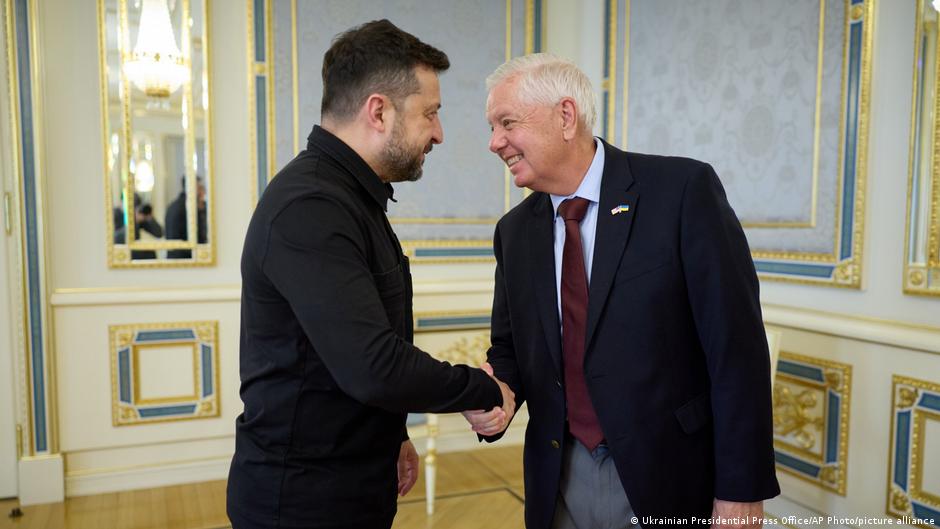
President Zelensky has endorsed the continuation and expansion of these pressure operations, coordinating closely with SBU leadership. The ongoing campaign aims to sustain and amplify the weakening of Russia’s military-economic potential.
The operation’s explicit goal is to compel Russia to cease hostilities and engage in peace negotiations by eroding its capacity and will to continue the war. This strategic approach underscores the growing sophistication of Ukraine’s defensive and counteroffensive measures, blending military action with economic disruption.