Russian Strikes Target Ukrainian Port, Energy Infrastructure, and Urban Areas Amid Ongoing Conflict
Recent Russian missile and drone attacks have hit key Ukrainian infrastructure in Izmail, Dnipropetrovsk, and Kharkiv regions, highlighting escalating strategic targeting.
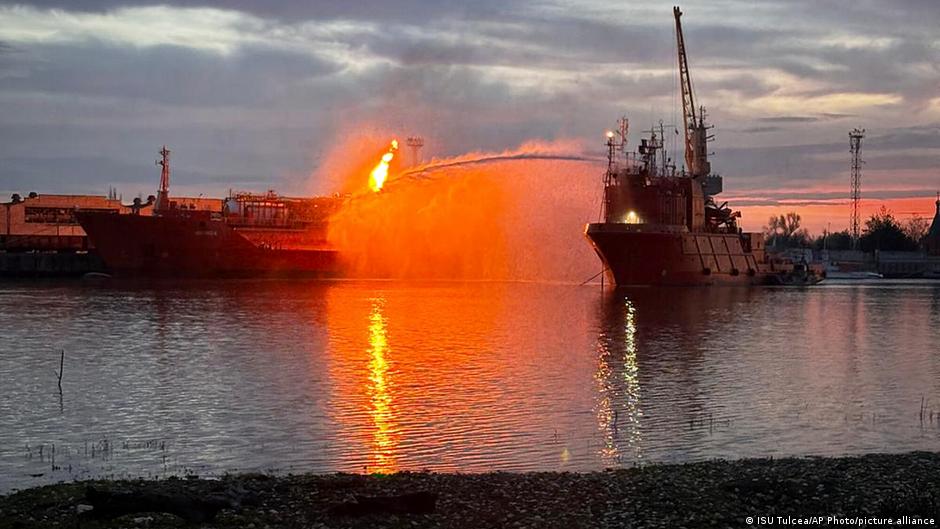
In the ongoing conflict between Russia and Ukraine, recent Russian military operations have struck multiple Ukrainian regions, focusing on critical infrastructure. On the night of May 19, the Russian Armed Forces launched an air attack on the Izmail district in southern Odessa Oblast. This assault resulted in damage to port infrastructure within the city of Izmail, a key node in Ukraine's Black Sea trade and logistics network.
Local emergency services promptly addressed the aftermath, and no casualties or major destruction were reported. According to the Izmail district administration, nearly all aerial attack munitions were intercepted and destroyed over open terrain beyond populated areas, limiting the impact on civilian zones.
Targeted Strikes on Energy Infrastructure
Simultaneously, Russia intensified strikes on Ukraine's energy sector. The state-owned Naftogaz group's facilities in the Dnipropetrovsk region were targeted with a series of drone attacks on May 17 and 18, culminating in a ballistic missile strike involving three projectiles on the evening of May 18. Although damage and destruction were confirmed, no personnel injuries were reported. This assault mirrors a similar Russian campaign targeting Naftogaz infrastructure in the Poltava region the previous week.
"The sustained attacks on critical energy infrastructure underscore the strategic intent to disrupt Ukraine’s energy supply and economic stability," noted experts analyzing the conflict's economic dimensions.
These strikes are significant given Ukraine's reliance on energy production and distribution networks as pillars of its economic resilience. Disruptions in these systems can have cascading effects on industrial output and civilian energy access, thereby amplifying the conflict's humanitarian and economic toll.
Urban Drone Attacks in Kharkiv
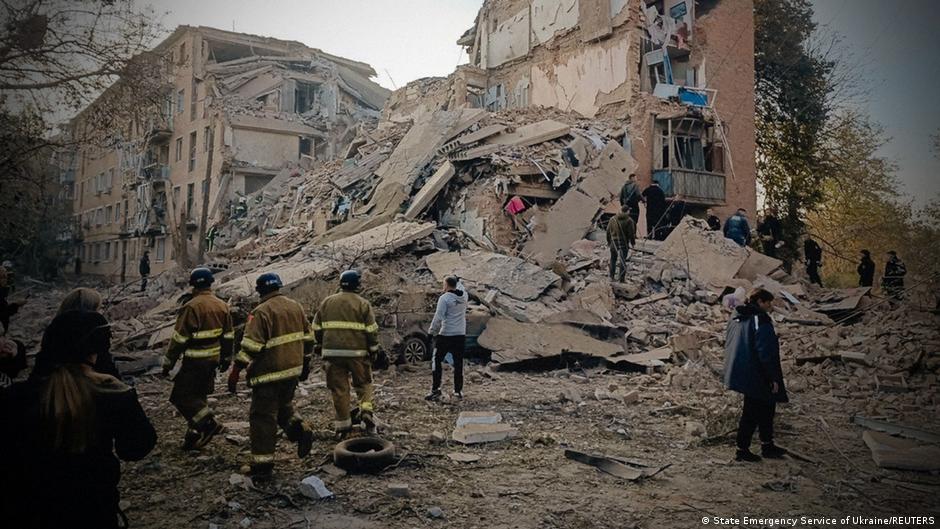
In the northeastern city of Kharkiv, mayor Igor Terekhov reported drone assaults on the Novobavarsky and Kholodnogorsky districts. The attacks damaged civilian infrastructure and ignited fires, including in private residences. Emergency responders rescued two individuals from one damaged home, while search and rescue operations continue for a possible trapped resident.
The ongoing hostilities in urban centers raise concerns about civilian safety and the durability of public infrastructure amidst escalating warfare tactics involving unmanned aerial systems.
Wider Implications and Strategic Context
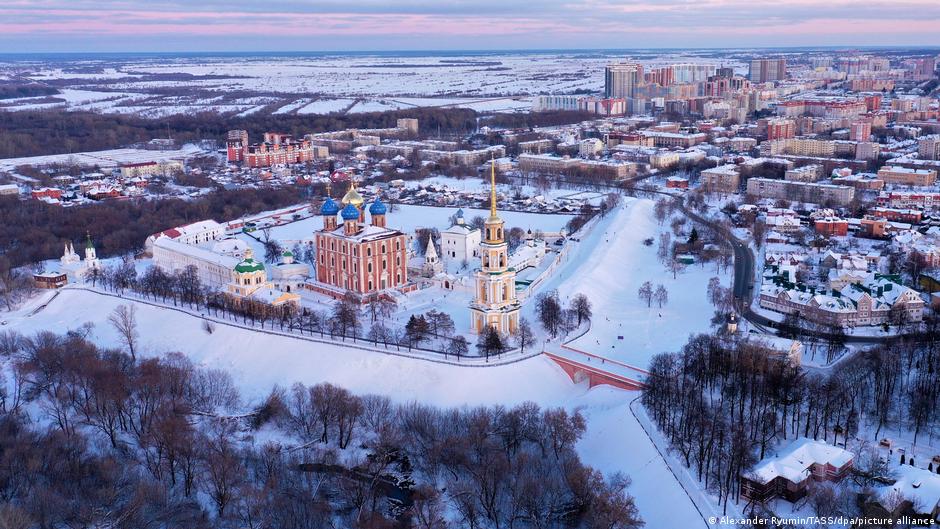
According to previous reports, Ukraine has expanded its drone strike capabilities into Russian territory, reaching major cities in the Ural region. Ukrainian unmanned aerial vehicles can now operate in approximately a quarter of Russia’s landmass, encompassing over 70 percent of its population. This reciprocal escalation indicates a broadening geographical scope of the conflict, with both sides leveraging drone technology to strike deeper into each other’s territories.
From an economic perspective, the targeting of transport and energy infrastructure reflects a strategic focus on undermining Ukraine’s logistical and industrial capabilities. The port of Izmail serves as a crucial logistics hub, facilitating grain exports and other trade vital to Ukraine’s economy and global food supply chains. Damage to such infrastructure not only hinders wartime supply routes but also threatens long-term economic recovery prospects.
Similarly, sustained attacks on Naftogaz facilities disrupt energy production and distribution, exacerbating existing challenges in maintaining power and heating for civilian populations and industry. The broader economic impact may include increased energy costs, supply shortages, and diminished investor confidence in Ukraine’s economic stability during and after the conflict.
In summary, the recent wave of Russian strikes on Ukrainian port, energy, and urban infrastructure highlights an intensification of strategic targeting aimed at crippling Ukraine's economic backbone. The evolving use of aerial and drone technologies further complicates the conflict landscape, introducing new dimensions of risk to civilian life and economic resilience.