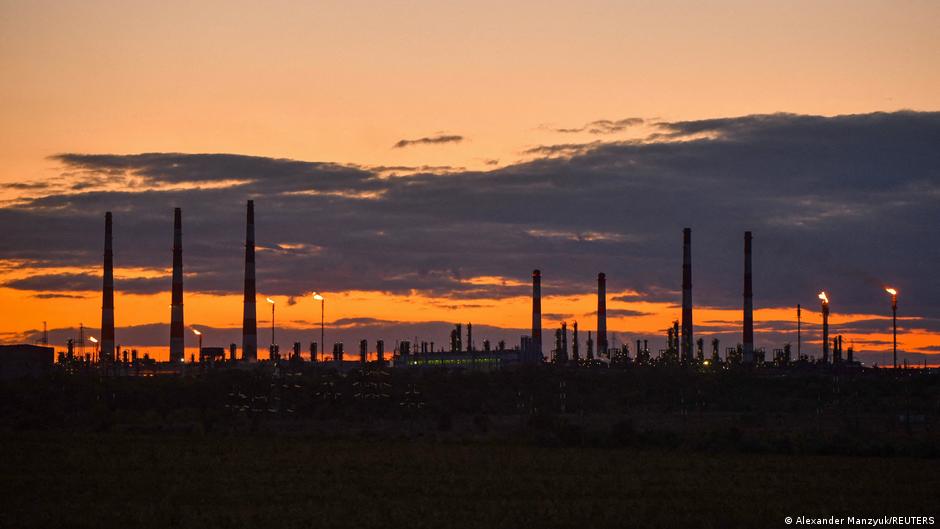
Russia’s July Oil Revenues May Surge 60% Amid Rising Global Prices Despite Sanctions
Russia’s oil and gas income in July could significantly exceed last year’s level, reflecting higher prices and tax revenues despite ongoing EU sanctions.
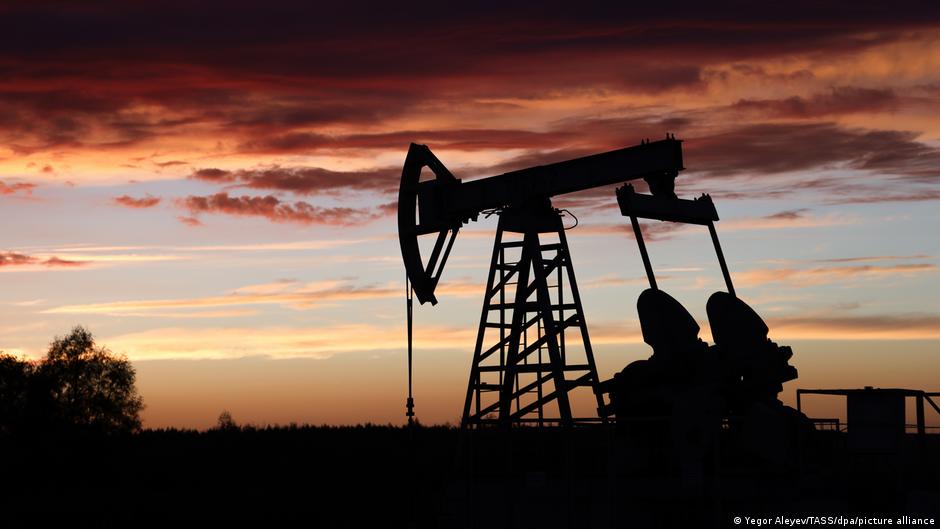
Russia’s earnings from oil and gas sales in July 2026 may surpass those of July 2025 by as much as 60%, driven primarily by rising global oil prices and increased tax revenues from oil extraction, according to calculations published on July 23 by Reuters.
Contextualizing Russia’s Oil Revenue Dynamics
As the world’s third-largest oil producer and exporter, following the United States and Saudi Arabia, Russia’s economy remains heavily dependent on fossil fuel exports. Oil and gas revenues comprise about one-fifth of total federal budget receipts, underscoring the sector’s critical role in financing government expenditures.
Despite geopolitical tensions and the imposition of the EU’s 21st sanctions package on July 23, which aims to curtail Russia’s oil export proceeds to limit funding for its military operations in Ukraine, the anticipated revenue surge in July highlights the complex interplay between market forces and political constraints.
According to Reuters’ analysis, the increase in July’s proceeds is attributed not only to the elevated global oil prices but also to a significant rise in profits tax receipts from oil extraction activities during the second quarter of 2026. This tax inflow reflects sustained production levels and profitability in the upstream sector despite external pressures.
“The growth in Russia’s oil and gas revenues in July signals resilience in its hydrocarbon sector amid tightening sanctions, driven largely by favorable market pricing and fiscal adjustments.”
However, looking at broader trends, Russia’s cumulative oil and gas revenues from January through July 2026 are projected to decline by approximately 11% compared to the same period last year, amounting to around 4.9 trillion rubles. This suggests that while July shows a remarkable uptick, overall performance this year remains subdued relative to 2025.
Last year, Russia’s federal budget income from oil and gas contracted by 24%, totaling 8.48 trillion rubles—the lowest level since 2020. The drop reflected a combination of reduced export volumes, lower global prices at certain intervals, and the early impacts of Western sanctions.
Structural Implications and Economic Consequences
The recent surge in July revenues presents a paradoxical development within the broader context of Western sanctions designed to choke off funding sources for the Russian government’s military campaigns. While sanctions have constrained Russia’s access to certain markets and financial instruments, the country’s oil sector has demonstrated notable adaptability, leveraging price fluctuations and tax policies to mitigate revenue losses.
This dynamic raises important questions about the long-term efficacy of sanctions and the structural vulnerabilities of Russia’s economic model. The heavy reliance on hydrocarbon exports for fiscal stability exposes the Russian state to global commodity cycles, making it susceptible to price volatility but also capable of capitalizing on favorable market conditions.
Historically, Russia’s economy has oscillated with global oil prices — booms fueling budget surpluses and expansions, while busts precipitate fiscal tightening and economic contractions. The current environment, marked by geopolitical isolation and sanctions, introduces additional layers of complexity, compelling a reassessment of Russia’s economic resilience and strategic fiscal management.
Going forward, the trajectory of Russian oil revenues will hinge on multiple factors, including global demand trends, potential shifts in sanction policies, and the Kremlin’s ability to maintain production and export channels. For analysts and policymakers, understanding these interdependencies is crucial for forecasting Russia’s economic stability and the broader geopolitical landscape in Eurasia.
Official data from the Russian Ministry of Finance regarding July’s oil and gas revenue figures are expected to be published on August 5, which will provide further clarity on these preliminary assessments.