Russia's Oil Product Output Drops Nearly 22% in June Amid Ongoing Conflict Disruptions
June saw a sharp decline in Russia's oil product production index, reflecting deep structural challenges exacerbated by wartime damage to refining capacity.
In June 2026, Russia experienced a dramatic contraction in its oil product production, with the output index plunging by almost 22% compared to the same month last year. This data, released by the Russian Federal State Statistics Service (Rosstat), highlights persistent strains in the country's energy sector amid ongoing conflict-related disruptions.
Understanding the Production Index Decline
The oil product production index, a component of the broader industrial production index, stood 21.8% lower in June 2026 compared to June 2025. This marks a significant acceleration in the rate of decline from May 2026, where the year-on-year contraction was 13.5%. Rosstat calculates these indices by measuring the value of a representative basket of goods—quantities produced multiplied by constant prices from the 2023 base year—allowing for inflation-adjusted comparisons.
"Monthly production indices are based on the ratio of the value of a basket of representative goods at constant prices from the base period," explains economic analysts, underscoring the focus on real production trends rather than nominal price effects.
Notably, Russia’s government has withheld publishing data on oil product production in physical volumes. The absence of this information complicates detailed assessments of output but the index decline suggests both quantity and value have been significantly impacted.
Price Trends and Market Stability
Despite the production downturn, fuel prices in Russia have continued to rise, albeit at a slightly slower pace. For the week ending July 20, 2026, gasoline prices increased by 1.7%, down from a 2.3% rise the previous week. Diesel fuel prices rose 1.9%, compared to a 3.2% increase in the prior reporting period.
Authorities claim that the fuel market has "partially stabilized," though these price increases suggest continued supply pressures. Rising prices amid falling production typically point to tightening market conditions, which can have ripple effects across the economy, including transportation costs and inflationary pressures.
Conflict-Driven Structural Challenges
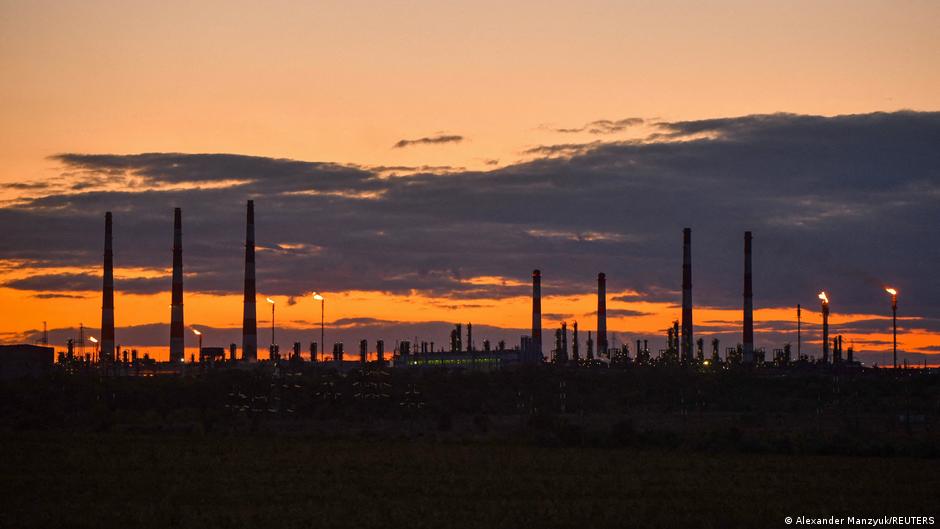
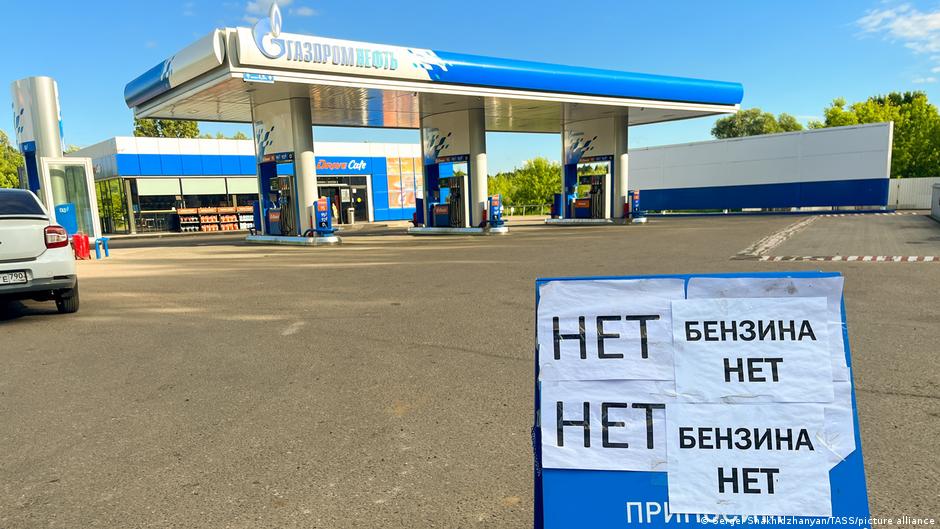
The dramatic drop in oil product output is closely linked to intensified Ukrainian military strikes targeting Russian oil infrastructure. Since the escalation of the war, Ukrainian drone attacks have damaged or disabled approximately 25% of Russia’s oil refining capacity. Major oil storage facilities and refineries have been hit, triggering fuel shortages and regional sales restrictions within Russia.
This disruption marks the most severe fuel deficit Russia has faced since the full-scale invasion began. Historical parallels can be drawn to previous wartime economies where energy production became a critical vulnerability, often dictating military and civilian resilience.
The current context mirrors challenges faced by belligerents in past conflicts, where sustained attacks on industrial infrastructure precipitated sharp economic contractions and necessitated rationing and market adjustments.
Long-Term Economic Implications
The structural damage inflicted on Russia’s oil product supply chain reverberates beyond immediate fuel shortages. The energy sector constitutes a critical export revenue source and underpins domestic transportation and industry. Prolonged production declines threaten to erode industrial capacity, reduce export earnings, and heighten inflationary pressures.
Moreover, the reliance on a limited number of refineries concentrated in vulnerable locations has exposed systemic risks. Unless Russia can rapidly repair damaged facilities or diversify its refining infrastructure, the oil product deficit may persist, exacerbating bottlenecks and economic instability.
In sum, the June 2026 production data underscores the profound structural economic consequences of the ongoing conflict on Russia’s fuel sector. As fighting continues, the interplay between military strategy and economic resilience will remain a pivotal factor shaping Russia’s economic trajectory.